
How to Choose Cummins Engine for Power Generation
Picking a generator engine by horsepower number alone causes more problems than most buyers realize. A contractor sees “1000 kW” on a spec sheet and figures bigger is safer, or a facility manager rounds up just to be cautious. In practice this rarely works out, the engine ends up underloaded and wears unevenly over time, or worse, someone pushes it past what it was actually rated for and it fails years ahead of schedule.
The real question isn’t how much power an engine can produce on paper. It’s whether that output matches how the equipment will actually run day to day, under the load conditions specific to your site.
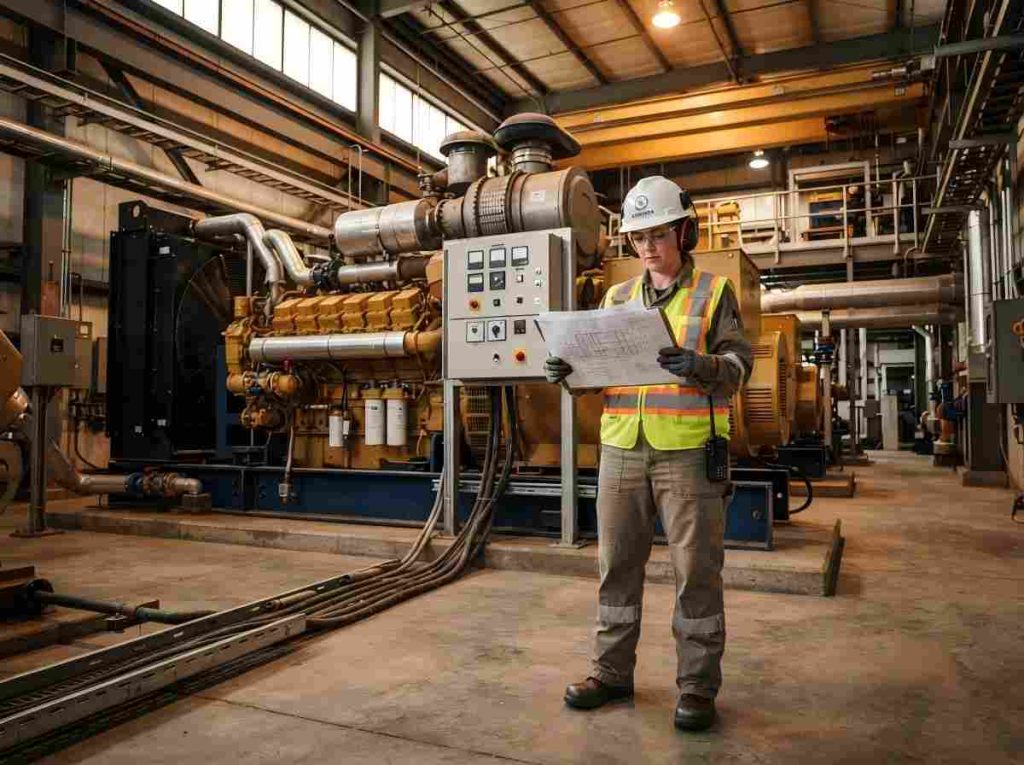
Step 1: Identify Your Load Type: Standby, Prime, or Base Power
Before comparing engine models, figure out what duty cycle you’re actually buying for. The generator industry has standard terms for this, laid out in ISO 8528, and getting it right early saves a lot of guesswork later.
Standby power covers emergency backup only — hospitals, data centers, or telecom sites that need power during a grid outage but otherwise stay off. These ratings allow the highest short-term output because the engine isn’t expected to run for extended stretches.
Prime power is for sites without a reliable grid connection, where the generator becomes the main power source with a variable load. Construction sites, remote mining operations, and off-grid facilities typically fall here. Prime-rated engines are built to handle longer running hours, but at a somewhat lower peak output than standby ratings.
Base or continuous power applies to installations running at a constant, unchanging load 24 hours a day, with little tolerance for overload. Utility-scale or industrial cogeneration setups often use this rating.
Getting this classification wrong is the single biggest reason generator sets underperform or fail prematurely. An engine sized correctly for standby duty will not hold up under continuous prime-rated operation, and vice versa, the internal components simply aren’t built for the same thermal and mechanical stress.
Step 2: Calculate the Power Output You Actually Need
Once you’ve settled on the duty cycle, the next step is working out the actual numbers. Start with a full inventory of what the generator needs to support — motors, HVAC systems, pumps, lighting, control panels, anything pulling current. Add up the running load first, then account for starting loads separately, since a motor’s inrush current on startup can run several times higher than what it draws once it’s up and running.
One detail that trips up a lot of buyers: the difference between kW and kVA. kW measures real power, while kVA accounts for power factor, the ratio between real and apparent power in an AC system. Most industrial loads run at a power factor around 0.8, so a generator rated at 1000 kVA typically delivers closer to 800 kW of usable output. Skipping this conversion is a common reason people end up with an engine that looks oversized on the spec sheet but still struggles under real load.
Once the numbers are worked out, you’ll have a target power range and that range points you toward a specific engine series rather than a single model.
Step 3: Match Your Load to the Right Cummins Engine Series
Cummins produces several engine families for generator-drive applications, and each one is built around a particular power band. Below are some of the more widely used options across small commercial, industrial, and heavy-duty installations.
| Engine Series | Typical Power Range | Common Applications |
| NTA855-G | Roughly 250–400 kW | Commercial buildings, hospitals, mid-size backup systems |
| KTA19-G | Roughly 400–600 kW | Manufacturing plants, larger commercial facilities |
| KTA38-G | Roughly 700–1,100 kW | Heavy industrial sites, large-scale standby power |
| KTA50-G | Roughly 1,200–1,500+ kW | Mining operations, data centers, continuous-duty power plants |
These ranges also shift depending on the sub-model — G2, G4, G9, and so on — plus the rated speed, since 50 Hz and 60 Hz configurations don’t put out identical numbers even within the same series. The series name alone won’t tell you enough; you’ll need the spec sheet for that exact sub-model before finalizing anything. Use the table above as a starting point to see roughly where your project lands, then work out the specifics with a supplier from there.
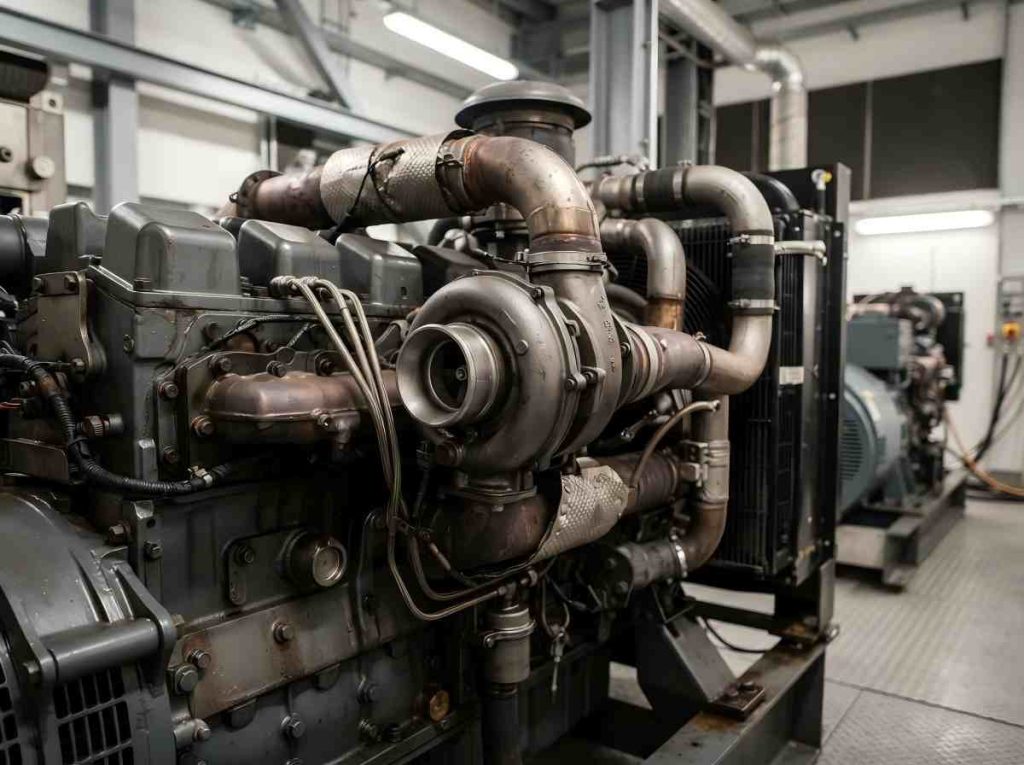
Step 4: Check the Details That Affect Final Engine Selection
Power output gets most of the attention, but a few other details can influence which engine actually makes sense for your project.
Fuel system type matters more than buyers often expect. Older Cummins generator engines use the mechanical PT fuel system, while newer models run on electronically controlled common rail systems. The PT system is simpler to service in the field and has a long track record in remote or harsh environments, while common rail systems generally offer better fuel efficiency and tighter emissions control. Which one fits better depends on where the generator will operate and who’s maintaining it.
Site conditions reduce an engine’s usable output. A generator rated for sea-level operation at 25°C won’t deliver the same power at high altitude or in extreme heat, so any site with unusual environmental conditions needs derating figures checked against the specific engine’s performance curve.
Parts and service availability is easy to overlook during the buying process but becomes critical the moment something needs repair. Engines built around widely stocked components and supported by a supplier with genuine parts on hand keep downtime short. This is worth asking about before purchase, not after a breakdown.
Frequently Asked Questions
What’s the difference between standby and prime power ratings?
Standby is strictly for emergency backup, limited running hours per year, and no overload allowance beyond the rated output. Prime power is meant to carry the load as your main source day in and day out, handling a variable load over much longer stretches of operating time.
How do I calculate the generator engine size I need?
Start by adding up the running loads across everything connected, don’t forget starting loads for motors, then convert the total to kVA using your system’s power factor. Whatever number you land on is roughly the range you’ll be matching against an engine’s rated output.
Can I use a construction-rated Cummins engine for power generation?
Not really, the two are tuned for different jobs. Generator-drive engines hold a fixed speed to keep frequency stable, while construction engines are built to handle variable speed and load. One can’t just be swapped in for the other.
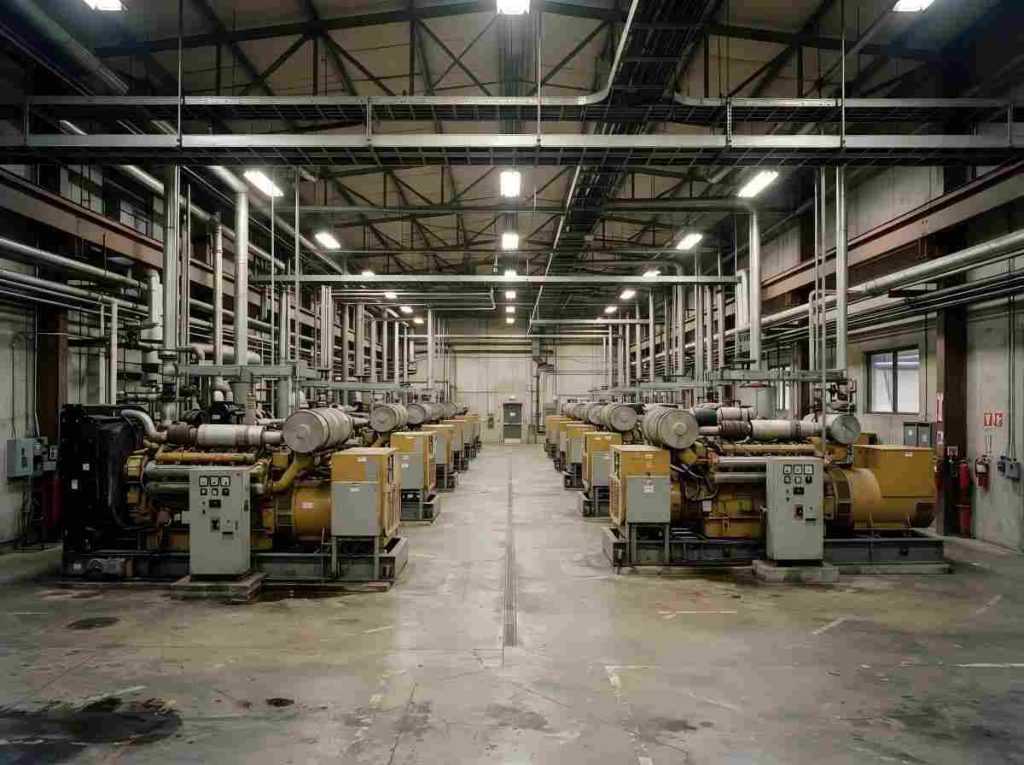
Choose the Right Cummins Engine for Power Generation
Choosing the right Cummins engine for power generation really comes down to three steps: confirm your duty cycle, calculate your actual load with the kW/kVA conversion in mind, and match that number against an engine series built for the job. Skipping any one of these steps is usually what leads to oversized budgets or undersized performance.
Longshine supplies a full range of genuine Cummins generator-drive engines along with the spare parts and technical support to keep them running. If you’re working through a sizing decision or need help matching an engine to your project specs, reach out to our team for guidance.