
What to Do When a Cummins Engine Oil Pump Fails? A Complete Guide
In heavy-duty trucks, construction machinery, and diesel generator sets, the engine is regarded as the heart of the equipment, while the Cummins Engine Oil Pump acts as the crucial “circulatory system” keeping this heart beating. Once an oil pump fails or provides insufficient oil pressure, it leads to severe dry friction and overheating of internal metal components, ultimately resulting in irreversible, catastrophic damage such as cylinder scuffing or bearing seizure.
This article provides a comprehensive overview of the Cummins oil pump’s working principle, early fault indicators, mainstream engine model compatibility, and how to balance quality and cost when sourcing replacements to keep your equipment running efficiently.
Cummins Engine Oil Pump Core Functions and Working Principle
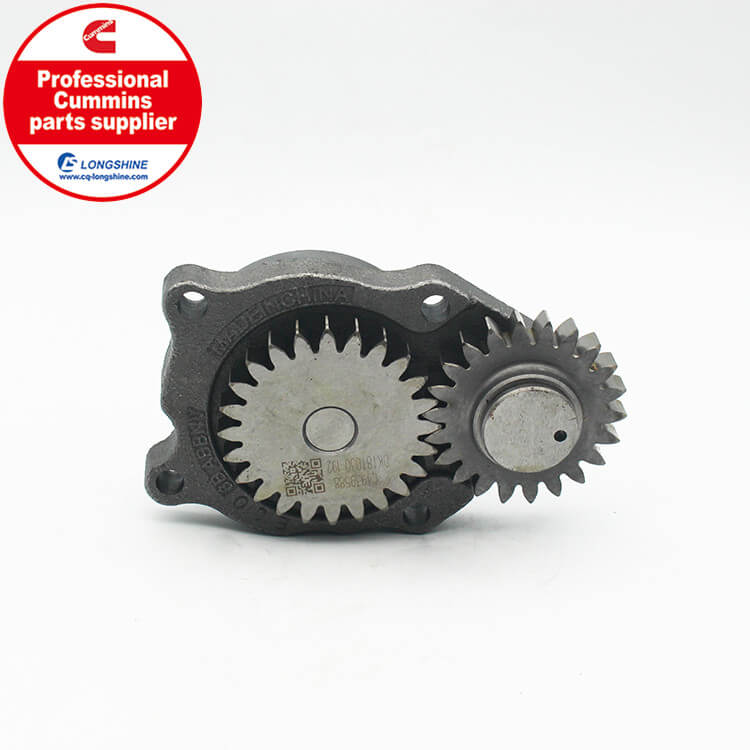
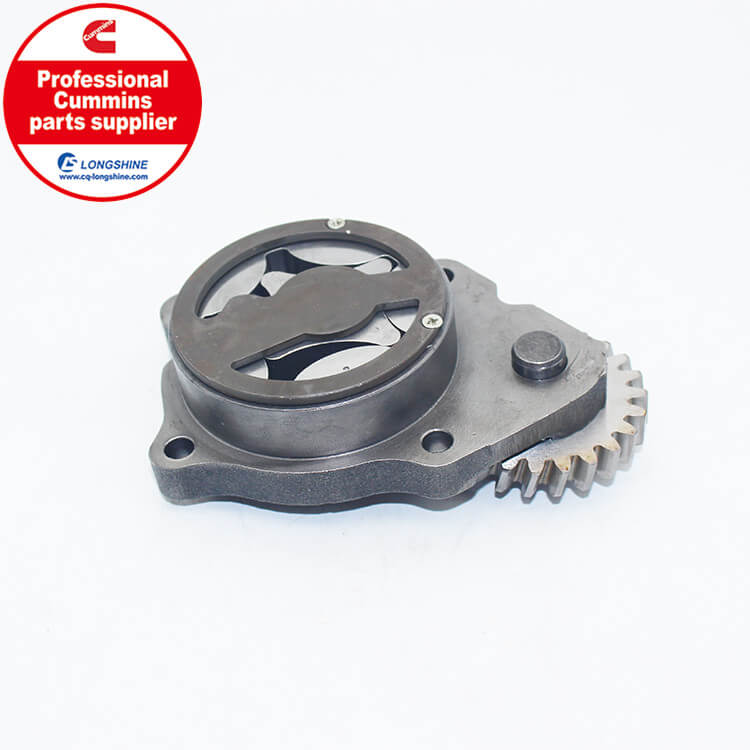
Pumping the lubricating oil from the oil pan to the engine parts including the crankshaft bearing, camshaft, pistons cooling nozzle and the turbocharger is the most crucial role played by the oil pump in Cummins diesel engines.
High-Precision Gear Drive: Oil pumps of Cummins engines employ the use of high strength gear pump, which is driven by crankshaft gears to maintain perfect synchronization between the oil delivery and engine speed.
Constant Pressure Regulation: Pressure relief valve in the pump housing guarantees that the oil will be automatically circulated when there is extra pressure inside the system to prevent oil filters and line seals from shock load due to high pressure.
High-Temperature and Wear Resistance: The oil pumps used in OEM engines are designed to work under severe conditions like heavy loading, high gust loading and high temperature.
Early Warning Signs of Cummins Oil Pump Failure
The early detection of the signs of a failing oil pump can help to save fleet managers or mechanics thousands to tens of thousands of dollars from paying for costly major repairs.
Low Oil Pressure Warning
One sure sign that the oil pump may be experiencing wear or even internal leakage is the appearance of the low oil pressure warning light, or an oil pressure gauge registering lower than normal values while the engine is idling and warm.
Abnormally High Engine Operating Temperature
Besides reducing friction, oil in the engine serves the function of dissipating the engine’s heat internally. With low oil pump flow, oil flow through the engine becomes too slow, leading to abnormal increase in both engine coolant and oil temperature levels.
Internal Engine Noises (Ticking / Knocking)
In the case where oil pressure is not enough to create adequate oil film, rocker arms, valve tappets, and connecting rod bearings become poorly lubricated, and thus knocking sounds continue to be heard.
Turbocharger Overheating or Premature Failure
Turbochargers revolve very fast and are highly dependent on the lubricating oil. If any delays arise in supplying the oil or there is inadequate pressure from the oil pump, the turbocharger bearings overheat and lock up.
Metal Debris in Engine Oil
Presence of small particles of metals in the filter elements or on the bottom of the oil pan while changing oil/filters is usually indicative of abnormal gear mesh or excessive wear of the internal parts of the pump.
Common Causes of Cummins Oil Pump Failure
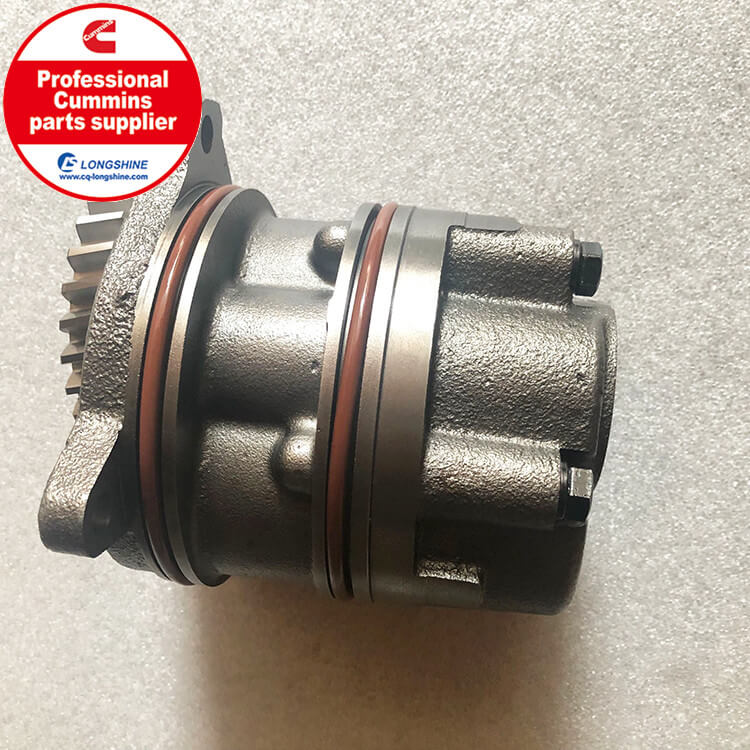
Oil pressure stability is the basis for safe diesel engine performance. While Cummins oil pumps are renowned for their durability, they may fail due to long periods of heavy loads and faulty maintenance. Knowing the common causes will help develop appropriate maintenance plans:
Internal Component Wear:
Extended use leads to wearing out of gears, rotors, and bearings. In the event that the clearances between the mating parts exceed the specified values, efficiency is drastically reduced, resulting in poor pressure and lack of supplies.
Oil Contamination and Abrasive Damage:
Metal shavings, carbon deposits, or sand suspended in the oil scratch precision pump components or cause the pump shaft to seize. Regular oil and filter changes matching OEM specifications are vital to minimizing this risk.
Mismatched Oil Viscosity:
Using oil with excessively high or low viscosity directly impacts supply performance. High viscosity impairs cold-start fluidity and leads to pump cavitation; low viscosity fails to build adequate pressure at high temperatures. Always select oil strictly according to ambient temperatures and engine specs.
Suction Line or Oil Gallery Clogging:
Sludge clogging the pickup screen, air leaks in the suction pipe, or blockages in the main oil gallery force the pump to run starved. These supply obstructions exhibit low-pressure symptoms nearly identical to a damaged pump and should be inspected first.
Pressure Relief Valve and Drive Mechanism Failure:
The clogging of the valve core or spring failure in the pressure relief valve results in unusual pressure levels within the system. The damage to the pump drive gears or shaft prevents power input to the system.
Cummins Engine Oil Pump Model & Application Compatibility
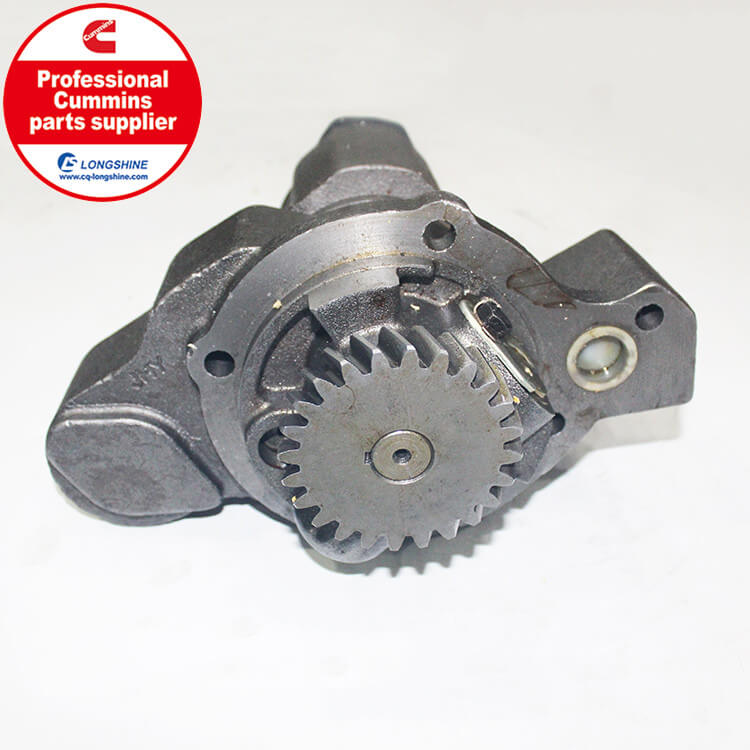
Different Cummins engine series and displacements require distinct oil pumps in terms of flow rate, internal structure, and mounting patterns. The table below outlines key features of mainstream models:
| Engine Series | Typical Applications | Oil Pump Features |
| Cummins ISX / ISX15 | Heavy-duty long-haul trucks, tractors | High-flow design; compatible with high-pressure common rail systems; requires extreme seal and oil seal durability. |
| Cummins 6BT 5.9L / 6CT 8.3L | Medium-duty trucks, excavators, wheel loaders | Classic gear pump design; compact construction; high durability; large market replacement demand. |
| Cummins ISM / M11 / N14 | Heavy engineering vehicles, mining equipment | Optimized for heavy loads; tight gear mesh tolerances; maintains high oil pressure even at low RPMs. |
| Cummins QSK / KTA Series | Industrial generator sets, marine power | Large-displacement industrial pumps; built for continuous 24/7 heavy-load operation with superior fatigue resistance. |
Genuine OEM vs. Aftermarket Cummins Oil Pumps: How to Choose?
The decision on whether to perform overhaul or replace the engines involves consideration of factors including the quality of the component versus its cost and the amount of downtime. The pump is the heart of the lube system, and its quality will determine the lifespan of the engine.
Genuine OEM: Superior quality, but traditional channels present high entry barriers.
Genuine pumps adhere strictly to the engineering specifications of Cummins with respect to material specification, heat treatment, accuracy of gear machining, and assembly tolerances. Genuine pumps provide a consistent build-up of pressure as well as excellent wear resistance in high temperature and high load conditions and hence eliminate the chances of catastrophic failure of engines due to lack of lubrication. But buying these genuine pumps through dealers is very expensive and the Minimum Order Quantity is also very high.
Inferior Aftermarket: Low prices, but poses immense hidden hazards.
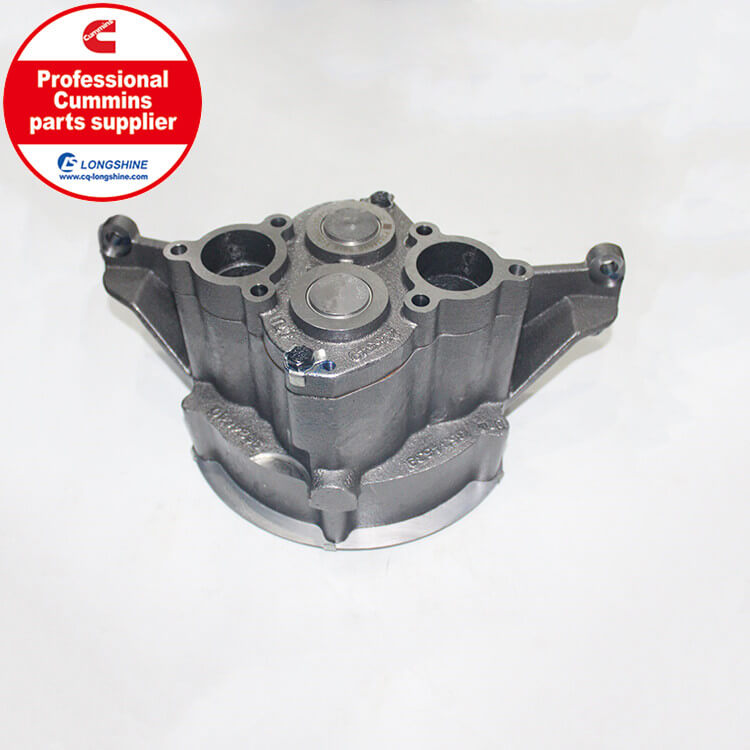
Even though inexpensive pumps have an appearance that is similar to those expensive ones, the problems with the materials and the machining process cannot be ignored. Such problems include the faulty castings of the pump body (subject to the development of blowholes and sand holes), the inaccuracies in the gear meshing process, as well as the wear of the relief valve spring. After installation, such pumps usually exhibit uneven pressure buildup, cold/hot pressure differences, or lock up quickly.
The Optimal Solution: Independent suppliers offering genuine quality with flexible service.
The best way for integrating both quality assurance and cost effectiveness is through partnering with an expert independent vendor who can supply you with authentic inventory coupled with flexible services. This will ensure that you get authentic oil pumps conforming to the original engineering specifications without the hassle of dealing with high MOQs of dealers.
Longshine: Your Partner for Flexible, Genuine Cummins Component Solutions
As a specialized supplier of genuine Cummins engines and components, Longshine is dedicated to helping global clients minimize total procurement costs while maintaining uncompromised quality:
100% Authenticity Guarantee: Strict supply chain management ensures every oil pump and core assembly meets rigorous original manufacturing specifications and durability standards.
No MOQ Limits: Breaking traditional purchasing barriers by supporting single-piece orders (1 pc minimum order), whether for emergency single-machine repairs or long-term spare parts stocking.
Fast Global Shipping & Competitive Advantage: Ample stock reserves and rapid global logistics support help minimize equipment downtime and lower overall cost of ownership.
Key Steps for Cummins Oil Pump Installation and Maintenance
Proper installation procedures and routine maintenance are essential to ensuring a new oil pump reaches its expected service life and preventing early wear:
Pre-Lubrication Prior to Installation
The new oil pump needs to be pre-lubricated before starting. Fresh engine oil of the required type should be introduced through the inlet hole, and the drive gear should be turned a few times manually so that the internal parts become lubricated. Never do a dry run, as no lubrication will result in immediate scoring of the internal parts.
Synchronous Replacement of Seals and Gaskets
It is imperative to ensure that all seals associated with the replacement of the pump are changed, including suction pipe o-rings, mating gasket of the pump body, and front crankshaft oil seal. Old seals may result in air being drawn into the suction pipe (cavitation, pressure variation), or oil leakage from the unit.
Thorough Cleaning of the Oil Pan and Pickup Screen
After the removal of the existing pump, all the build-up of sludge, carbon build-up, and metal particles should be cleaned from the bottom of the oil pan. The cleaning of the screen of the suction tube is also essential because installing the new pump without cleaning will cause more damage.
Final Thoughts
The Cummins engine oil pump is an important part of the lubrication system of a diesel engine, having impact on the oil circulation and protection of the engine.
In case an engine shows signs of low oil pressure, noises or any other problems with lubrication, try to conduct a diagnosis before making a decision about replacement of the oil pump. It is important to know the engine type, ESN, part numbers and other information to avoid mistakes when selecting an oil pump.
If you are looking for an oil pump tailored to a specific Cummins engine model, feel free to contact Longshine.