
How to Find the Right Cummins Part Numbers Using the Engine Dataplate?
When looking for Cummins engine parts, the engine model is usually the first piece of information people provide. You might have a 6BT, NT855, K19, or another common Cummins model, but the model number does not always tell you exactly which part you need.
The reason is simple: two engines from the same model family may use different components depending on their configuration, production period, or application. A part that fits one NT855, for example, may not necessarily be correct for another.
This is why the engine dataplate is important when checking Cummins part numbers. The information printed on it helps narrow down the exact engine configuration and makes parts identification much more accurate.
Below, we’ll go through where the dataplate is usually located, which numbers you should record, and how those details can be used to find the correct Cummins parts.
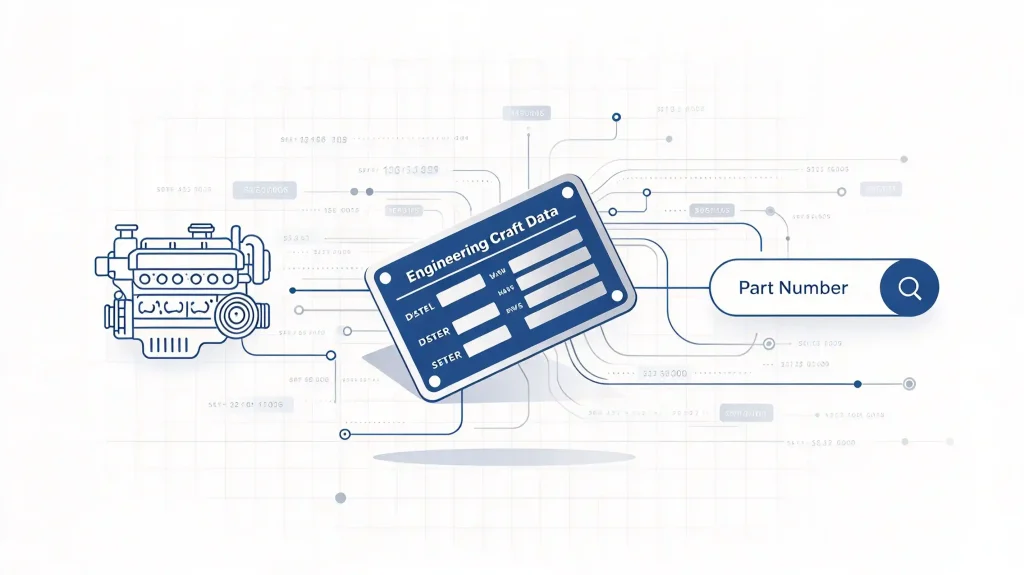
Where Is the Cummins Engine Dataplate Located?
The Cummins engine dataplate is usually a small metal plate fixed directly to the engine. Depending on the engine series, you may find it on the side of the cylinder block, around the gear housing, or close to the valve cover. The location is not the same on every engine, so you may need to check more than one area.
On an older engine, the plate is sometimes difficult to spot because of oil, dust, or layers of paint. Wipe the surface carefully until the numbers can be read clearly. It is also worth taking a photo once you find it. You can keep the photo for future parts inquiries instead of checking the engine again each time you need a filter, gasket, injector, or other replacement part.
Which Information on the Dataplate Matters Most?
For parts identification, the first number to look for is the Engine Serial Number (ESN). Each engine has its own ESN, and this number is used to check the parts information for that specific engine. If you are sending an inquiry to a Cummins parts supplier, the ESN is usually the best information to provide.
You should also record the CPL number. CPL refers to the parts configuration used on the engine and can help distinguish between different versions within the same engine family. This becomes especially useful when two engines have the same general model designation but do not use exactly the same components.
The dataplate may also show the engine model, rated horsepower, and governed speed. These details can help confirm the engine specification, but for identifying replacement parts, the ESN and CPL are usually the numbers you will need most often.
How to Use the Dataplate Information to Find Part Numbers
Once you have the ESN, you can use it to check the parts fitted to that particular engine. Keep the CPL as well, since it can be helpful when confirming the engine configuration.
One place to start is Cummins QuickServe Online. Enter the ESN and you can check the available parts catalog, service information, and other records for the engine. This is particularly useful when you need to verify a part number rather than relying on the engine model alone.
Another option is to send the ESN and CPL to a parts supplier. A clear photo of the entire dataplate is even better, as it gives the supplier more information to work with. They can use these details to check the required component and, where applicable, provide Original Cummins, OEM, or aftermarket options.
If the ESN is worn or difficult to read, the CPL can still be useful. For some engines, it can help narrow down overhaul kits and other commonly replaced parts. However, when an ESN is available, it should normally be used for the final parts check.
What to Do If the Dataplate Is Missing or Unreadable
On older engines, the dataplate may be damaged, painted over, or missing altogether. If you cannot read the ESN from the plate, check the engine block for a stamped serial number first.
Old service records, parts invoices, or equipment documents may also contain the engine information you need. If none of these are available, take several clear photos of the engine, including the overall engine, fuel system, turbocharger, and other identifiable components, and send them along with the model number to your parts supplier.
Photos and model information can help with identification, but they are not as reliable as a complete ESN. For overhaul parts or other components where small specification differences matter, confirm the part number before placing the order.
Common Mistakes to Avoid
The engine model alone is often not enough to identify a Cummins part. For example, two 6BT or NT855 engines may have different injectors, fuel pumps, or gasket sets depending on their configuration. If the CPL is listed on the dataplate, include it when checking the part rather than assuming the same model uses the same components.
It is also worth checking that the dataplate information is original and readable. A plate that has been repainted, damaged, or replaced may contain incomplete or inaccurate information. If something does not match, compare it with the engine itself or with previous service records before ordering.
Once you have confirmed the ESN and other key information, keep a clear photo of the dataplate. The next time you need parts, you can send the same information to a supplier without having to locate and read the plate again.
Final Thoughts
When checking Cummins parts, start with the information on the engine dataplate whenever possible. The ESN is the key number for identifying the engine, while the CPL helps confirm its configuration. Together, they give you a much better starting point than the engine model alone.
If you are not sure which part number you need, you can provide the ESN and CPL, or send a clear photo of the dataplate, to a Cummins parts supplier for checking. This is especially useful for parts such as injectors, fuel system components, gaskets, and overhaul kits, where different engine configurations may use different parts.
If you need help checking a Cummins part number, you can also send us the engine information or dataplate photo. We can use the available engine details to help identify the appropriate parts for your engine.