
How Many Fuel Filters on a 6.7 Cummins?
For users of vehicles equipped with the 6.7 Cummins diesel engine, maintaining the fuel system is crucial. One of the most common questions is: how many fuel filters does a 6.7 Cummins have?
Simply put, most 6.7 Cummins engines, especially those found in RAM 2500/3500 pickup trucks, are equipped with two fuel filters. However, knowing the number alone is not enough; the filter locations, replacement intervals, and proper selection are equally important.
In this post, we will provide a comprehensive overview of the number, locations, functions, as well as replacement and purchasing tips for fuel filters. Here we go!
How Many Fuel Filters on a 6.7 Cummins?
Most 6.7 Cummins engines use a dual fuel filter system, which mainly includes the following two components:
- Engine-mounted fuel filter (Primary Filter)
- Chassis-mounted fuel filter/water separator (Secondary Filter / Water Separator)
This dual-filter design significantly improves fuel cleanliness, ensuring that diesel entering the High-Pressure Common Rail (HPCR) system is as clean as possible. This helps protect critical components such as injectors and the high-pressure fuel pump, ultimately extending engine life.
Summary: The standard configuration includes 2 fuel filters, working together as a complete filtration system.
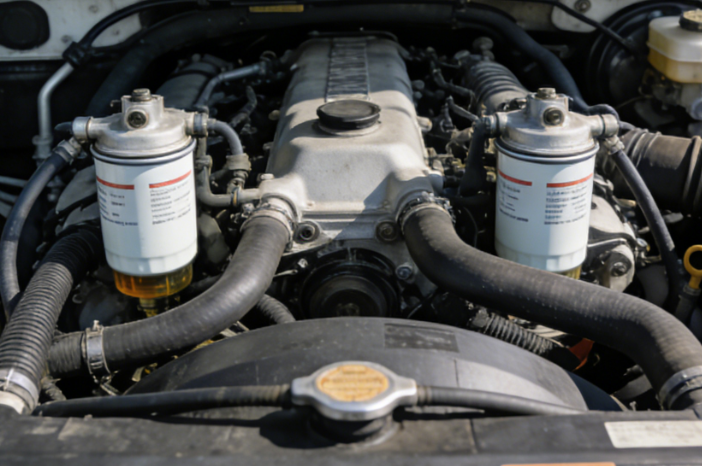
Where are the 6.7 Cummins Fuel Filters Located?
Knowing the location of the fuel filters is essential for routine maintenance and replacement, especially to protect the high-pressure fuel system and extend engine life. The details are as follows:
Engine Bay Filter (Primary Filter)
Location: This filter is located inside the engine bay and is usually mounted inside the fuel filter housing
Features: The filter is located near the top of the engine for easy inspection and replacement
Function: The filter acts as a primary filter by removing any large particles from the diesel before it reaches the high-pressure pump
Chassis-mounted Fuel Filter / Water Separator (Secondary Filter)
Location: The filter is mounted underneath the vehicle and is usually located near the fuel tank or chassis
Function: The filter acts as a finer filter for the diesel and removes any water that may be present in the diesel before it reaches the high-pressure common rail pump
Features: The filter is best suited for long-term driving conditions and prevents any water damage to the engine
Model Differences:
This dual filter arrangement is commonly used in post-2013 models to enhance fuel purification.
The pre-2013 models, on the other hand, would typically have a primary filter in the engine bay, but there would not be a water separator on the chassis, which would mean a less efficient management of water and contaminants in the fuel, hence a need for regular fuel checks by the owner.
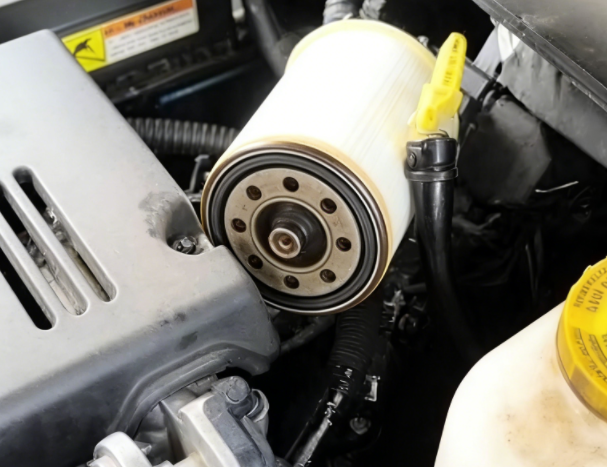
Why Does the 6.7 Cummins Use Two Fuel Filters?
The 6.7 Cummins features the dual fuel filter system not as an unnecessary complexity, but as an assurance for the reliability of the fuel system as well as the performance of the engine.
Improved Filtration Precision
Diesel fuel is known to contain minute particles, metal shavings, as well as other contaminants. The dual filter system helps remove these contaminants from the fuel, ensuring that the fuel provided to the high-pressure fuel system is as clean as possible for the overall fuel system’s stability.
Protection of the High-Pressure Common Rail (HPCR) System
The 6.7 Cummins features a high-pressure common rail fuel injection system that demands extremely clean fuel. Any contaminants or water could damage the high-pressure fuel pump or injectors, affecting engine operation. The dual-filter setup effectively reduces this risk.
Extended Injector and High-Pressure Pump Life
Impurities and moisture can accelerate injector wear and even cause clogging or damage. By filtering fuel through two stages, the dual-filter system helps minimize component wear, reducing maintenance frequency and associated costs.
Enhanced Engine Performance and Fuel Efficiency
Clean, well-filtered fuel ensures more complete and stable combustion, providing smoother power delivery while improving fuel efficiency and reducing emissions.
This dual-filter design not only protects critical components but also ensures more reliable power and a better overall driving experience.
When to Replace Fuel Filter?
It is desirable that for 6.7 Cummins putting in new fuel filters must happen once every 10,000 to 15,000 miles or at the interval recommended in maintenance literature for preventing contamination to the fuel system disrupting high-pressure common rail operation.
In other settings shorter intervals must be adhered to concerning replacements. For example, the filters may need to be replaced more often if the vehicle regularly is running on poor-quality diesel (which may often have more contaminations or moisture).
A heavily loaded vehicle or one that experiences off-road driving actually is subjected to greater running stress, leading to quicker clogging of the filter. Running in high-dust conditions, say, in deserts or in construction sites increases the risk brought about by fuel contamination and would only invite the call for change at an earlier point.
Adjusting the replacement interval according to actual usage helps extend engine life and maintain optimal performance.
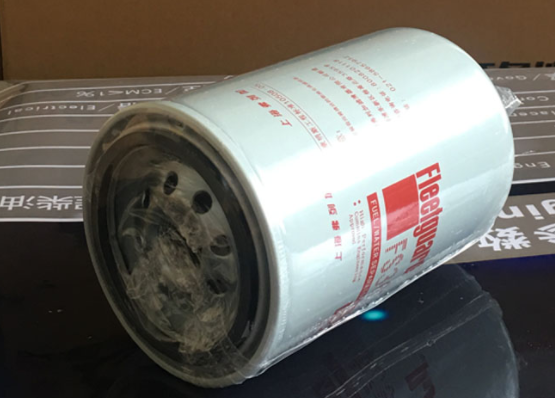
Common Signs That the Fuel Filter Needs Replacement
For the 6.7 Cummins engine, when the fuel filter becomes clogged or its performance declines, the vehicle often shows several noticeable signs that require attention and timely replacement.
Difficulty Starting
If the vehicle struggles to start, especially during cold starts, or requires multiple attempts to fire up, it may indicate that fuel flow is being restricted by a clogged filter.
Reduced Power
A noticeable drop in engine power, sluggish acceleration, or difficulty climbing hills can also signal that the fuel filter is obstructed and not delivering sufficient fuel to the engine.
Increased Fuel Consumption
Higher fuel consumption or reduced fuel efficiency can result from poor fuel filtration, as the engine may compensate for inconsistent fuel flow by using more diesel.
Check Engine Light and Unstable Idle
When the Check Engine Light comes on, it is usually accompanied by engine vibration or unstable and irregular idling. Signs are indicative of fuel system-related problems pointing to a fuel filter that has begun to deteriorate.
Most importantly, however, driving with an eye-blind to these signals can wreak havoc on the high-pressure fuel pump or injectors, hence calling for a repair bill that is higher than when such warnings had initially appeared. Hence, it is imperative to remind motorists to always change the fuel filter on time.
Best Fuel Filters for 6.7 Cummins
In the 6.7 Cummins engine, a fuel filter is of the utmost importance for keeping the fuel system intact, as its stability is essential for proper functioning of the high-pressure common rail system and the engine in totality. It should be judged about how much filtration it does, how durable it is, and very importantly, how trustworthy its brand is.
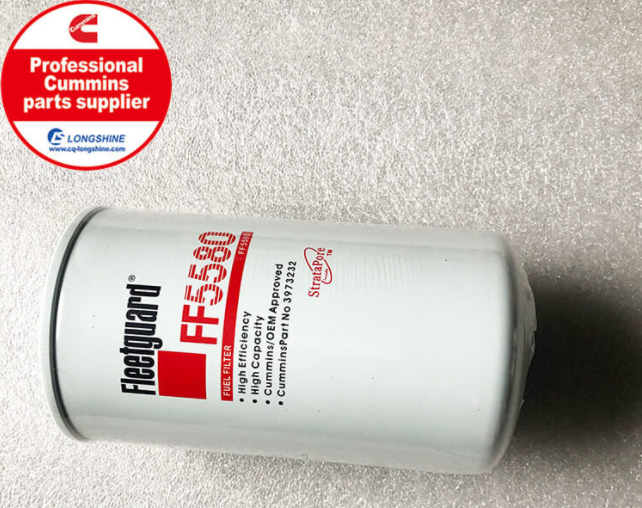
Fleetguard is the most commonly used fuel filter brand in the Cummins official system. It has been put through extensive factory testing and certification to meet very high standards for the 6.7 Cummins high-pressure fuel system. It has excellent temperatures and good pressure resistance; it can capture even the tiniest of contaminants and water. The injectors and the high-pressure fuel pump are well protected while ensuring that the life of the engine is extended.
As a professional Cummins parts supplier, Longshine is committed to offering customers high-quality Fleetguard fuel filters, which meet official Cummins standards. At the same time, we offer competitive prices, which are cost-effective and balance quality and affordability, allowing users to enjoy quality while reducing costs. Our Fleetguard filter is suitable for individual users and fleet users, offering reliable solutions for maintaining the efficient and stable performance of 6.7 Cummins engines.
Mopar, being an OEM for RAM and Chrysler, offers fuel filters that have a high level of compatibility with the fuel system. It is easy to install and offers reliable performance. Using an OEM fuel filter like Mopar ensures that the vehicle has the standard fuel filtration system, and there is less risk of leaks and improper installation.
WIX is a more cost-effective alternative, suitable for budget-conscious users. Although not an OEM part, WIX filters still offer high filtration efficiency and durability, providing reliable protection for everyday driving and moderate-load conditions, making it a practical and economical choice.
The choice of fuel filtration is of prime importance to ensure the fuel needs of an internal combustion vehicle. Compatibility with the vehicle, temperature and pressure resistance, and the ability to separate water should also be evaluated. By selecting the best filter, one provides clean fueling systems and ensures smooth engine operations in all working conditions.
How to Replace Fuel Filters on a 6.7 Cummins?
A 6.7 Cummins fuel filter replacement is easy by all means but remember that it involves high-pressure fuel system components; hence the process requires caution. Here are the step-to-step instructions:
Step 1. Turn Off the Engine and Relieve Fuel System Pressure
Before turning any filter off, you must turn off your engine and take the lead in depressurizing your fuel system. This is done by slightly opening the bleeder screw on the fuel filter itself or as directed from your vehicle service manual in order to prevent a shower of fuel, possible hazardous conditions, etc.
Step 2. Removing the Old Fuel Filter
The old filter can now be extracted from the primary engine filter housing using the right tools, while the chassis-mounted separator (in case of dual filtering) can be made to separate from its seating. Any residual fuel must be carefully disposed of to avoid spillage, contamination, or burns.
Step 3. Cleaning the Mounting Interface
Even before placement of the new filter, the proposed filter-mounting surface should always be cleaned of any debris and old-gasket material, as this will provide a secured seal against possible leakages.
Step 4. Fitting the New Fuel Filter
Slide the correctly oriented new filter into its holding place (always look for the arrow on the filter pointing the direction of flow) and hand-tighten until torque levels are attained. A little diesel is used to lubricate gaskets-the less, the better the next time you have to work on it.
Step 5. Prime the Fuel System
After installing the filter, remove air from the filter to allow fuel to flow smoothly into the system. Depending on the model, this can be done using a manual priming pump or the vehicle’s electronic priming procedure. Make sure there is no air trapped in the fuel system.
Step 6. Start the Engine and Check for Leaks
Start the engine and check for any fuel leaks around the filter and connections. At this stage, observe the smoothness of the engine’s operation. If any leaks or abnormalities are noticed, switch off the engine and check the installation.
Recommendation: When dealing with a dual-filter system, it would be advisable to replace both filters, namely, the engine bay filter and the chassis-mounted water separator, at the same time in order to enhance the general cleanliness and stability of the system, which in turn would prolong the life of the high-pressure common rail system and injectors.
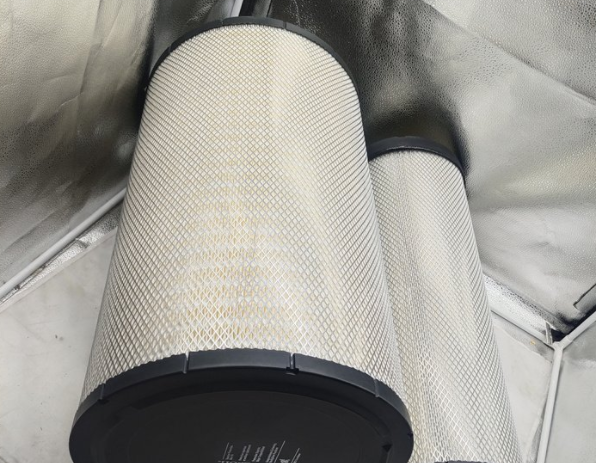
Fuel Filter Replacement Cost
The cost of replacing the fuel filter for a 6.7 Cummins will largely depend on the brand and method of replacement.
The replacement of a single filter will cost between 20 and 80 dollars depending on the brand and type of filter. The replacement of a dual-filter vehicle will require replacing both the engine bay filter and the chassis-mounted water separator filter for a cost of $50 to $150.
If you opt to have the installation done at a repair shop or service center, then the cost can range from $150 to $300 due to labor and parts costs.
If you have some basic skills, fixing the fuel filter yourself is a good way to go so you can save all expenses on labor. Basically, all you must supervise mandatorily on your own is to make sure safety precautions are observed in terms of draining the pressure and then filling up the new one, in order to save yourself from leaks and air entry into the system.
Final Thoughts
Two fuel filters are usually integrated into the 6.7 Cummins diesel engine, meant to offer satisfactory water separation and fuel filtration, one above and one below the chassis.
To avoid ruining the efficiency of the engine and the durability of the fuel system, fuel filters must be regularly and timely replaced. This will also help lower running costs.
The Cummins parts engine supplier, Longshine, grants highly competitive prices for production of excellent fuel filters for buyers as a demand of the market. It provides a good value-for-money offer.