
Cummins ISX Fuel System Problems: Symptoms & How to Fix Them
Cummins ISX fuel system problems are one of those things that a lot of heavy duty truck owners don’t really think about. Not until the truck starts acting weird, anyway. And honestly, it’s super common on high mileage rigs.
You might just feel like the truck is “getting tired.” It takes longer to start. Or when you’re climbing a hill with a heavy load, it just doesn’t pull like it used to. Sometimes a code pops up, but then you restart the engine and it goes away. So you ignore it. Big mistake.
Here’s the thing. On an ISX, fuel system issues are rarely just “small problems.” Instead of waiting until something breaks, you really need to know: what symptoms mean trouble is building up? Which failures are typical for ISX engines? And what gets misdiagnosed all the time?
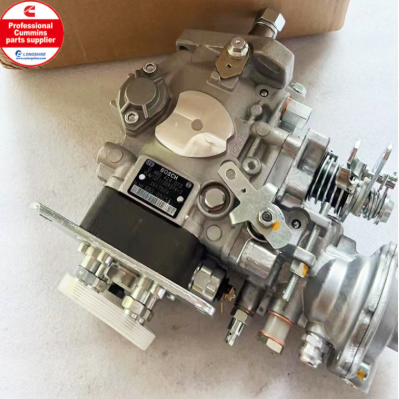
Understanding Your Cummins ISX Fuel System (HPI-TP vs. HPCR)
Not all ISX engines are the same. The fuel system layout changed over the years.
The older ones mostly used HPI-TP (that stands for High Pressure Injection Timing Pressure). Later ISX15 and X15 engines switched to HPCR (High Pressure Common Rail). Both are high pressure diesel systems, but the way they work is pretty different.
| System Type | How It Works | Key Trait |
| HPI-TP | Mechanical high pressure buildup | Depends more on the pump itself |
| HPCR | Constant common rail pressure | Depends more on electronic control |
A simple way to think about it: HPI-TP is like a mechanical hydraulic system. HPCR is more like an electronically controlled precision system. That’s also why later ISX and X15 engines are better with emissions and injection control, but they’re also way more sensitive to fuel cleanliness, pressure stability, and sensor condition.
The most critical parts in the whole system are:
| Component | What It Does | Simple Analogy |
| Lift Pump | Moves diesel from tank | Like a water suction pump |
| High Pressure Pump | Builds high pressure | Like a booster |
| Fuel Rail | Stores high pressure fuel | Like the main high pressure pipe |
| Injectors | Sprays fuel | Like precision nozzles |
| ECM | Controls everything | Like the brain |
A lot of ISX fuel problems come down to pressure imbalance between these parts.
Top 5 Cummins ISX Fuel System Problems and Warning Signs
1. Low Fuel Rail Pressure & Fault Code 559
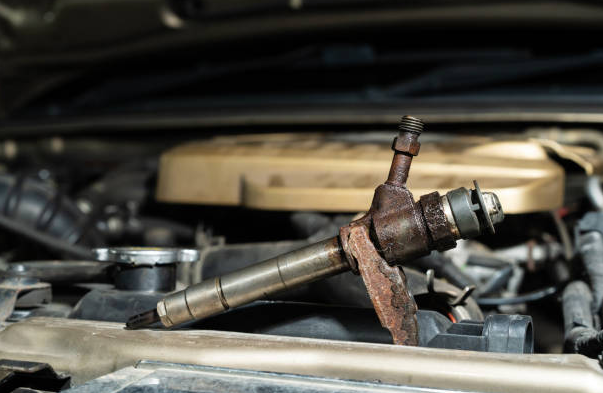
If you ask any mechanic what the most common ISX fuel system fault is, many of them will say the same thing right away: Fault Code 559.
Basically, this code means Fuel Rail Pressure Too Low. Think of the fuel rail as the main high pressure fuel pipe for the whole system. The engine needs steady high pressure in there so the injectors can do their job.
A lot of trucks will show warning signs before Code 559 even appears. Here’s what you might notice:
| Common Symptom | What It Feels Like |
| Long crank time | Especially when the engine is cold |
| Power loss | Hard to accelerate with a heavy load |
| Throttle lag | Pedal feels sluggish |
| Derate | The engine cuts power on purpose |
A lot of drivers say, “The truck still runs, but it feels like it’s being held back.”
There isn’t just one reason for Code 559. Sometimes it’s just a clogged fuel filter. But other times, it’s a stuck fuel pressure relief valve, a weak lift pump, or a fuel pressure sensor sending bad data. The annoying part? All these problems feel pretty much the same.
2. Fuel Pump Failure & The Ceramic Plunger Threat
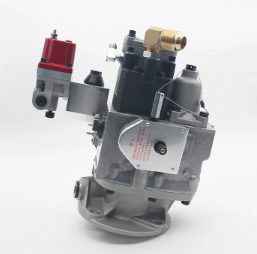
Compared to low rail pressure, a lot of ISX owners worry more about internal wear inside the high pressure pump. Especially on older systems that use ceramic plungers.
The plunger is the core part inside the high pressure pump that compresses diesel to build pressure. In theory, ceramic is wear resistant. But after a lot of high load miles, if it cracks or breaks, the trouble spreads fast.
Here’s what’s really dangerous. It’s not that “the pump failed.” It’s the metal debris that contaminates the whole fuel system. Many techs describe it like this: “It’s like pumping sand into your bloodstream.”
Those tiny metal particles travel with the diesel. They get into the fuel rail, the injectors, the pressure control valve, and the return system. That creates a classic chain reaction. What could have been just a pump job turns into replacing all injectors, cleaning the rail, flushing lines, and cleaning the tank. That’s expensive.
That’s why experienced shops, when they find high pressure pump wear, always check for system contamination first.
3. Worn Fuel Injectors & Engine Knock
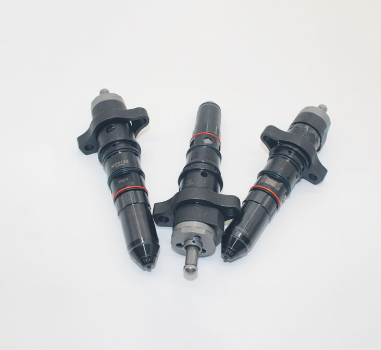
Injector wear is super common on high mileage ISX engines. The injector is an ultra precise fuel nozzle. It doesn’t just spray fuel. It decides whether the diesel atomizes properly. Once the spray pattern changes, the combustion quality takes a hit.
A lot of drivers don’t notice a code at first. What they notice is the engine sound getting “rougher.” Especially at idle or light load, you’ll hear a distinct diesel knock. Most of the time that knock isn’t a mechanical failure inside. It’s just uneven combustion.
The exhaust color can also tell you a lot:
| Exhaust Color | Common Cause |
| Black smoke | Too much fuel or poor atomization |
| White smoke | Diesel not burning completely |
| Gray smoke | Low combustion efficiency |
Most cummins injector issues end up hurting power, fuel economy, emissions, and engine smoothness all at once.
4.The DPF Regen Killer: The 7th Injector
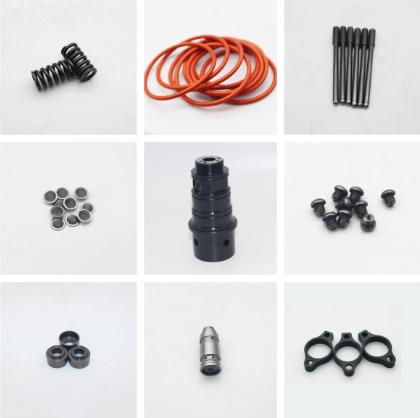
On ISX and X15 engines, there’s a part that’s very “Cummins specific.” It’s called the 7th injector. It’s not like the regular injectors. Normal injectors feed fuel to the engine for combustion. The 7th injector is mounted on the exhaust system, and its job is to help the DPF (diesel particulate filter) regenerate.
Think of it like this: it’s the part that helps burn off soot inside the DPF.
When this injector gets clogged, coked up, or starts leaking, the regeneration process gets messed up. The truck will start showing frequent regen failures, weird exhaust temperatures, DPF warnings, and forced power derates.
A lot of drivers think the DPF itself is bad. But the real problem is often just that 7th injector not working right.
5. Air Intrusion & Sticking Check Valves
Air getting into the fuel system is a classic problem, but it’s also easy to overlook. Here’s a common situation. The truck runs fine during the day. But after sitting overnight, it’s really hard to start the next morning.
That’s often air intrusion into the fuel lines. A diesel system should be completely sealed. If there’s a tiny leak at a fitting, a seal, or in the return system, air slowly gets in. Air in the fuel line acts like bubbles in a straw. You can still get some liquid, but it’s intermittent.
Some trucks also have a sticking check valve that lets fuel drain back to the tank. That gives you long crank times, rough idle, hard cold starts, and sometimes random stalling. The worst part? These issues often don’t set any cummins fault codes.
How to Test and Troubleshoot ISX Fuel System Issues
Good ISX fuel system diagnosis isn’t about “which part should I replace first.” It’s about figuring out where the problem actually starts. A lot of big repair bills come from bad diagnosis order, not from a super severe failure.
Experienced techs always start by reading ECM fault codes. Most fuel issues will show up in rail pressure data first.
For example:
- Code 559 (rail pressure too low)
- Code 1911 (pressure control abnormal)
- Code 2215 (fuel actuator problem)
These codes don’t tell you exactly which part failed. But they help narrow down where to look.
The Magnet Test
A lot of diesel mechanics, when checking an ISX, pay close attention to the fuel filter. Some will even cut the filter open to look at the debris inside. One classic trick is the magnet test.
Simple logic. If you find silver metal particles that stick to a magnet inside the filter, that usually means the high pressure pump is wearing out inside. That metal won’t just disappear. It’ll keep circulating with the fuel and gradually contaminate the rail, injectors, pressure control valve, and return system. When shops find obvious metal contamination, they often recommend a full system clean, not just a single part swap.
Checking Lift Pump Pressure
A bad lift pump (low pressure pump) often gets mistaken for a high pressure system problem. Because even if the high pressure pump is fine, if the front end can’t supply enough fuel, rail pressure won’t stabilize.
A lot of trucks that are slow to build rail pressure on cold starts really just have an old lift pump, high suction resistance, or a small leak in the fuel line. That’s why techs usually check initial fuel supply pressure during key on, before cranking.
Checking for Air Bubbles
Air problems are some of the hardest to diagnose on an ISX. Why? They may not set a code. They can look normal when the engine is warm. And the symptoms are easy to confuse with bad injectors.
Some mechanics use a clear piece of fuel line temporarily to watch fuel flow. If you keep seeing bubbles, that usually points to a bad fitting seal, return system leak, or failed check valve. A lot of trucks that are “hard to start in the morning” turn out to have just one old seal.
Avoid Misdiagnosing Your Cummins ISX Fuel System
One really common problem with ISX fuel system repairs is overdiagnosis. A truck throws a code or has rail pressure issues, and the shop immediately says you need a new high pressure pump, full set of injectors, and a new rail.
But a lot of times, the real cause is way less serious.
Here are some classic misdiagnosis examples:
| Common Misdiagnosis | Actual Root Cause |
| Bad high pressure pump | Clogged fuel filter |
| Failed injectors | Air intrusion into fuel lines |
| Rail pressure problem | Relief valve leaking |
| Sensor code | Low pressure supply issue |
One of the most common is the fuel pressure relief valve. That valve is supposed to protect the system from over pressure. But if it sticks slightly open, it’ll keep bleeding off pressure. The symptoms end up looking almost exactly like a bad high pressure pump. That’s why good techs always ask: “Why is pressure low?” before deciding what to replace.
Looking for a Reliable Cummins ISX Fuel Pump Replacement?
Honestly, by the time most owners start searching for cummins isx fuel pump replacement, it’s not a small problem anymore. You’re probably already dealing with repeated rail pressure codes, obvious power loss, harder and harder starting, and metal shavings in the fuel filter.
Especially on ISX and X15 systems, once the high pressure pump starts wearing out, most mechanics don’t worry about “how much is a new pump.” They worry about whether the system is already contaminated.
Because in many cases, the really expensive part isn’t the cummins fuel pump itself. It’s the injectors, rail, pressure control valve, and return system that get damaged afterward.
You see this on repair forums all the time. A truck comes in for just a code or hard starting. Then they find metal contamination throughout the injection system. So when an experienced shop replaces an ISX high pressure pump, they don’t just check “does the part number fit.”
They care about:
| Key Factor | Why It Matters |
| Bench tested before installation | Avoids unstable rail pressure |
| Quality of plungers and internal materials | Long term wear resistance |
| ECM calibration compatibility | Prevents false codes |
| System contamination check | Keeps new pump from failing again |
A lot of people miss this. A new pump won’t automatically clean out the old system. If the rail injectors already have metal particles inside, your brand new pump may fail again soon. That’s why many diesel techs say that before replacing an ISX fuel pump, you have to check for metal in the filter, clean return system, check injector contamination, and test the fuel pressure relief valve.
This is extra important on the newer XPI (Extra High Pressure Injection) systems. More and more ISX and X15 repair cases are looking at the whole system condition, not just one part. Especially if the truck already has metal shavings, injector knock, rail pressure fluctuation, or long crank times. Those are signs the problem has moved beyond the pump itself.
Quick Answers: Cummins ISX Fuel System FAQ
Q1: What causes low fuel pressure on a Cummins ISX?
The most common reasons are a clogged fuel filter, weak lift pump, a fuel pressure relief valve that’s leaking, or air getting into the system. All of these stop the fuel rail from keeping steady pressure.
Q2: How do I know if my Cummins ISX injector is failing?
You’ll often see rough idle, knocking sounds, black or white smoke, and a drop in power. Injector issues also tend to increase fuel consumption noticeably.
Q3: Can a bad ISX fuel pump destroy injectors?
Yes, absolutely. Once the high pressure pump starts wearing out, metal particles circulate with the fuel and go straight into the injectors. That’s why a single pump failure often turns into full system contamination.
Q4: Why is my ISX hard to start after sitting overnight?
This is usually air intrusion, a bad check valve, or fuel draining back to the tank. The truck starts fine when warm, but after sitting cold, it’s a struggle. That’s the classic sign.