
6.7 Cummins Reliability: Is It the Best Choice for Your Business?
Ask about 6.7 Cummins reliability, and you will get two answers. One guy calls it a million-mile engine. Another just spent his weekend fighting a clogged EGR and a failed high-pressure fuel pump.
The split comes down to this. The block and rotating assembly are built to heavy-duty commercial standards with huge headroom. But the emissions and fuel systems bolted to the outside care a lot about fuel quality and how the truck is actually used.
So you cannot answer 6.7 Cummins reliability with just “good” or “bad.” Here is the breakdown from four angles that actually matter: the mechanical foundation, what really causes problems, which upgrades give you the best return, and how to avoid getting burned on parts.
Is 6.7 Cummins Reliable?
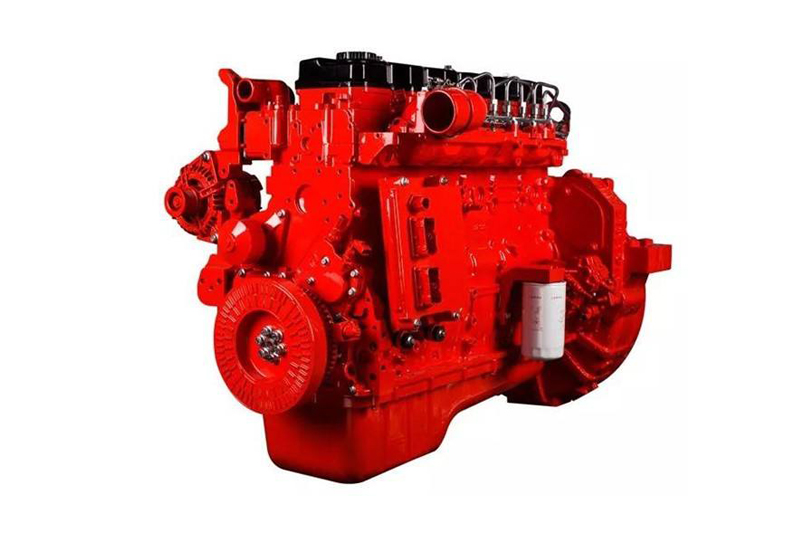
To answer is the 6.7 Cummins reliable, start with the hardware.
The 6.7 uses an inline six layout. All six cylinders in a row. An inline six naturally cancels its own vibration, pistons moving in pairs like rowers alternating strokes, so the boat stays smooth. A V8 needs extra balance shafts for that, which means more bearings and more stuff that wears.
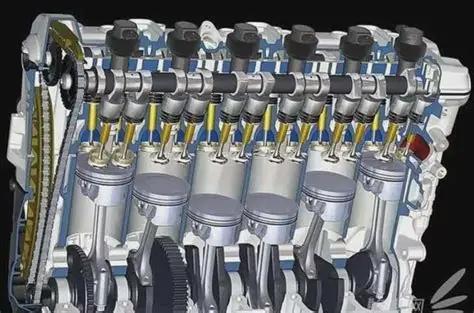
The block is grey cast iron, high carbon, absorbs vibration, and resists wear. The crank is forged steel. Rods and pistons follow medium-duty truck specs, not light pickup specs.
Then there is the long stroke design. Stroke is how far the piston travels, and bore is the cylinder diameter. When the stroke is longer than the bore, you get a longer lever arm during combustion, like a long handle breaker bar versus a stubby wrench. That means the engine can pull heavy at barely over a thousand rpm. Lower rpm equals slower sliding speeds and fewer wear cycles. Simple physics that pays off over time.
The Engineering Foundation
The design philosophy: let the big guy never work at full strength. Connecting rods, bearings, and the block are calculated to handle heavy loads while staying well under the fatigue limit, the stress at which a material can cycle almost forever without cracking. Under hard towing, the rotating assembly barely breaks a sweat.
But that overbuilt margin stops at the core engine. The EGR cooler, turbo actuator, and DPF did not get the same treatment. Once you understand that, the reliability complaints make sense. The block handles it. The bolt-ons do not always keep up.
How Long Will It Last?
With proper maintenance and clean fuel, the mechanical engine generally runs 400,000 to 600,000 miles. In fact, when analyzing how many miles will a 6.7 Cummins last in real-world B2B operations, long-haul fleets have documented units past 800,000 miles without ever being opened up.
But separate “still runs” from “can still do the job.” Many engines get parked early because an emissions fault triggers limp mode. The computer cuts power to protect itself, like a phone throttling when it overheats. On a loaded truck, limp mode means you cannot hold highway speed. In business, showing up late because of a delay hurts just as much as a full breakdown.
Proven Durability in Heavy-Duty Commercial Operations
Oil fields, mines, heavy wreckers, this is where the 6.7 earned its reputation. Two reasons.
First, a diesel fire by compression, no spark plugs. In dust and humidity, not having a high-voltage ignition system that can foul is a real advantage.
Second, diesel idle fuel consumption is low. Heavy recovery means hours of idling to run hydraulics. A comparable gas engine drinks at idle; the diesel sips. Fleet managers count thousands of idle hours per year, plus what one breakdown costs. One tow bill, one missed deadline, one penalty clause, and you are at five figures fast. The few grand saved on a gas truck does not even register.
What Affects 6.7 Cummins Reliability?
When a 6.7 has problems, multiple factors usually work together.
Emissions aftertreatment. EGR pipes exhaust back into the intake to cool combustion. Think of blowing ash back onto a fire. DPF is a ceramic honeycomb trapping soot, like a chimney screen. Short trips with low exhaust temps and both start packing up with carbon until the computer derates.
Fuel quality. The 6.7 uses high-pressure common rail injection. Picture a building’s water main, one pump feeds a shared rail, and all injectors draw from it. Injector clearances are single-digit microns. One hard particle scratches the surface. High-pressure fuel erodes the scratch into a pit. Spray pattern shifts, combustion goes uneven, soot climbs, and DPF clogs faster. A single grain of dirt starts a chain reaction. U.S. diesel lubricity varies a lot.
Parts quality. This gets underestimated. A cheap aftermarket injector with a poor spray pattern creates a hot spot that burns a pit into the piston. Worse is cascading failure. A reman turbo bearing fails. Fragments blow into the intercooler, then get sucked into a cylinder. A turbo swap becomes an engine rebuild.
Cooling and heat dissipation. A plugged radiator or old coolant with depleted additives builds scale inside the water jackets. The exhaust valve area runs hottest. Localized overheating can start there before the gauge moves. Heat cycling softens the valve sealing face, compression drops, and the dash never showed a thing.
Intake system sealing. A leak after the air filter feeds unfiltered air into the cylinders. The dust works like sandpaper on rings and cylinder walls.
Driving and maintenance habits. Do you idle after a hard pull to cool the turbo? Do you shorten service intervals when towing heavy? Still using the right coolant? None of these feels big in the moment. Stack them over 300,000 miles, and they absolutely steer reliability.
Common Problems That Affect 6.7 Cummins Reliability
These are the 6.7 Cummins engine problems that show up most often.
EGR carbon buildup and cooler cracking. Soot and water vapor make a mildly acidic mix. It corrodes the cooler walls electrochemically, creeping along grain boundaries year after year. Eventually, the wall gets thin enough that one heat cycle cracks it. Early clues: losing coolant with no leak, white vapor on cold starts. If the cooler ruptures and dumps coolant into a cylinder, the liquid does not compress. That bends rods or puts a hole in the block. The real fix is reducing soot production.
DPF clogging and failed regeneration. The DPF needs regular regen, extra fuel injected to spike exhaust temps, and burn soot to ash. Like getting a chimney red hot to cook off creosote. Short trips prevent regen temps, and the filter packs up. Replacement costs thousands. Prevention costs nothing but driving habits.
VGT turbo actuator sticking. VGT means variable geometry turbo. Vanes on the exhaust side pivot to control flow, like window blind slats. Soot gums up the pivot points over time. You feel lag and maybe see black smoke.
CP4 high-pressure fuel pump failure, especially in 2019 to 2021 models. Inside the CP4, a cam-driven roller follower relies on fuel for lubrication, like the treadle on an old sewing machine. When lubricity is marginal, the contact point wears and eventually fails, pumping metal shavings through the entire fuel system and wrecking every injector.
Intake grid heater bolt dropping. The grid heater warms the intake air. Its mounting bolt vibrates for hundreds of thousands of miles. Sometimes it works loose, and the engine swallows it. Low odds, catastrophic result, almost free to check.
OEM vs Aftermarket Parts: Which Is Better for Reliability?
Parts quality directly affects reliability. So OEM or aftermarket? It depends on the part and the risk.
OEM parts are built to factory prints. Dimensions, material, and testing all match what the engine was calibrated around.
An OEM injector has a spray angle, hole size, and pop pressure set to the ECM map. It bolts in and works. For high-stakes parts like HPFPs, injectors, turbo actuators, OEM or proven aftermarket is the safest bet. When replacing these components, understanding technical requirements is key—for instance, many owners wonder do 6.7 Cummins injectors need to be programmed to match the ECM’s fuel trim. The wrong injector can burn a hole through a piston.
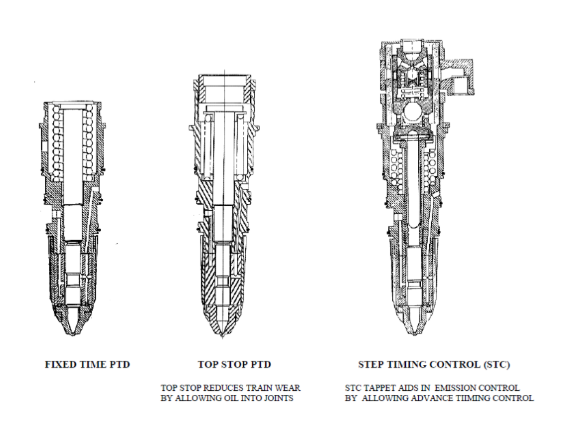
Brand-name aftermarket is not the same as a cheap knockoff. Real aftermarket manufacturers target OEM compromises, often made for cost or noise, and build something better. A fuel filter that catches 2-micron particles instead of settling for 10. An EGR cooler with vacuum brazed joints instead of furnace brazing, doubling corrosion life.
A practical guide. For high precision, high-risk parts, stick with OEM or a proven aftermarket brand with test data. For consumable filters, a high-spec aftermarket option often beats OEM on both price and performance. For peripheral upgrades, the aftermarket has solid choices, but vet the supplier. If they cannot show you how they test, walk away.
6.7 Cummins Reliability Upgrades: 5 Proven Solutions
Five 6.7 cummins reliability upgrades ranked by financial priority.
1. Fuel System Filtration Upgrades: 2-Micron Precision Protection
Common rail injectors are extremely sensitive to contamination. The factory filter is around 10 microns nominal.
That is not fine enough. Upgrading to 2 micron filtration puts real protection in front of your HPFP and injectors.
A billet aluminum cap also solves the common problem of the factory plastic cap rounding off over time.
2. CP3 High-Pressure Pump Conversion: Eliminating CP4 Catastrophic Failures
For 2019 to 2021 models, this is the big one. The CP4 pump can grenade when fuel lubricity is low, sending metal debris through the entire fuel system.
Swapping to the CP3, which has millions of miles of proven history and tolerates varying lubricity far better, eliminates that risk at the source. A full fuel system replacement after a CP4 failure can cost tens of thousands, so the conversion pays for itself. Notably, 2012 models came factory with the CP3.
3. CCV Oil-Gas Separator Modifications: Preventing Premature Seal Leakage
The CCV system routes blow-by gases back into the intake. The oily mist coats turbo blades and fills the intercooler over time.
A high-efficiency CCV separator catches much more of that oil mist, preventing filter clogging that builds crankcase pressure and pushes out seals. It also keeps the intake tract dry, helping combustion and avoiding sensor carbon buildup.
4. Coolant Filtration System Integration: Countering Cylinder Liner Cavitation
Coolant doesn’t stay clean forever, that’s the short version. Those additives that protect against rust and corrosion, they break down after enough heat cycles. What’s left is this fine grit circulating with the coolant, basically liquid sandpaper. It wears at the water pump impeller and scours the inside of the radiator tubes, slow but steady.
Then there’s cavitation. Tiny bubbles form and collapse against the metal surfaces inside the engine, and each one of those little pops takes a microscopic bite out of the metal. Over time, that pitting can eat right through a cylinder liner.
A bypass coolant filter catches that debris before it does damage. Cheap addition, and it stretches the life of everything in the cooling loop by a lot.
5. Grid Heater Bolt Reinforcement: Eliminating Internal Debris Risks
The grid heater bolt can work loose and get swallowed by the engine. The fix is a locking bolt or a one-piece intake horn that eliminates the bolt entirely.
A Ram Horn upgrade also improves airflow for a small power and efficiency gain, but the main benefit is structurally removing the risk of foreign object ingestion.
Investment priority summary:
Fuel filtration first, it protects the most expensive components. CP4 owners must evaluate the CP3 conversion immediately. CCV separator and coolant filtration are lower-cost ways to extend peripheral system life. The grid heater bolt check is pocket change to avoid a catastrophe.
Buying 6.7 Cummins Parts: Why Sourcing Matters for Reliability
The best upgrade plan means nothing if the part that arrives is a degraded core with new o-rings.
High-pressure pumps, turbos, and injectors run on precision-machined interfaces with clearances in microns. A proper replacement has dimensional inspection and functional test data. A cheap reman without testing can fail faster than the worn part you removed.
Three things separate real suppliers from box shifters.
Check for actual warehouse facilities and verifiable credentials, brand authorization or their own service centers, so they can support you after the sale.
Look for specialization, someone focused on Cummins engine parts is more likely to have the right test equipment and hands on experience.
And verify traceability, legitimate parts come with a brand authorization chain and import documentation. Vague “compatible” listings with no manufacturer named are a red flag.
The last safeguard for 6.7 Cummins reliability is knowing where each part came from. If you are looking for a dependable parts source, Longshine is worth checking out. They specialize in Cummins diesel engine equipment and components, and they run their own PT fuel system service workshops both domestically and internationally. That means actual technical support, not just a part number in a box.
Is 6.7 Cummins Worth It?
This comes down to how you use the truck.
If your routine is city commuting with the occasional light trailer, the EGR and DPF never get hot enough for passive regen. The engine never gets into its working zone, and the emissions system keeps loading up. A diesel on short cycles costs more in repairs than it saves in fuel. A big displacement gas engine is the smarter, cheaper choice here.
But if you’re hooked to a heavy trailer most days, logging interstate miles, or climbing mountain grades with a truck camper out back, the 6.7 starts making a lot of sense. It just settles into a gear and pulls. Tach needle barely nudges past two grand, and it stays there. The engine isn’t working hard at all, thermally or mechanically. It’s in its happy place, hour after hour.
When you’re using the truck the way it was actually designed to be used, the 6.7 isn’t some expensive upgrade. It’s the thing that keeps you running, day in and day out.
FAQ
What is the life expectancy of a 6.7 Cummins?
With proper maintenance and clean fuel, the mechanical engine typically delivers 400,000 to 600,000 miles. Long haul fleets have documented cases past 800,000 miles without a major overhaul. Most early retirements come from aftertreatment, fuel system, or accessory failures, not the block or crank.
What is the most reliable year of 6.7 Cummins?
2013 through 2018 is the sweet spot. These years introduced DEF, which lightened the workload on the EGR and DPF, so the engine produced less soot. They also kept the CP3 high-pressure fuel pump, which has a strong track record.
Which is better, 6.4 Hemi or 6.7 Cummins?
Different tools. The 6.4 Hemi is a gas V8, cheaper to buy and fix, great for daily driving and occasional towing. The 6.7 Cummins is a turbo diesel inline six with far more low-end torque and better fuel economy under heavy load. If you work the truck hard regularly, go 6.7. If not, the 6.4 costs less to own.
What year is 6.7 to stay away from?
2007.5 through 2008 had immature emissions calibrations, more DPF and EGR issues. 2011 saw elevated front-end chassis complaints. From 2019 to 2021, the main concern was the CP4 high-pressure fuel pump. If already converted to a CP3, that specific risk is resolved.