
Cummins Engine Repairs Guide: Common Problems and Solutions
In the heavy-duty diesel engine sector, Cummins is renowned for its durability and high performance, and is widely used in construction machinery, generator sets, trucks, and marine applications. However, even with its reliability, prolonged high-load operation can still lead to wear and potential failures. Therefore, mastering the key knowledge of Cummins engine repairs not only helps reduce downtime risks but also significantly extends the service life of equipment.
What are the Common Cummins Engine Problems?
In real-world operations, Cummins engines often run under heavy loads and harsh conditions, which can lead to several common and recurring issues. Understanding the causes and symptoms of Cummins engine problems helps improve diagnostic efficiency and repair accuracy.
1. Engine Overheating
Engine overheating is one of the most common and potentially serious issues. If not addressed in time, it can result in severe internal damage.
The root causes are usually related to the cooling system, such as insufficient or leaking coolant, a faulty water pump that disrupts circulation, a malfunctioning thermostat, or a clogged radiator that reduces heat dissipation efficiency.
Typical symptoms include an abnormally high temperature gauge reading, warning alerts, and in some cases, automatic engine derating for protection. Prolonged overheating can accelerate wear on internal components.
Regular inspection of coolant levels and condition, maintaining system sealing, and cleaning the radiator are essential to prevent overheating.
2. Hard Starting or No Start
Starting issues are quite common, especially in cold environments or after the equipment has been idle for a long time. These problems are typically related to the fuel system or electrical system.
• Insufficient fuel supply, such as clogged fuel filters or air in the fuel lines
• Poor fuel atomization due to faulty injectors
• Weak battery or malfunctioning starter motor
When encountering starting difficulties, it is recommended to first check the fuel filter and fuel supply system, followed by verifying battery voltage and starter system performance.
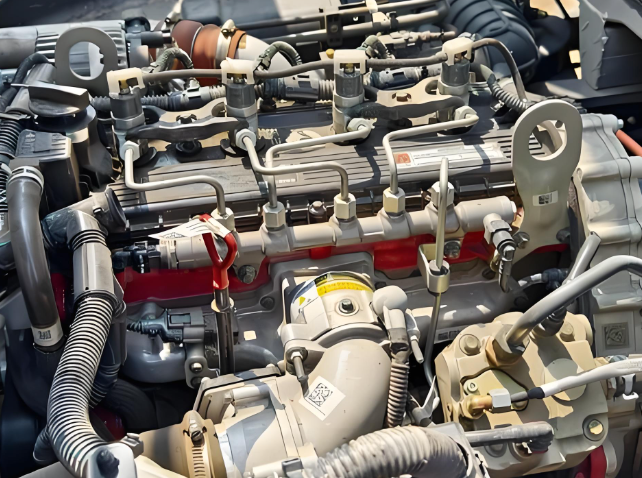
cummins engine problems
3. Excessive Smoke
The exhaust smoke color is one of the indicators used to gauge the combustion process. Different colors mean different problems.
Black smoke is associated with poor combustion resulting from low air intake or high injection of fuel. White smoke is common during cold starting or where there is poor atomization of the fuel. Blue smoke means that oil is leaking into the combustion process, possibly due to leakage through damaged pistons.
All of these problems could be due to the failure of the air intake, fuel injection, or turbocharger.
4. Loss of Power
Power loss is one of the most noticeable problems for operators, directly affecting equipment productivity. It is often associated with the intake, fuel, or turbocharging systems.
• Clogged air filter restricting airflow
• Reduced fuel system efficiency or unstable fuel pressure
• Decreased turbocharger performance leading to insufficient boost
Additionally, exhaust system restrictions can also impact engine performance. Regular inspection of air filters and turbo systems is recommended to ensure proper airflow and optimal engine output.
5. Fuel System Issues
The fuel system plays an important role in diesel engine performance. Any failure may directly impact the efficiency and stability of the engine.
The possible failures of the system may consist of fuel pump pressure reduction, poor performance of the injector in terms of atomization and fouling, or poor quality fuel.
As a consequence, there may be fuel wastage, problems with engine start, and loss of power. In order for Cummins engines to operate properly, the diagnosis of the fuel system is extremely important. Use high-quality fuel and change filters often.
Cummins Engine Repairs Guide
When performing Cummins engine repairs, it is recommended to follow a systematic, step-by-step troubleshooting approach. A structured diagnostic process not only helps identify the root cause more quickly but also avoids unnecessary disassembly, saving both time and cost.
1. Check the Fuel System
The fuel system is the foundation of any diesel engine and is essential for its proper operation. It is necessary to check whether the fuel lines are leak-free and free of air entry and obstructions. Also, check whether the fuel filter is working well and the quality of the fuel.
Any problem related to the fuel system may result in problems like hard starting and lack of power.
2. Inspect the Air Intake System
Proper air intake is essential for efficient combustion. Inspect whether the air filter is clogged or heavily contaminated, and check the intake piping for leaks, damage, or deformation.
Restricted airflow can result in incomplete combustion, which may cause black smoke and reduced engine performance.
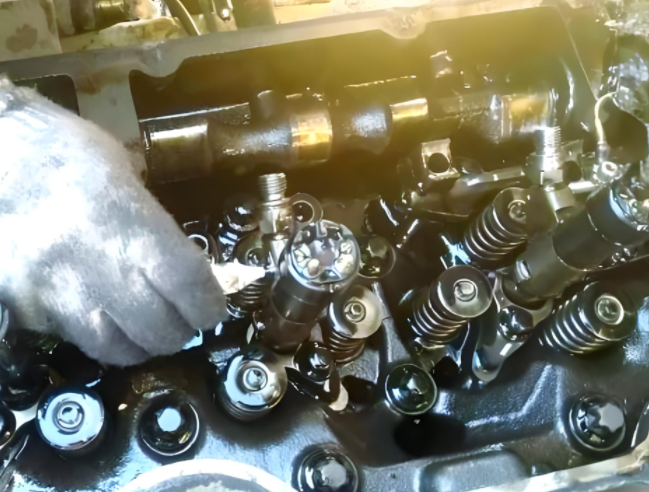
3. Examine Injector Condition
Fuel injectors play a critical role in fuel atomization and combustion efficiency. During troubleshooting, check for carbon buildup, clogging, or poor spray patterns.
If necessary, remove the injectors for inspection or use professional testing equipment to evaluate spray uniformity and pressure performance.
4. Check the Turbocharger
The turbocharger directly affects intake pressure and overall engine output. Inspect for signs of wear, unusual noise, oil leakage, or abnormal rotation.
A failing turbocharger can lead to reduced power and may also be accompanied by abnormal exhaust smoke.
5. Read ECU Fault Codes
New engines manufactured by Cummins have an Electronic Control Unit (ECU) where the fault codes are stored, and they can be viewed using diagnostic software.
When evaluating these codes together with the results of inspection, a technician can immediately pinpoint the problem at hand and enhance diagnostic accuracy.
In order to enhance the process of repairing machines, one must establish a step-by-step process of troubleshooting. Using logic, starting from the most obvious to the least obvious causes of problems and from the simplest to the most complicated tests, you will succeed.
Why Choose Genuine Cummins Engine Parts?
In all Cummins engine repairs, the quality of parts directly determines the effectiveness of the repair and the engine’s long-term reliability. Choosing the right components not only ensures that current issues are properly resolved, but also has a significant impact on future operating costs and performance stability.
1. Perfect Fit
Genuine Cummins spare parts are manufactured and designed to fit perfectly with the engine. It is characterized by high precision when assembling the parts due to compliance with certain parameters and dimensions. Therefore, no modifications will be required to ensure precise assembly.
However, imitation components often do not have exact fitments, which can significantly reduce their performance.
2. Durability
Authentic Cummins components have higher material specifications and more precise manufacturing procedures, giving them excellent durability and fatigue resistance. They will continue to perform reliably regardless of how much work they do over time.
The use of high-quality components is an easy way to minimize repair costs and extend the service life of parts.
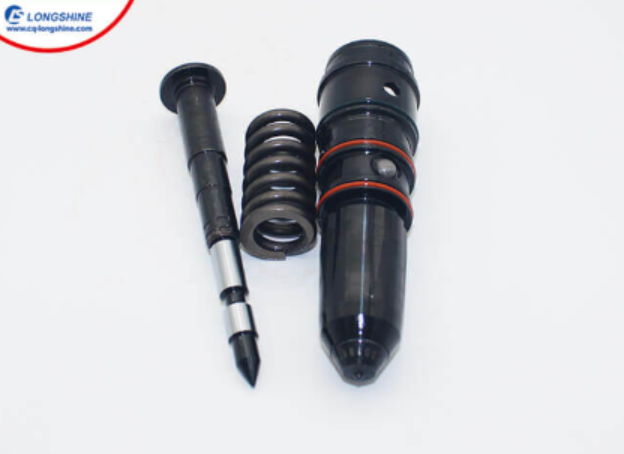
3. Stable Performance
Engine performance depends on the seamless coordination of all components. Genuine parts help ensure that critical systems—such as fuel delivery, air intake, and power output—operate at optimal levels, maintaining overall engine efficiency and stability.
Using lower-quality aftermarket parts may result in reduced power, increased fuel consumption, and even potential safety risks.
4. Warranty Support
Original replacement parts usually have warranties, thus offering better service and protection in case of any faults or malfunctions. This minimizes the operational risks involved and ensures one has more peace of mind when maintaining their machinery.
Counterfeit parts do not offer comprehensive warranties in most cases, and hence there is a possibility that repair expenses will go up in case there is a problem with the parts used.
While counterfeits might be cheaper initially, they have the potential of causing other faults in the future owing to the poor quality and reduced life span. Thus, using original Cummins Engine parts would be a wiser choice.
When Do You Need Professional Cummins Repair Services?
For complicated and serious problems, professional assistance for Cummins engine repair is advised to prevent any possible damage.
1. Engine Fails to Start
If the engine cannot start after multiple attempts, and basic causes such as battery or fuel issues have already been ruled out, the problem may involve the ECU, fuel injection system, or electrical wiring. These issues require professional diagnostic tools for accurate identification.
2. ECU or Electronic System Malfunction
If warning lights appear frequently, the engine enters limp mode, or operation becomes unstable, it often indicates an electronic control system issue. These faults are complex and should not be repaired without professional expertise.
3. Significant Power Loss
If there is a clear reduction in engine power which cannot be regained even after operating normally, the problem may be attributed to the turbocharger, the fuel system or internal wear which needs to be checked by professionals.
4. Engine Overhaul Required (Overhaul)
In case the engine has become worn down due to heavy usage or any major damage to its parts, then a complete dismantling and rebuilding of the engine is needed. Such services should only be performed by professional mechanics who will use proper parts that guarantee proper functioning of the engine.
Generally, when the problem has something to do with electronic controls or core engine parts, then it is always advisable to call for professional help so that the repairs will be done effectively and safely.
Preventive Maintenance Recommendations of Cummins Engine
Instead of frequent repairs, it is more cost-effective and reliable to focus on preventive maintenance in advance. This approach can significantly reduce the occurrence of Cummins engine repairs and extend the overall service life of the engine.
1. Regular Oil and Filter Changes
Engine oil is responsible for lubrication and cooling. Over time, it degrades and accumulates contaminants. If not replaced regularly, it can increase internal engine wear. Oil filters and fuel filters should also be changed according to the maintenance schedule to keep the system clean and stable.
2. Inspect the Cooling System Condition
The cooling system is critical for preventing engine overheating. Regular checks should include coolant level, potential leaks, and whether the radiator is clogged with dust or debris. Ensuring proper heat dissipation helps maintain stable engine operation.
3. Use High-Quality Fuel
The quality of fuel will directly impact how your engine functions. If you are using poor quality fuel, it may have contaminants in the form of water, resulting in clogged injectors and even faulty fuel combustion. The best way to go about this would be to use good quality fuel that meets all standards.
4. Regular Inspection of Injectors and Fuel Pump
Injectors and the fuel pump are core components of the fuel system and can wear over time. Regular testing of injection performance and fuel pressure helps detect early issues and prevents minor problems from developing into major failures.
Systematic preventive maintenance can greatly reduce the frequency of engine failures, ensure stable and efficient operation, and lower long-term repair costs.
Final Words
As for the Cummins engine repair process, it is always important to pay close attention to the quality of spare parts used in order to guarantee good results and successful repair of an engine in question. Sometimes, although there might be a precise diagnosis of faults, low-quality spare parts can still ruin everything.
As a professional Cummins engine parts supplier, Longshine guarantees its customers original genuine Cummins engine components of top-notch quality offered at reasonable prices.