
Do 6.7 Cummins Injectors Need to Be Programmed?
When replacing or repairing injectors on a 6.7 Cummins engine, many vehicle owners and technicians encounter a key question: Do 6.7 Cummins injectors need to be programmed?
At first glance, this may seem like a simple yes-or-no question, but in reality, the answer is more nuanced. Whether injector programming is required depends on several factors, including the injector type, the engine model year, and whether the injector is an OEM unit, a remanufactured injector, or an aftermarket replacement.
In this article, we will systematically explain whether 6.7 Cummins injectors require programming from the perspectives of technical principles, real-world applications, and hands-on service experience. The goal is to help you make the right decision when replacing injectors, avoiding unnecessary problems, improper repairs, and extra costs.
Basic Principles of the 6.7 Cummins Fuel Injection System
The 6.7 Cummins engine employs a common rail fuel injection system (known as common rail fuel injection) that cycles on 1 injection each time.
In this high-pressure common rail delivery system, each injector has an assigned specific factory calibration plus a unique injector trim code that is more properly called as an injector calibration code.
This calibration code provides the ECM with critical information like true fuel delivery deviation as restrictively for a particular injector, injection response, controlled data end for injection timing.
The ECM uses this data to fine-tune fuel injection for reliable combustion, proper fuel economy, and appropriate emissions control under different operating conditions.
Therefore, the repletion of the injector trim code back to ECM after injector rep;lacement becomes a significant relevant factor.
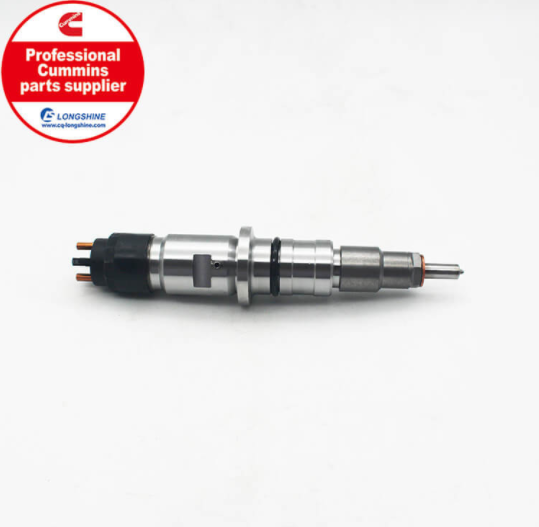
Do 6.7 Cummins Injectors Need to Be Programmed?
Short answer:
In most cases, YES—6.7 Cummins injectors do need to be programmed after replacement, but not every situation requires it.
Injector calibration is often needed as a means of delivering fuel correctly whenever the ECM needs injector-specific calibration data. Modern 6.7 Cummins engines have all their relative powers, efficiencies, smooth running, and emissions compliance numbers based on these calibrations. The ECM is unable to offset because it missed the injector trim codes.
However, in some rare configurations with injector design, engine model year, or the nature of the replacement injectors, injectors may function without programming! Often, side effects of running as such are rough idle, increased engine noise, loss of fuel economy, or potentially totally messed up operation down the line.
Below, we’ll break down the different scenarios to clearly explain when injector programming is required, when it may be optional, and the risks of skipping it, helping you make the right decision during a 6.7 Cummins injector replacement.
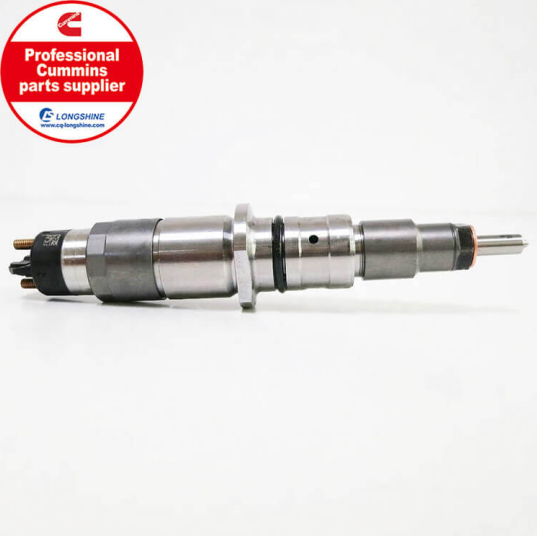
When is Injector Programming Required for a 6.7 Cummins?
Injector programming is actually unavoidable during a Cummins 6.7 vehicle-injector (service) or installation.
1. Replacement of New OEM Injectors
Genuine Cummins OEM injectors comply with a unique, one-time calibration code, calibrated individually one by one during each production stage. One needs to use a factory scanner to program this code into the ECM after attachment.
The ECM will not be aware of the injector’s flow volume profile without programming, thereby likely causing intermittent rough idle, more combustion noise, poor fuel mileage, or fault codes.
2. Installation of Remanufactured Injectors
During their remanufacture process, remanufactured high-quality injectors will most likely be retested and recalibrated, bearing any new and quite different calibration codes from the serial-number-based codes of the initial injectors.
Incorporation of these exact codes in the ECM program is essential for the accurate metering of the fuel. Skipping this step would nullify all benefits you may get by properly installing high-quality remanufactured injectors, causing driftability or performance problems.
3. ECM Replacement or Software Updates
Whenever the Engine Control Module is swapped or its software is updated, any stored injector calibration data will definitely be lost or cleared out. The ECM will need those injector trim codes to really control the fuel injectors correctly.
This step would become paramount following significant and comprehensive system upgrades, as improperly sized or missing injector data could transform into rougher engine idling and a lessening of the strength of emission controls.
4. Certain 6.7 Cummins Model Years
Some model years, namely 2007.5-2018 6.7 Cummins engines, are in need of stricter standards for injector calibration and harmony requirements. Furthermore, for those power plants, the interrelations with individual injectors become more and more important through data in meeting each of the performance and emissions mandates.
The injector programming, thus, is highly needed and often inevitable with those engines after injector change, irrespective of whether it runs up normally at the beginning or not.
In comparison, achieving good injector programming in all situations results in efficient and perfect combustion, with less wear on engine components, and helps reduce chances for negative long-term results, thus converting itself necessarily into a best practice from an optional step.
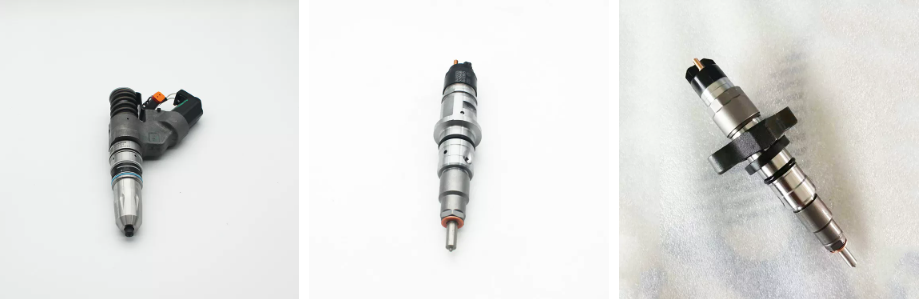
When Might Injector Programming Not Be Required?
Not every injector replacement on a 6.7 Cummins engine strictly requires programming. In the following situations, injectors may be installed and operated without additional programming, though certain conditions must be met:
1. Pre-Matched and Pre-Coded Injector Sets
Some injector kits are factory-matched and pre-coded before delivery. In these cases, the injectors are calibrated as a set, and their coding is designed to work within the ECM’s existing parameters.
When installed correctly, these injectors may not require additional programming, especially if the supplier clearly states compatibility with the original ECM configuration.
2. Certain High-Quality Aftermarket Injectors
Reputable aftermarket injector manufacturers may design their products to closely match OEM calibration logic, allowing the ECM to operate within acceptable adjustment ranges without entering new trim codes.
While this can reduce the need for programming, results may vary depending on engine condition, software version, and emissions requirements. Careful supplier selection is critical in this scenario.
3. Replacing Injectors with Identical Specifications in the Same Positions
Under very specific conditions, reprogramming might not be necessary, that is if the same fuel flow and particularities applicable to each cylinder’s injectors are put back in their original places.
Nevertheless, this almost never happens, and enough error should be allowed, particularly in the case of engines with high mileage or tail-pipe emissions.
Important Note:
The idea of avoiding programming the injectors does not imply that it should be avoided. For the correct performance and reliability of the engine, programming will ensure that all the right respect is paid. Proper programming will attain smooth working order, consistent combustion, reduced wear on all parts deemed not necessary, and be emissions-friendly.
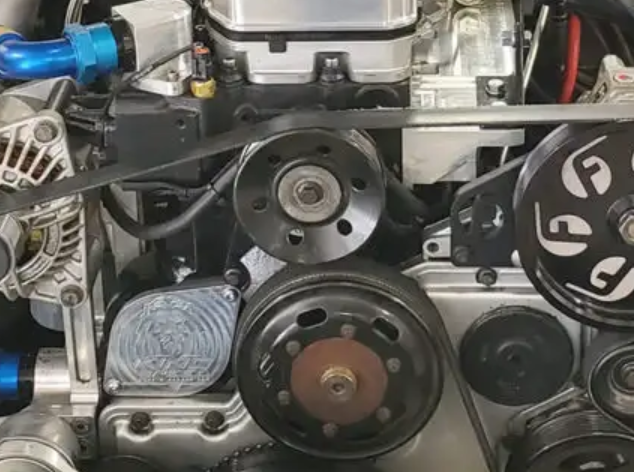
What Happens If 6.7 Cummins Injectors Are Not Programmed?
Injectors that are not properly programmed may appear to function normally at first, but over time they can cause a range of performance, efficiency, and reliability issues. Common consequences include:
Rough or Unstable Idle
Without correct injector trim data, the ECM cannot accurately balance fuel delivery between cylinders, leading to uneven combustion and noticeable engine vibration.
Hard Starting or Delayed Cold Starts
Improper injection timing and fuel quantity, especially during cold starts, can make the engine slow to fire or require extended cranking.
Abnormal Exhaust Smoke (Black or White Smoke)
Over-fueling may produce black smoke, while incomplete combustion or timing issues can result in white smoke, both indicating inefficient combustion.
Increased Fuel Consumption
When the ECM cannot fine-tune injection precisely, it often compensates by delivering extra fuel, reducing overall fuel efficiency.
Diagnostic Trouble Codes (DTCs) or a Check Engine Light
Persistent fuel imbalance or combustion irregularities may trigger fault codes related to injectors, misfires, or emissions systems.
Sluggish Throttle Response and Reduced Power
Inaccurate injection control can cause delayed acceleration, inconsistent power delivery, and a noticeable drop in engine performance.
Significant deviations from injector flow rate in the more severe cases lead to settings that are amenable to abnormal combustion, in turn, placing additional stress on pistons, valves, and other internal components and increasing temperature in the exhaust gas. Over time, this effect will shorten the life of the engine and increase repair costs.
This is why the significance of accurate adjusting of injectionors extends beyond the immediate drivetrain and toward the long-term welfare of the 6.7 Cummins engine.
How Are 6.7 Cummins Injectors Programmed?
Injector programming on a 6.7 Cummins engine typically requires professional diagnostic tools and proper technical knowledge. Common methods include:
- Cummins INSITE diagnostic software, which is the factory-recommended tool
- Compatible heavy-duty or diesel engine scan tools that support injector trim programming
- Authorized service centers or experienced diesel technicians, who are familiar with Cummins ECM systems
Basic Programming Process
While the exact steps may vary by model year and software version, the general procedure includes:
- Reading the injector calibration (trim) codes from the injectors themselves
- Connecting to the ECM and accessing the injector or fuel system configuration menu
- Entering the correct injector code for each cylinder according to its position
- Saving the data and verifying system operation, ensuring the engine runs smoothly and no fault codes are present
Because incorrect coding or cylinder misassignment can lead to drivability issues or engine damage, injector programming is not recommended for inexperienced individuals. Having the procedure performed by a qualified technician helps ensure accuracy, safety, and long-term engine reliability.
Differences in Programming Requirements: OEM vs. Aftermarket Injectors
In real-world service and repair scenarios, injector programming requirements vary significantly depending on injector type and quality. Understanding these differences can help avoid unnecessary issues after installation:
OEM Injectors
In most cases, OEM injectors just must undergo programming not less than requirements.
Factory-made individual calibration for each injector, and it is the different trim code the ECM always utilizes for passing fuel control. Skipping programming with OEM injectors will cause significant performance symptoms and in many instances, fault codes or emissions-related concerns.
High-Quality Aftermarket Injectors
There are some good quality injectors with aftermarket designs, engineered to increasingly resemble the OEM calibration logic and flow characteristics. In some cases these injectors might fall within the adaptive range of the ECM lessening or simplifying programming steps.
Even with high-quality aftermarket injectors, programming is to be recommended provided it’s feasible, ensuring optimal performance and durability.
Low-Quality or Poorly Matched Injectors
Low-quality injectors often suffer from inconsistent calibration, unstable flow rates, and poor response characteristics. These injectors are far more likely to cause rough running, excessive smoke, fault codes, and accelerated engine wear, regardless of whether programming is attempted.
In such cases, programming alone may not resolve the underlying issues.
Key takeaway:
When selecting injectors, price should not be the only consideration. Calibration consistency, manufacturing quality, and ECM compatibility are far more important factors that directly affect programming requirements, engine performance, and overall durability.
Practical Tips for Replacing 6.7 Cummins Injectors
When replacing injectors on a 6.7 Cummins engine, paying attention to certain details can make a significant difference in performance, reliability, and longevity:
Verify Injector Calibration Codes Before Replacement
Always check whether the new or remanufactured injectors come with proper trim codes. Missing or incorrect codes can cause drivability issues and make programming impossible without additional steps.
Replace Injectors in Sets or Matched Groups When Possible
For engines with multiple cylinders, replacing all injectors, or at least matching sets, is recommended. This ensures consistent fuel delivery across cylinders and prevents imbalances that can lead to rough idle, smoke, or uneven power output.
Check Whether ECM Learning Values Need Resetting
After installation, the ECM may need to relearn injector behavior or reset adaptive fuel tables. Performing this step helps the engine adjust to the new injectors and prevents lingering error codes or drivability issues.
Choose Suppliers Familiar with Cummins Systems
Generally, problems in programming or calibration by untrained suppliers may lead to an incompatible injector-key-programming-cum-ECM interface. This makes these details the real-world success or otherwise of such a venture for injector replacement, in terms of fuel efficiency, engine smoothness, and, most economical of all, life itself.
Hence, this has suggested an injection; whether well programmed and inherited from the knowledge deemed necessary for all new injectors, seemingly clearly ready to hide it well. Any alternative would take longer to rectify.
Summary
Returning to our starting place, one wonders, “Does the 6.7 Cummins injectors need to be programming?” The answer compels an affirmative nod toward the requirements of the injectors; most instances require programming.
By maintenance personnel or by the parts buyer acquiring these injectors type, this subject, where “programming is a necessity” become a significant factor to discuss while these decisions should depend upon the engine status and the specific injector type.
If you are looking for genuine Cummins parts, Longshine is a great choice!