
How to Tell If Your Fuel Pump Is Bad (Before Your Car Breaks Down)
Many car owners have had similar experiences: one morning when they were about to go out, they turned the key but couldn’t start the car for a long time. Or while driving, the vehicle’s power suddenly weakens, or it even stalls directly. On the surface, it may seem like a “minor malfunction”, but the real cause behind it often points to a component that is easily overlooked – the fuel pump.
Once a fuel pump malfunctions, it rarely breaks down gradually. More often than not, it suddenly causes the vehicle to lose power. Therefore, it is extremely important for every car owner to learn to determine in advance whether the fuel pump is abnormal.
This article will help you identify potential hazards as early as possible before a real breakdown from multiple aspects such as the function of the fuel pump, early signs of damage, self-inspection methods, risks and prevention.
Where Is The Fuel Pump Located?
In simple terms, the function of a fuel pump is to transport fuel from the fuel tank to the engine, providing a continuous and stable power source for the vehicle.
Apart from functionality, a point that many car owners tend to overlook is that the location of the fuel pump varies depending on the vehicle model.
- For most sedans and SUVs: The fuel pump is usually located inside the fuel tank and delivers fuel to the engine through pipelines within the tank.
- For some older models or light trucks: The fuel pump may be external, installed on the outside of the fuel tank or in the fuel line.
- Hybrid or electric-assisted models: The structure may be more complex, with the fuel pump integrated within the power system, requiring professional disassembly for inspection.
Knowing the location of the fuel pump, when you encounter difficulties in starting or insufficient power, you can more accurately determine the source of the abnormality, and it is also convenient for subsequent detection and maintenance.
As long as the vehicle is in motion, the fuel pump is always working. Once its fuel supply capacity weakens or is interrupted, the engine will experience a situation of not having enough fuel, followed by difficulties in starting, reduced power, and even direct stalling.
It is precisely for this reason that although the fuel pump is not a frequently discussed component, it determines whether a vehicle can run normally.
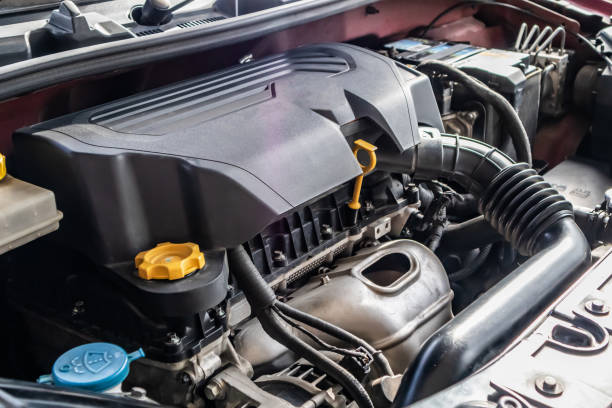
7 Early Signs That a Fuel Pump Is About To Break Down
Before a fuel pump fails completely, it usually releases some signals. If you have already encountered any of the following situations, you must be highly vigilant.
1. The vehicle starts slowly and even requires multiple ignitions
If you find that starting your vehicle is more difficult than before, the ignition time is longer, or it takes multiple attempts to start, this is very likely related to insufficient fuel supply from the fuel pump.
2. Weak acceleration and a significant decline in power
When the accelerator is pressed, the vehicle’s response slows down and the acceleration is no longer smooth. It seems that the power system is aging, but in fact, it could also be that the fuel supply cannot keep up with the engine’s demand.
3. There is a jolt when driving at high speed
During high-speed or continuous acceleration, if a vehicle occasionally experiences obvious lag or briefly loses power, an unstable fuel pump is one of the common causes.
4. Occasionally stalling while driving
If the engine suddenly stalls during normal driving and can be restarted after a short period of time, this is often an abnormal phenomenon caused by an interruption in fuel supply.
5. Abnormal increase in fuel consumption
When the fuel pump operates unstably, the fuel supply control accuracy will be affected and fuel consumption may also increase accordingly.
6. An abnormal humming sound occurred near the fuel tank
After the vehicle starts, if you can hear a louder abnormal noise at the fuel tank position than usual, it is very likely that the internal operation of the fuel pump is no longer normal.
7. The engine fault light on the dashboard lit up
Although there are many reasons for the engine warning light to come on, abnormal fuel system is also one of the more common types.
These signs are easily overlooked when they occur alone, but if multiple phenomena occur simultaneously, they must be given sufficient attention.
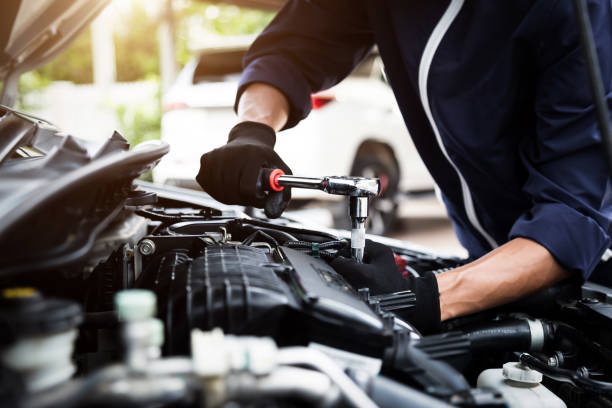
Three Preliminary Methods For Checking Fuel Pumps That Can Be Done At Home
Not all car owners have detection equipment, but through some simple methods, a preliminary judgment on the condition of the fuel pump can also be made.
Listen to the sound
When turning the key to the power-on state before starting, pay attention to whether there is a brief and uniform working sound near the fuel tank. If there is no sound at all, it indicates that the fuel pump may not be able to start normally.
Check if the acceleration is continuous
When driving on a safe section of the road, gently press the accelerator to check if the acceleration is smooth. If there is a distinct sense of discontinuity, it is necessary to further inspect the fuel system.
Observe whether it is becoming increasingly difficult to start
If the situation of difficulty in starting becomes more and more frequent, it can basically be judged that the fuel supply system is gradually deteriorating.
It should be noted that these methods can only serve as preliminary references. Whether to replace the fuel pump in the end is still recommended to be confirmed by maintenance personnel using professional equipment.
Can The Fuel Pump Still Be Used If It Breaks Down?
This is the issue that many car owners are most concerned about, but the answer is not optimistic.
Continuing to drive when the fuel pump has already shown obvious abnormalities may bring the following risks:
- The vehicle suddenly stalled during the journey, posing a safety hazard
- Frequent start-up failures increase the burden on the battery
- Abnormal fuel supply may affect the normal operation of the fuel injection system
If you have already encountered situations such as frequent engine stalling, severe power deficiency, and inability to start in one attempt, it indicates that the fuel pump is approaching its limit. Under such circumstances, it is not recommended to continue driving.
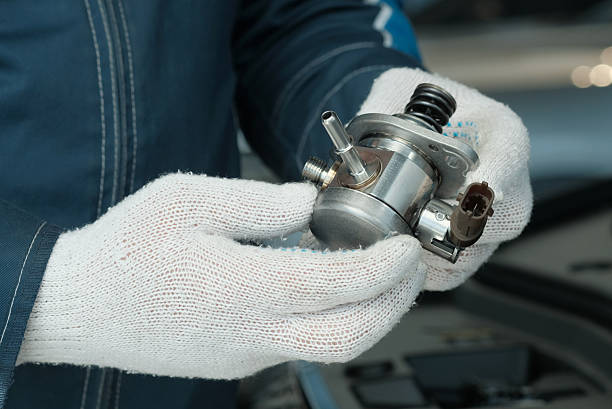
Why Does The Fuel Pump Fail Prematurely?
Under normal usage conditions, the lifespan of a fuel pump is not short. However, the following several driving habits will significantly shorten its service cycle:
- Often keep driving with very low fuel levels
- Long-term use of fuel with unstable quality
- There are many impurities in the oil circuit and the filter has not been replaced in time
- Frequent high-load driving keeps the fuel system under high pressure for a long time
All these factors will keep the fuel pump in a state of high-load operation for a long time, accelerating its aging.
How to Effectively Prevent Premature Damage of Fuel Pumps?
To make the fuel pump last longer, it’s actually not complicated. Just pay attention to the following points in daily life:
- Try to keep the fuel level no less than a quarter of the tank
- Replace the fuel filter regularly
- Choose a regular gas station to refuel
- When abnormal noise or abnormal startup is detected, check as soon as possible
These details may seem simple, but they are the most effective way to extend the lifespan of the fuel pump.

Conclusion: Early Detection Is More Important Than Post-Event Repair
The fuel pump is not a component that is easy to compromise on. Once a serious malfunction occurs, the vehicle often loses its driving ability directly. It is better to pay attention to the early signs when they appear than to wait until the vehicle breaks down halfway.
For most car owners, identifying problems in advance and promptly inspecting and handling them is far more worry-free and safer than costly repairs afterwards.
Should you require high-quality, dependable fuel pump components, Longshine fuel pumps and associated accessories undergo rigorous testing and quality control. This ensures stable fuel delivery and long-term durability, safeguarding your vehicle’s performance.
FAQ
Q1: How long can a fuel pump generally be used?
Under normal usage conditions, most fuel pumps can be used for 8 to 10 years or even longer, depending on driving habits and fuel quality.
Q2: Will a damaged fuel pump damage the engine?
Insufficient fuel supply for a long time may lead to incomplete combustion, indirectly affecting the engine condition.
Q3: Is the cost of replacing the fuel pump high?
The prices of different models vary greatly. Generally, they include parts and labor costs. It is recommended to consult the repair point in advance.
Q4: Can the fuel pump still be kept running temporarily if it weakens?
Short-term low-speed driving poses relatively controllable risks, but it is not recommended to delay for a long time.