
How to Identify Genuine Cummins Engine Parts?
Every year, counterfeit engine parts quietly make their way into repair shops, fleet warehouses, and online storefronts — and Cummins is one of the most copied brands in the heavy-duty engine market. The problem is not just about money. A fake fuel filter or counterfeit injector seal can push an engine past its limits without any warning signs until something breaks.
If you manage a fleet, run a repair business, or are simply buying replacement parts for a Cummins-powered vehicle, knowing how to tell real from fake is a practical skill. This guide walks you through exactly what to look for, starting from the packaging all the way to where you buy.
Why Counterfeit Cummins Parts Are a Real Problem
Cummins is one of the most recognized diesel engine brands in the world, which makes it a prime target for counterfeiters. According to Cummins’ own anti-counterfeiting program, fake parts have been found in markets across North America, Europe, and Asia — often sold at prices that seem like a deal but carry serious hidden costs.
The typical outcome of installing a counterfeit part is not immediate failure. Instead, performance quietly degrades over weeks or months including fuel efficiency drops, emissions climb, and components wear faster than they should. By the time something breaks, the original bad part is long forgotten, and the repair bill is substantial.
Beyond the mechanical damage, using non-genuine parts can void your Cummins warranty entirely. That alone makes verification worth the effort before anything goes into the engine.
Start with the Official Verification System
Cummins has built a verification infrastructure specifically because counterfeiting has become so widespread. Before examining any physical part, it is worth knowing what tools are available to you.
QR codes and DataMatrix codes are printed on genuine Cummins packaging. Scanning them through the Cummins Parts Verification portal connects you directly to the product record in Cummins’ database. If the code does not scan, redirects you elsewhere, or returns no record, treat that as a red flag.
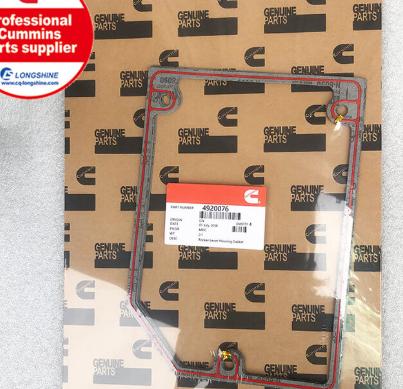
Holographic labels appear on many genuine Cummins parts. These shift color when tilted and cannot be cleanly reproduced with standard printing equipment. Counterfeit holograms tend to look flat, with colors that do not shift properly under light.
Cummins also maintains a network of authorized dealers globally. You can search for one using the Cummins Dealer Locator. Buying directly from an authorized source does not eliminate the need for part-level checks, but it significantly reduces the risk of receiving fake stock.
What to Look for on the Part Itself
Physical inspection is where most people can catch obvious fakes without any special tools. Here are the specific things to check.
Packaging quality — Genuine Cummins packaging is printed with sharp, consistent text and clean color registration. Logos are precise, not blurry or slightly off-center. The box material itself feels sturdy. Counterfeit packaging often has slightly washed-out colors, uneven text kerning, or a flimsiness that becomes obvious when you compare it to a genuine box side by side.
Part number format — Every genuine Cummins part has a part number that follows a specific alphanumeric format. Check that the number on the part matches the number on the box, and cross-reference it using Cummins’ QuickServe Online parts catalog. Mismatched numbers, unusual fonts, or inconsistently spaced characters are common signs of a fake.
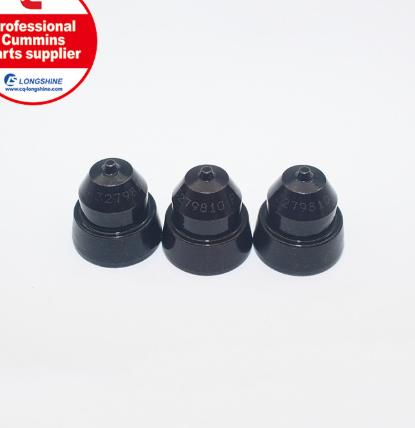
Surface finish and machining quality — Genuine Cummins parts are manufactured to tight tolerances. Metal surfaces should look uniform, with consistent coating or finish throughout. Casting marks (where molten metal was poured into a mold) should be clean and defined. On counterfeit parts, you often see rough edges, uneven coating, or visible casting flaws that genuine manufacturing would have caught.
Weight — This one is easy to overlook but surprisingly useful. Counterfeit parts are frequently made from lower-grade alloys to cut costs, which changes the weight noticeably. If you have access to a genuine part for comparison, a simple hand-weight check can tell you something is off.
Included documentation — Most genuine Cummins parts come with a product datasheet, quality certificate, or inspection slip. These documents have consistent formatting and branding. If the box is missing documentation entirely, or if what is included looks like a low-resolution printout, that is worth questioning.
Where You Buy Matters as Much as What You Buy
Even a part that passes visual inspection can still be counterfeit if it came from the wrong place. The supply chain is where most fake parts enter circulation.
Authorized dealers are the safest option. Cummins maintains strict standards for its dealer network, and parts sourced directly from authorized dealers come with traceability back to the factory. Learn about Longshine
Third-party suppliers and wholesalers require more scrutiny. This does not mean they are unreliable — many legitimate distributors carry genuine Cummins stock — but it does mean you should ask for documentation. Request the supplier’s Certificate of Conformance (COC) and verify that it corresponds to the batch you are purchasing.
Online marketplaces are the highest-risk channel. Listings on open platforms can come from any seller, and the combination of low price, vague seller location, and minimal product documentation is a pattern that shows up consistently in counterfeit cases. Prices that are 30–40% below the market average without a clear explanation deserve serious skepticism.
One practical step before committing to a new supplier: ask them directly which authorized Cummins distributor they source from. A legitimate supplier will have a clear, verifiable answer. Vague responses or an unwillingness to share that information are signs to walk away.
Advanced Checks for Higher-Stakes Purchases
If you are buying in volume or procuring parts for critical applications, a few additional steps are worth the time.
Cummins INSITE and QSOL are diagnostic and parts management platforms used by Cummins service professionals. QSOL in particular lets you verify part compatibility and cross-reference part numbers against Cummins’ database. Access to these systems is typically through authorized service centers, but if your team manages a large fleet, it may be worth establishing a service relationship that includes access.
Third-party material testing is available for high-value components like injectors, turbochargers, or engine bearings. Labs offering spectrometric analysis can confirm whether the alloy composition of a metal part matches Cummins’ specifications. This level of verification is usually reserved for bulk purchases or situations where the supply chain cannot be clearly established.
Report suspected fakes — Cummins actively investigates counterfeit reports. If you encounter parts that you believe are fake, you can contact Cummins directly through their anti-counterfeiting reporting page. Reporting helps protect others in your industry and can assist in removing fake products from circulation.
FAQs
Can I verify a Cummins part using its serial number online?
Yes, in many cases. Cummins’ parts verification portal and QuickServe Online allow you to look up part numbers and check compatibility. Not every part has a scannable code, but entering the part number manually is an option for most components.
What should I do if I suspect I’ve already installed a counterfeit part?
Stop using the equipment if there are any signs of abnormal performance, and contact an authorized Cummins service center. They can inspect the part and advise on replacement. Document the purchase, including receipts and supplier information, in case a warranty or legal claim is relevant.
Are remanufactured Cummins parts considered genuine?
Cummins operates its own remanufacturing program under the ReCon brand. Parts produced under this program are genuine and carry a Cummins warranty. Aftermarket remanufactured parts from third parties are not the same, they may be functional, but they are not Cummins-certified and do not carry the same backing.
What is the best way to report counterfeit Cummins parts?
You can report directly through Cummins’ website or contact your regional Cummins representative. Providing as much detail as possible including seller information, part numbers, and photos makes the report more actionable.