
How Many Valves Does a 6.7 Cummins Have?
If you are looking for the answer to “how many valves does a 6.7 Cummins have,” you have come to the exact right place.
In short, every single 6.7L Cummins turbo diesel engine produced since its introduction in mid-2007 features a 24-valve design.
In this article, we will break down the valve configuration, structural features, and differences between older generations of the 6.7 Cummins to help you accurately select related parts such as valves, rocker arms, pushrods, valve springs, and cylinder heads.
How Many Valves Does a 6.7 Cummins Have?
A 6.7L Cummins engine has 24 valves in its standard 24-valve configuration.
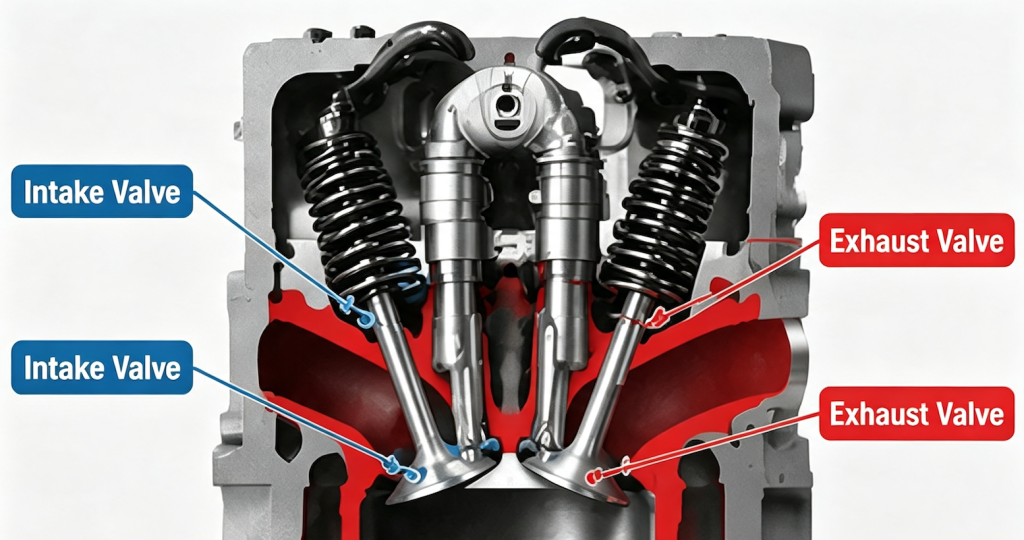
The 6.7L Cummins is a 6-cylinder diesel engine with 4 valves per cylinder:
- 2 Intake Valves
- 2 Exhaust Valves
Therefore:
6 cylinders×4 valves per cylinder=24 valves
| Specification | 6.7L Cummins |
| Engine Displacement | 6.7L |
| Number of Cylinders | 6 |
| Valves per Cylinder | 4 |
| Intake Valves | 12 |
| Exhaust Valves | 12 |
| Total Number of Valves | 24 |
| Common Terminology | 24-Valve Cummins |
Thus, whenever you see references to the “6.7 Cummins 24-valve,” it points directly to this 4-valve-per-cylinder layout.
Why Is the 6.7 Cummins Called a 24-Valve Engine?
The 6.7L Cummins is called a “24-valve engine” primarily because of its four-valve-per-cylinder layout.
For a 6-cylinder engine:
6×4=24 valves
Each cylinder typically houses two intake valves and two exhaust valves. The intake valves allow fresh air to enter the combustion chamber, while the exhaust valves allow the burned combustion gases to exit.
This design enables the engine to manage air intake and exhaust processes much more efficiently, which is especially critical for a turbocharged diesel engine.
How Many Intake and Exhaust Valves Does a 6.7 Cummins Have?
In the standard 24-valve configuration, the 6.7 Cummins features:
- 12 Intake Valves
- 12 Exhaust Valves
- 24 Total Valves
Intake Valves
The main function of the intake valves is the regulation of air that enters the engine’s combustion chamber. In the case of diesel engines, it is important to have sufficient quantities of air, and the state of the intake system and intake valves significantly influences the process of combustion and the engine’s performance.
Exhaust Valves
The exhaust valves open when the combustion process has come to its end in order for exhaust gases to leave the cylinder. The malfunctioning of the exhaust valve due to the poor sealing or any other abnormalities in the valve train may affect cylinder compression and engine operation.
How Does the 6.7 Cummins Valve System Work?
The valves in a 6.7 Cummins do not operate in isolation; they coordinate closely with the entire valve train.
A typical valve train consists of:
- Intake valves
- Exhaust valves
- Valve springs
- Rocker arms
- Push rods
- Valve guides
- Valve seats
- Camshaft
- Cylinder head
The camshaft controls the opening and closing timing of the valves based on the engine’s operating cycle, while parts like rocker arms and pushrods help transfer motion from the camshaft to the valves.
Simply put, the entire system relies on precise synchronization:
Camshaft→Push Rod→Rocker Arm→Valve
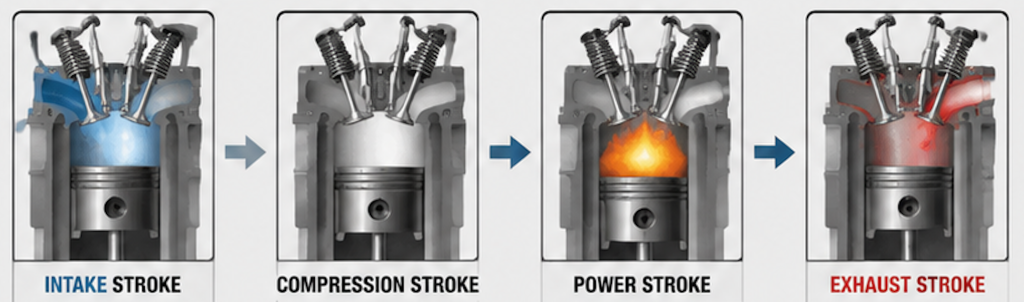
When intake valves open at the right timing, air enters the cylinder; once combustion finishes, exhaust valves open to flush out the spent gases.
Therefore, knowing the valve count is only the first step to understanding the 6.7 Cummins valve system—the match and working condition of every component within the valve train are equally vital.
Why Does the 6.7 Cummins Use 24 Valves?
Adopting a 24-valve structure goes beyond just inflating the valve count; it optimizes the engine’s breathing and breathing efficiency.
Improved Airflow: Using multiple intake and exhaust valves per cylinder helps improve airflow efficiency through the cylinder head and combustion chamber.
Better Combustion Efficiency: Diesel engines require a healthy supply of air. A well-designed intake setup helps the engine pull in sufficient air to support stable combustion.
Supports Turbocharged Performance: Because the 6.7L Cummins utilizes turbocharging, the engine needs to handle heavy volumes of incoming and outgoing air efficiently. A solid valve train helps maintain optimal intake and exhaust throughput.
Improved Engine Performance: Components like valves, camshafts, rocker arms, and pushrods must work together at strict timings. A properly functioning valve train keeps the intake, combustion, and exhaust processes steady.
Are All 6.7 Cummins Engines 24-Valve?
For the 6.7L Cummins, the 24-valve setup is its universally recognized standard configuration. However, when sourcing or replacing parts, you cannot rely solely on the name “6.7 Cummins” to guarantee complete component compatibility.
Different variables matter, including:
- Engine generations
- Model years
- Engine applications
- Emissions configurations
- Engine Serial Number (ESN)
These can all impact the precise compatibility of specific parts. Therefore, if you need to purchase 6.7 Cummins valves or other valve train components, it is recommended to confirm your specific engine model and serial number before placing an order.
For diesel engine parts suppliers, this step is especially crucial, as visually similar parts may not always be directly interchangeable.
6.7 Cummins Valve Adjustment and Maintenance
Beyond knowing how many valves a 6.7 Cummins has, valve lash adjustment and valve train maintenance are critical components of engine service.
Over extended periods of operation, components in the valve train can experience wear, meaning they must be inspected according to the manufacturer’s official service specifications.
Why Is Valve Clearance Important?
Proper valve clearance ensures that valves open and close strictly to engineering design parameters.
Abnormal valve clearance can lead to:
- Increased valve train noise
- Rough engine operation
- Decreased engine performance
- Improper valve sealing
- Accelerated wear on valve train components
Keep in mind that specific valve clearance specs and service intervals vary by exact engine model and should always follow official service manuals rather than applying a blanket parameter to all 6.7L Cummins engines.
Common 6.7 Cummins Valve Problems and Symptoms
As core moving parts working under intense heat, high pressure, and high-speed environments, any wear, carbon buildup, or clearance misalignment in the valves and their components typically manifests through several mechanical symptoms:
Excessive Valve Noise
If a distinct tapping, ticking, or metallic friction sound emanates from the top of the engine during idling or operation, it is typically caused by excessive valve lash, worn rocker arms or bridge, or bent pushrods. Neglecting to adjust valve clearance or replace worn parts will accelerate fatigue damage to mechanical components.
Rough Engine Operation
Unsteady idling, intermittent shaking, or unusual running behavior while driving is often closely linked to valve conditions. When one or more valves fail to open or close fully due to heavy carbon buildup, burning, or sticking, it disrupts the working balance across the straight-six cylinders, causing uneven power delivery.
Loss of Engine Power
If the engine feels sluggish when pressing the accelerator during heavy towing or high-speed passing, with noticeable drops in boost pressure or overall output, valves could be the culprit. Insufficient valve lift or restricted airflow lowers incoming air volume, while poorly sealed closed valves drop effective cylinder compression pressure, resulting in power decay.
Hard Starting (Cold or Warm)
If it takes an extended cranking time or multiple attempts to start the engine, the root cause could be weak compression due to severe valve leakage, which ruins primary combustion conditions alongside potential fuel pressure or injector problems.
Poor Compression
If checked using a compression tester, and some of the cylinders are found having low compression, compared to factory standards, it often means that there has been loss of valve seal. The main causes include valve wear, damage, and burning of the valve face and the seat ring (due to heavy duty or high heat). It may also be linked with worn out valve springs.
Increased Exhaust Smoke
Excessive black, blue, or white smoke from the exhaust points to comprehensive engine issues. While smoke anomalies heavily tie into fuel systems, injectors, or turbochargers, worn valve guides or valve stem seals can allow engine oil to slip down the valve stems into the combustion chamber, causing notable smoke and high oil consumption.
How to Choose the Right 6.7 Cummins Valve Parts?
When you need to replace valves or valve train components for your 6.7L Cummins diesel engine, choosing the right parts is vital to preserving performance and longevity. You can follow these practical steps to select ideal components:
Step 1: Confirm the Specific Engine Version
Since its launch in mid-2007, the 6.7L Cummins has evolved through multiple iterations, featuring different power ratings and emissions setups (such as varying model years of Ram pickups or industrial equipment configurations). Always clarify the precise build year and application tier before buying parts.
Step 2: Check the Engine Serial Number (ESN)
The Engine Serial Number (ESN) is the core identification code for all Cummins engines. This unique 8-digit number contains precise factory production data, ensuring you get cylinder head assemblies, valves, valve springs, and valve guides that align perfectly with your engine’s original build layout.
Step 3: Verify Original Part Numbers
If you are swapping out old components, carefully inspect them for stamped manufacturer part numbers or casting marks. Directly checking OEM part numbers is one of the most reliable ways to secure direct replacements and avoid errors caused by generic catalog searches.
Step 4: Confirm Application and Equipment Type
The 6.7L Cummins serves across heavy-duty environments. Verify that your replacement parts match your specific equipment category, such as:
Pickup Trucks: Heavy-duty passenger pickups (e.g., Ram 2500, 3500, 4500, 5500)
Commercial Vehicles: Medium-duty delivery trucks and utility work trucks
Construction Machinery: Excavators, loaders, and jobsite equipment
Industrial Equipment: Stationary generator sets, water pumps, and power units
Other Diesel Applications: Marine or custom specialty conversions
Step 5: Verify Compatibility with Your Supplier
Before making your final purchase decision, contact a certified dealer or reputable parts provider and share your Engine Serial Number (ESN) or full vehicle information to have it checked professionally. This approach is much more secure and trustworthy than just randomly looking for “6.7 Cummins valves” on the Internet.
Conclusion: Choose Longshine for Precise and Reliable Cummins Parts
Regarding the initial question: How many valves does a 6.7 Cummins have? It’s easy—the answer is that it has 24 valves (4 valves per cylinder in an inline-six arrangement).
Nevertheless, in practice, where one needs to purchase or replace engine components, this information alone is insufficient because, depending on various factors such as engine years, power levels, and operational conditions, exact match for each individual valve, cylinder head, and valve train components plays an important role.
As a professional Cummins supplier, Longshine specializes in supplying top-notch Cummins engines and ranges of core components. Whenever you need Cummins engines and components, do not hesitate to contact Longshine at any time!