Cummins OEM vs Aftermarket Parts: Which is Better to Choose?
In the diesel engine industry, Cummins has long been known for its durability, reliability, and high performance. Whether in heavy-duty trucks, construction machinery, agricultural equipment, or generator sets, Cummins engines are widely used. However, as equipment accumulates operating hours, some components will inevitably wear out or need replacement. At this point, vehicle owners or equipment managers often face an important question: should they choose Cummins OEM vs aftermarket parts? What are the differences between the two?
Here we will provide a detailed introduction to the definitions of OEM parts and aftermarket parts, their key differences, advantages and disadvantages, and the situations in which each option may be the better choice.
What Are Cummins OEM Parts?
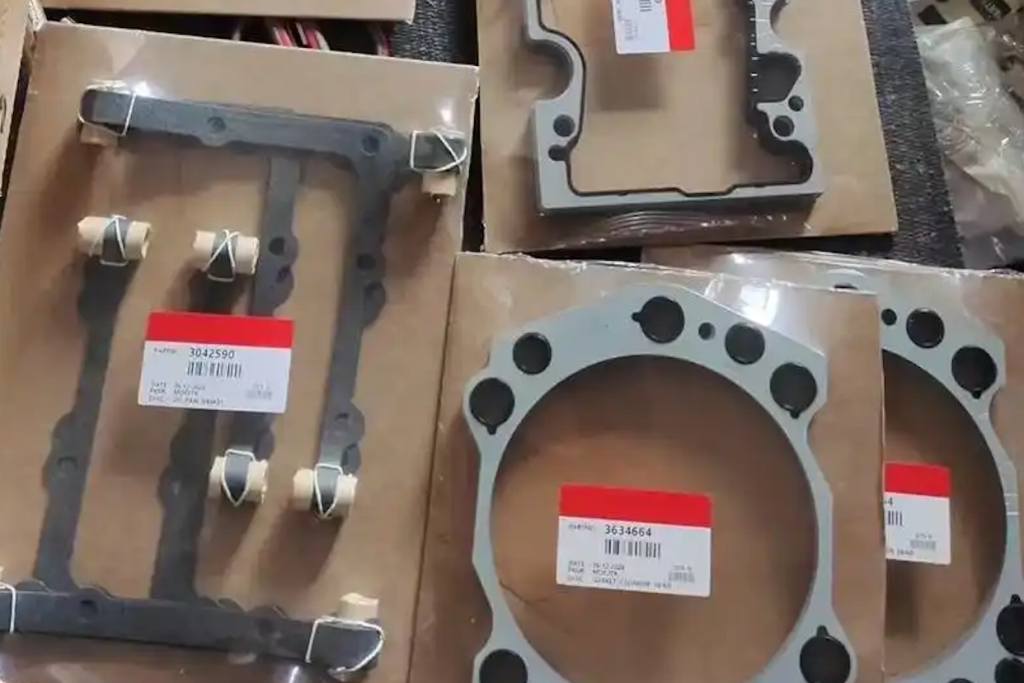
Cummins OEM parts refer to components that are manufactured by the original equipment manufacturer or produced under its authorization. In other words, they are the same parts that were originally installed in the engine when it left the factory. For engines produced by Cummins, OEM parts are typically manufactured either by the company itself or by officially authorized suppliers, and they are produced strictly according to the original factory’s technical standards.
The biggest advantage of OEM parts is their perfect compatibility with the original equipment. OEM fuel injectors and pistons and turbochargers and gaskets are manufactured according to the original design specifications of the engine. The system guarantees accurate installation which operates consistently throughout its lifecycle.
In addition, OEM parts usually undergo strict quality inspections and durability testing. This means they generally offer greater reliability in terms of performance and service life. For many fleet operators and equipment managers, choosing OEM parts is an important way to ensure the long-term stable operation of their equipment.
What Are Aftermarket Cummins Parts?
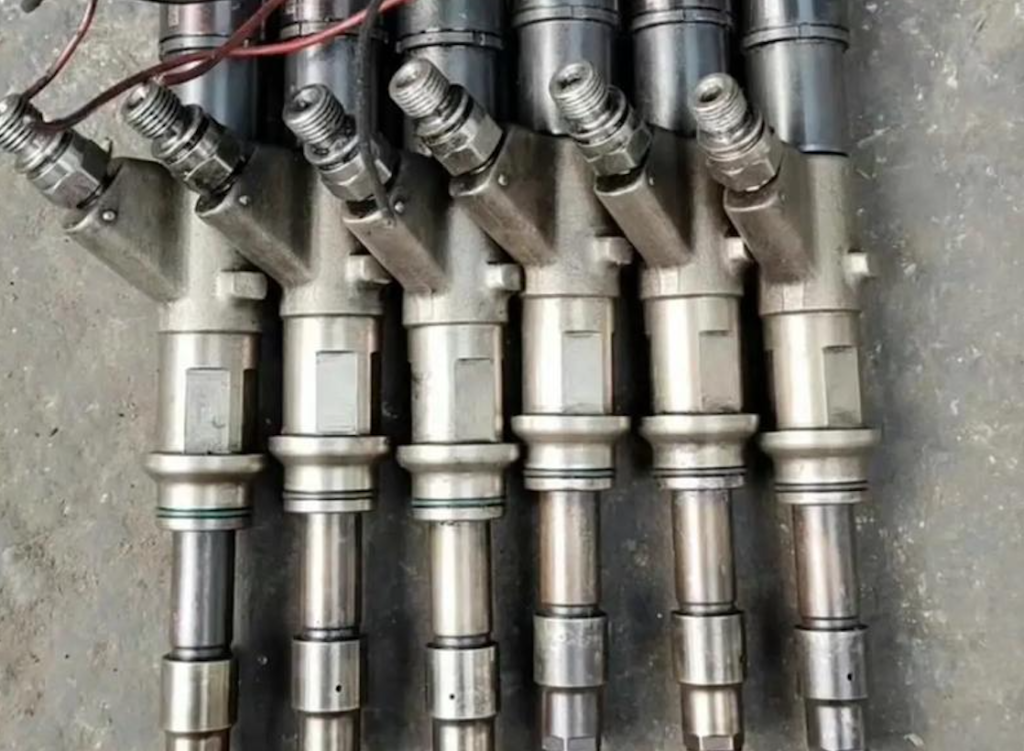
Aftermarket parts function as replacement parts which third-party manufacturers create instead of Cummins producing them. The parts serve as replacements for factory-made components because they match specific Cummins engine models.
The aftermarket market operates as a massive industry which offers products from high-end premium brands to low-cost generic components. Some well-known diesel engine component manufacturers produce aftermarket parts whose quality can come close to OEM standards. The market offers products with different quality levels which requires buyers to exercise extra caution during product selection.
Aftermarket parts attract many vehicle owners because they provide cheaper options than original equipment manufacturer parts. Users who need to conduct regular equipment maintenance will find aftermarket components more appealing because they enable savings of 20% to 50% compared to original equipment manufacturer parts.
Cummins OEM vs. Aftermarket Parts: Key Differences
When comparing OEM parts and aftermarket parts for Cummins engines, several factors can be analyzed, including quality standards, price, compatibility, and after-sales support. The engine running time and maintenance expenses together with equipment operational performance all depend on these elements. The differences between these two options help fleet operators and construction machinery users and generator set managers make better decisions about engine component repairs and replacements.
1. Quality and Manufacturing Standards
OEM parts generally conform to the technical parameters as set by the Cummins. They have to pass through stringent quality control procedures. These components will strictly follow design, material specifications, and manufacturing processes. They give way to excellent durability, reliability, and long-term operational stability compared to non-OEM parts.
Additionally, OEM components are usually subjected to various performance tests, like testing for durability, testing for high temperature, testing for gas pressure, etc., to make sure that the components can perform in different arduous working conditions for a long period. This is the essential need for a plant running continuously at a high load.
In contrast, the quality of aftermarket parts can vary considerably. Material and process attributes of some highly claimed reputable producers are comparable with OEM standards. Nonetheless, others would provide lower cost, inferior-quality products with durability and reliability risks. Consequently, it is imperative to select an aftermarket manufacturer who is known to have excellent credibility.
2. Price Differences
The most obvious distinction between OEM and aftermarket parts exists in their price. The cost of OEM components exceeds that of aftermarket parts because their price includes manufacturing expenses and their brand reputation and research and development costs and quality testing and official distribution network operations.
The price of OEM parts for essential components like fuel injectors and turbochargers and high-pressure fuel system parts exceeds that of aftermarket products.
By contrast, aftermarket parts typically offer greater price advantages. Many aftermarket components may cost about 20% to 50% less than OEM products. For users who need to maintain equipment frequently or manage large fleets, this price difference can lead to substantial long-term maintenance savings.
However, it is important to note that extremely low-priced products may sometimes indicate compromises in material quality or manufacturing standards. Therefore, buyers should always balance cost considerations with product quality.
3. Compatibility and Installation Fit
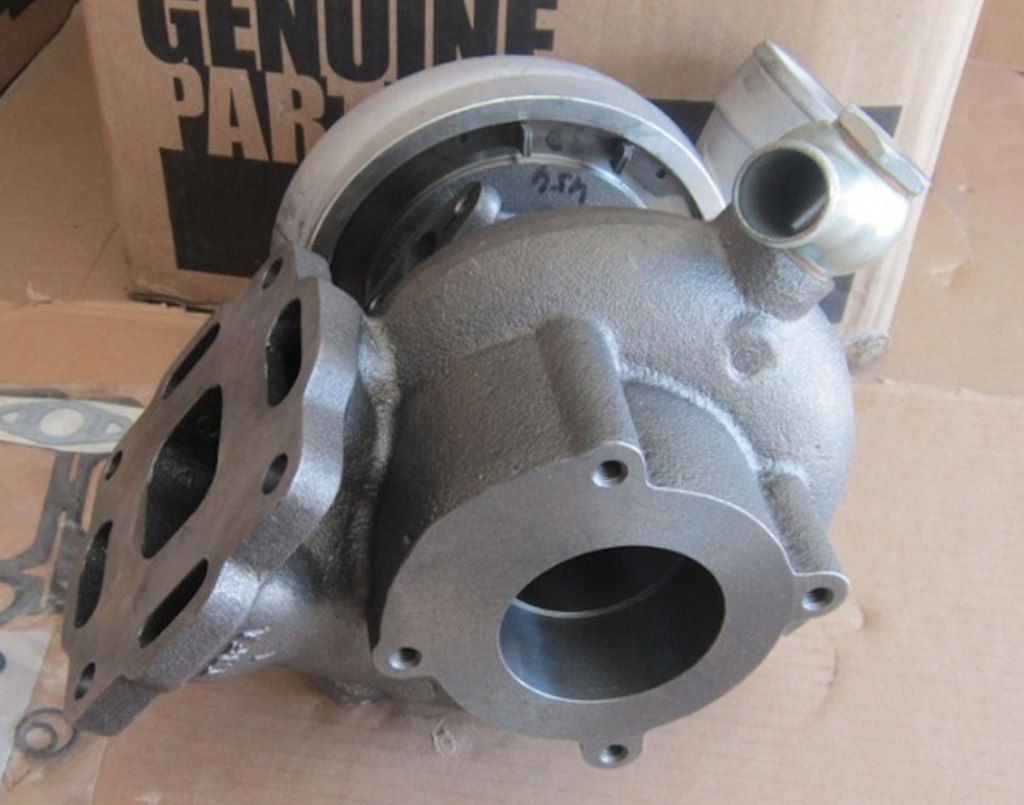
One of the major advantages of OEM parts is their perfect fit. Because these components are manufactured based on the engine’s original design, they usually require no additional adjustments during installation and can directly replace the original parts while maintaining the engine’s intended performance.
This is particularly important for maintenance efficiency and equipment reliability, especially in time-sensitive repair situations such as fleet vehicle maintenance or continuously operating industrial equipment.
Aftermarket parts are generally designed according to OEM specifications and can typically be installed on the same engine models. However, in some cases, there may be minor dimensional differences or tolerance variations, which could require slight adjustments during installation.
That said, if high-quality aftermarket brands are selected, most products can still provide good fitment and meet the needs of everyday operation.
4. Warranty and Technical Support
OEM parts typically come with official manufacturer warranties and access to technical support through authorized dealers. If issues arise during use, customers can contact authorized service centers for inspection and replacement.
For large companies or equipment operators, this well-established after-sales support system can significantly reduce maintenance risks and improve equipment management efficiency.
The warranty situation for aftermarket parts remains shop0 specific. Image-conscious brands have gone as far as providing specific guarantees, but in general the SER systems do not pack as much support as the original equipment producer networks. Particularly, in OEM channels, they offer more standard or reliable technical support and part traceability.
| Comparison Item | Cummins OEM Parts | Aftermarket Parts |
| Manufacturer | Produced by Cummins or its authorized suppliers | Produced by third-party manufacturers |
| Quality Standards | Manufactured according to original factory standards with strict quality control | Quality varies depending on the brand and manufacturer |
| Price | Usually more expensive | Typically 20%–50% cheaper than OEM parts |
| Compatibility | Perfectly matched to the engine design and easy to install | Generally compatible, but minor adjustments may sometimes be required |
| Performance & Durability | Stable and reliable, usually with longer service life | High-end brands may approach OEM quality, while low-cost products may be less durable |
| Warranty & Technical Support | Official warranty and authorized technical support | Warranty policies vary depending on the manufacturer |
| Typical Applications | Critical components or equipment requiring high reliability | Often used for cost-sensitive repairs or non-critical components |
Advantages and Disadvantages of OEM Parts
Advantages of OEM Parts
Reliability and Stability
The primary benefit of OEM parts comes from their dependable and consistent performance throughout their operational lifespan. The company produces these components according to the original specifications established by Cummins.
The design dimensions and material choices and manufacturing methods used to make these parts match the specifications of the original engine components. The engine system functions at its peak performance because OEM parts deliver accurate installation results which need no extra work to achieve optimal operational efficiency.
Strict Quality Control
OEM parts undergo rigorous quality control processes together with multiple performance evaluations which include durability assessments and high-temperature examinations and pressure testing. The tests confirm that components can function reliably during both complex operational circumstances and high-demand situations which results in improved engine reliability and extended operational lifespan. The implementation of OEM components in equipment that operates nonstop, including heavy-duty trucks and generator sets, serves as an effective method to decrease mechanical breakdown potential.
Official Warranty and Technical Support
The main benefit of using OEM parts is their bundled warranty protection and technical assistance. The official dealer network provides customers with authentic products and professional technical support and product maintenance services for any problems that may occur. Equipment maintenance presents special challenges for companies and fleet operators who require long-term equipment support.
Disadvantages of OEM Parts
Relatively Higher Price
The main disadvantage of OEM parts is their relatively higher price. The components cost more than aftermarket parts because they need to meet original manufacturer standards and include expenses for brand value and research and development and quality inspection. Users who need to replace parts frequently or manage multiple equipment items will experience higher maintenance costs when they depend on OEM parts for their operations.
Limited Purchasing Channels
In addition, OEM parts usually need to be purchased through authorized dealers or official distribution channels. While this helps ensure the authenticity and quality of the parts, it can also make the supply channels less flexible in some regions. If there are limited authorized dealers nearby, obtaining OEM parts may take longer, especially in urgent repair situations where quick replacement is required.
Advantages and Disadvantages of Aftermarket Parts
Advantages of Aftermarket Parts
More Affordable Pricing
The primary benefit of aftermarket parts becomes apparent through their reduced pricing. Cummins OEM parts face competition from multiple aftermarket components which offer cost savings that exceed 20 percent. The price advantage delivers substantial savings to users who require regular equipment maintenance together with those who operate extensive fleets that include various machines.
Wider Market Availability
Aftermarket parts are generally more accessible because they have multiple purchasing options which customers can select. Users can obtain these parts through various sources such as spare parts distributors, online platforms, or local repair shops. The extensive distribution network enables customers to quickly locate appropriate replacement parts which become essential during emergency repair situations.
More Options and Potential Performance Upgrades
The aftermarket industry offers a wide range of brands and product options, allowing users to choose parts based on their budget, performance requirements, or operating conditions. In addition, some specialized manufacturers produce high-performance aftermarket components that feature improved materials, designs, or structures. In certain cases, these upgraded parts may even deliver better performance than the original factory components.
Disadvantages of Aftermarket Parts
Inconsistent Quality
The biggest risk of aftermarket parts is the inconsistency in product quality. The components exhibit major differences in materials and manufacturing processes and quality control standards because they are manufactured by various third-party companies. The market contains both reliable parts from reputable brands and low-cost products that demonstrate unpredictable quality.
Potential Impact on Engine Performance and Lifespan
The selection of low-quality or incorrectly matching aftermarket components will harm engine performance capabilities. Engine efficiency decreases and failure risk increases because of problems which include decreased durability and sealing materials which do not perform properly and improper component sizing. The worst-case scenario for these issues results in a complete engine life reduction. Customers must choose trustworthy brands and dependable suppliers when they select aftermarket components.
When Should You Choose OEM Parts and When Should You Choose Aftermarket Parts?
The choice between OEM parts and aftermarket parts for diesel engine maintenance remains undecided. The decision requires assessment of three elements which include equipment condition and component value and budget constraints. The correct selection establishes equipment dependability while reducing maintenance expenses. Engine users who operate Cummins engines need to know which parts to use in different situations.
When to Choose OEM Parts
The engine’s warranty protection remains intact when OEM parts are used because the engine is still covered by the manufacturer’s warranty. The safe and dependable option for essential parts, which include fuel system components and electronic sensors and turbochargers, is OEM parts because these parts have a direct impact on engine performance and stability. The use of OEM parts delivers better operational reliability and consistent performance over time for equipment and engines that must run uninterrupted in extended operational periods.
When to Choose Aftermarket Parts
For engines that have been in service for many years, continuing to use more expensive OEM parts may significantly increase overall maintenance costs. In such cases, choosing reliable aftermarket parts can help reduce repair expenses. In addition, for non-critical components such as filters, hoses, or gaskets, aftermarket parts can usually provide sufficient performance for everyday use. However, when selecting aftermarket components, it is important to choose reputable brands and reliable suppliers to ensure product quality and stability and to avoid potential engine problems caused by low-quality parts.
Longshine OEM Cummins Parts: Reliable Choice with Competitive Price
When choosing the right parts for a Cummins engine, finding a reliable supplier that also offers competitive pricing is extremely important. Longshine, as a professional Cummins parts dealer, provides a wide range of OEM Cummins parts solutions for customers worldwide. These include fuel system components, internal engine parts, turbochargers, sealing components, and various commonly used maintenance parts.
Whether you are a fleet operator, an equipment repair company, or a diesel engine user, working with a trusted supplier like Longshine helps achieve the right balance between quality, price, and service. If you are looking for OEM parts that combine reliable quality with competitive pricing, Longshine is undoubtedly a dependable choice.