
Cummins PT Fuel Pump: Functions, Issues And How to Choose
If you spend any time around heavy-duty diesels, you know the Cummins PT fuel pump. It’s the heart of fuel delivery on engines like the 6BT, 6CT, M11, and K19. Generators, trucks, construction gear, boats – they all run on this old-school mechanical system.
When the pump is happy, the engine runs fine. You don’t think about it. But when something goes wrong? Hard starting, black smoke, loss of power under load. Sometimes it’s a quick fix – air in the system, a loose vent screw. Sometimes it’s worn seals or a bad pressure control valve. And sometimes it means a full rebuild. Or a whole new pump.
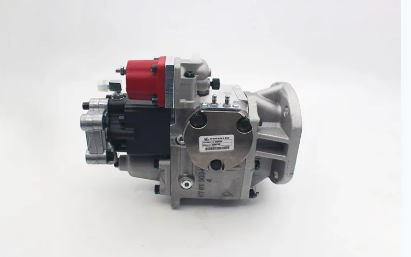
The Cummins PT Fuel Pump: What it is and how it works
PT stands for Pressure-Time. That’s how the Cummins PT fuel pump works. Most systems measure fuel by volume – how much fits in a chamber. This one works differently. It uses fuel pressure and how long the injector stays open to control the amount going into the cylinders. Cummins came up with this back in 1954. Patented. Still around.
Here’s how it works in four steps:
| Fuel supply | the pump pulls fuel from the tank at low pressure. |
| Pressure building | A gear rotor inside the pump increases the fuel pressure to the level the engine needs. |
| Pressure regulation | A built-in governor adjusts fuel pressure based on engine load and speed. |
| Fuel delivery | Pressurized fuel flows to the injectors. The injector nozzle opens for a set time. Open it longer and you get more fuel. |
Why is this system still used today?
It’s simple. No electronics. No high-pressure pumps that cost $5,000. You can fix a PT pump with basic tools. That’s why old mechanical Cummins engines – from 6BT to K19 – are still running in mines, farms, marine vessels, and construction sites around the world.
Common Signs That Your Cummins PT Fuel Pump Is Failing
So how do you know the PT pump is acting up? Here’s what mechanics actually see:
Hard starting or no start: Engine cranks but won’t catch. Or takes forever.
Black smoke: Especially at idle or when you give it load. Usually too much fuel or bad atomization.
Loss of power: Feels weak going uphill. Step on it and nothing happens.
Rough idle: Shakes, surges, or just dies at a stoplight.
Increased fuel consumption: You’re hitting the pump way more often than before.
White smoke on startup: That’s usually air in the system or low pressure.
Important: Not every symptom means the pump is dead. A clogged fuel filter or air in the fuel lines can look exactly like a bad PT pump. Always check the basics first – fresh filters, no visible leaks, good fuel quality. If those are fine and the problems stick around? Then yeah, the PT pump is probably the culprit.
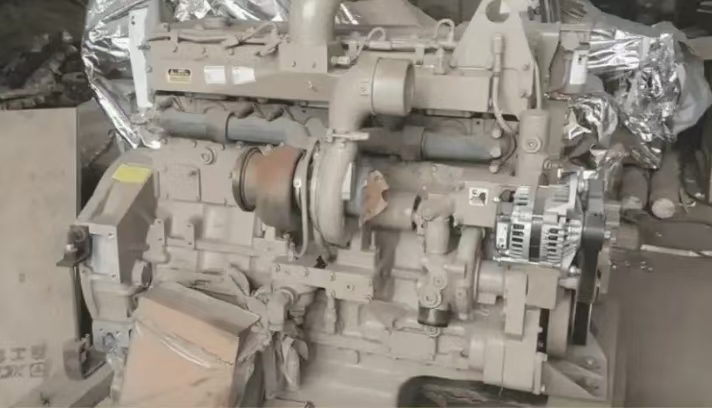
How to Diagnose Issues with Your Cummins PT Fuel Pump
Before you buy any parts, do these quick checks:
Prime the pump: If it starts fine after priming but fails again the next day, you’ve got an air leak somewhere – most likely worn seals or the suction side.
Look for external leaks: Look for wet spots. Fuel around the pump? That’s bad seals or gaskets.
Watch the smoke color: Black smoke only at idle? Could be throttle shaft wear. Black smoke all the time? Maybe a bad pressure control valve. Or a restricted return line.
Once you figure out what the engine is doing, you can usually match the symptom to the part that failed. Here’s a quick table – common PT pump problems and what you need to fix them.
| Symptom | Most Likely Cause | What You Need |
| Hard to start, loses prime quickly | Worn seals or O-rings | Seal kit or O-ring set |
| Black smoke, unstable idle | Throttle shaft wear | Throttle shaft assembly |
| Low or fluctuating fuel pressure | Bad pressure control valve | Pressure control valve |
| Weak fuel output, no start | Worn plunger and rotor | Plunger and rotor kit |
| External fuel leak | Cracked gasket or seal | Gasket set or full rebuild kit |
| Multiple issues at once | Pump is worn internally | Complete PT pump rebuild kit |
| Pump housing cracked or shaft scored | Beyond repair | New or remanufactured PT pump assembly |
| Engine runs fine cold but dies when hot | Internal parts are leaking as they expand with heat | Full rebuild kit or new pump |
How to Prime a Cummins PT Fuel Pump
| Step 1: Check fuel level | Check the fuel level first. Look in the tank. Sounds obvious, but it’s worth saying. |
| Step 2: Locate the vent screw | Find the vent screw. It’s on top of the PT pump. Small, with a slot for a flathead screwdriver. |
| Step 3: Loosen the vent screw | Loosen it. Two turns counterclockwise. Leave it in place – don’t remove it completely. |
| Step 4: Fill the pump housing (if needed) | If the pump is dry, take out the plug on top of the housing and fill it with clean diesel before priming. |
| Step 5: Prime the system | Prime the system. Got a hand primer? Pump until fuel comes out of the vent hole with no bubbles. No hand primer? Crank the engine in short bursts. A few seconds, then pause. Repeat until you see clean fuel with no bubbles. |
| Step 6: Tighten the vent screw | Once fuel flows without air, tighten the vent screw. |
| Step 7: Start the engine | Let it idle, then check the pump and fuel lines for any leaks. |
Common mistakes to avoid:
| Cranking too long without pausing | this can damage the starter and drain the battery. |
| Forgetting to tighten the vent screw before starting | this will suck air back into the system. |
| Using the hand primer in the wrong direction | check the arrow marking for correct flow direction. |
| Not checking the fuel tank cap vent | a clogged cap creates a vacuum, which causes the same symptoms as air in the system. |
What if priming works but the problem comes back the next day?
You have a small air leak somewhere – probably on the suction side. Check fuel lines, the filter head, and the pump shaft seal. A seal kit usually fixes it. If the problem persists, check the rubber hoses – old ones can crack and suck air without actually dripping fuel.
The Different Types of Cummins PT Fuel Pumps
PT pumps come in different types. Know which one you have before you order parts.
PT(G) – Standard Governor Pump: The basic and most widely used type, equipped with a 2-point mechanical governor. It is the standard pump for Cummins diesel generator sets.
PT(G)VS – Variable Speed Full-Range Governor: With a VS full-range governor, providing smooth speed control across the entire RPM range. Used in marine, construction, and equipment requiring precise speed control.
PT(G)AFC & PT(G)-AFC – Air-Fuel Control: Designed for emission compliance. Equipped with an AFC (Air-Fuel Control) module that limits fueling according to boost pressure to prevent black smoke during acceleration.
PT(H) – High-Flow Version: A high-capacity PT pump with a larger gear set, used on heavy-duty high-displacement engines such as K19, K38, K50.
Other variants include PT(G)MVS, PT(G)SVS, PT(G)EFC for different governing and electronic control requirements.
How to Choose the Right Cummins PT Fuel Pump for Your Engine
Picking the right PT fuel pump Cummins and buying Cummins parts isn’t that hard. But You do need to watch a few things.
Identify your engine model: PT fuel pumps are designed for specific engine families. The most common applications include M11, NT855, K19, K38, and K50. Make sure you know your engine model before ordering.
Determine which pump type you need: Use the table above to figure out whether you need a PT(G), PT(R), or PT(P) pump based on your application.
Find your original part number: Locate the part number stamped on your existing pump body. This is the most reliable way to ensure you get the correct replacement. If you can’t find the number, take a clear photo of the pump and send it to a supplier who knows Cummins.
Check pump rotation direction: Most Cummins PT pumps rotate clockwise when viewed from the front. However, some marine applications run counterclockwise. Verify the rotation direction before ordering – a pump with the wrong rotation will not build pressure.Confirm the flow rating for heavy-duty applications: For larger engines like the K19, K38, or K50, you may need a high-flow version of the pump. Standard PT pumps may not deliver enough fuel volume for these larger displacement engines.
Maintenance Tips for Your Cummins PT Fuel Pump
Here’s the advice that keeps PT pumps running for years.
Change fuel filters on time – but don’t overtighten them.
Hand-tight plus a quarter turn is enough. Overtightening can crack the filter head, which will let air into the system. Then you’ll blame the pump for a problem that started with a cracked filter head.
Use a fuel pressure gauge to diagnose issues.
Install a temporary tee fitting at the pump inlet to measure fuel pressure. Low pressure at high RPM usually means a clogged filter or a weak lift pump – not necessarily a bad PT pump. This simple test can save you from replacing parts you don’t need.
Check the return line.
A partially blocked return line creates back pressure, which tricks the pump into over-fueling. The symptoms? Black smoke, high exhaust gas temperature, and poor fuel economy. Blow compressed air through the return line – it should flow freely.
Don’t let the engine sit for months with old fuel in the tank.
Modern diesel fuel has its own set of problems. Algae can grow in it. It can also leave gum deposits inside the PT pump. So if the machine is going to sit for a while, throw in some fuel stabilizer. Or just start it up and let it run for 20 minutes once a month.
Water is the real killer of PT pumps.
Water causes the plunger and rotor to rust. Once rust pits the internal bore, no rebuild kit can save it – you’ll need a new pump. Always use a water separator filter and drain it weekly.
Why Choose Longshine for Your Cummins PT Fuel Pump Needs?
Longshine is not just another parts seller. We are a Cummins authorized PT fuel system parts supplier of CCEC, specializing in a full range of PT fuel system assemblies and parts with genuine Cummins quality at competitive prices.
Here’s what that means for you:
| Genuine Cummins quality | We supply PT fuel pumps and components that meet OEM specifications. |
| Wide engine coverage | Our PT fuel system parts are suitable for M11, NT855, K19, K38, and K50 engines, and are widely used in generators, trucks, construction machinery, mining, and marine applications. |
| Pre-calibrated pumps | All of our fuel pumps are well calibrated, so you can install and use them directly without any further adjustments. |
| Part number matching | Send us your old pump number or engine model. We’ll confirm fitment before you pay. |
| Technical support | We are a Cummins authorized PT fuel system parts supplier, offering a full range of PT fuel system parts with genuine Cummins quality. We also provide in-depth technical support for PT fuel system diagnosis and repair. |
We know Cummins. We know what fails. And we stock parts that actually fit.
FAQ
Q: Can I just replace the seals instead of buying a whole new pump?
Yes – if the internal components aren’t worn out. A seal kit will fix external leaks and priming issues. If fuel pressure stays low after new seals, you’re probably looking at a plunger and rotor kit – or a whole new pump.
Q: How often should a PT pump be rebuilt?
Roughly every 8,000 to 12,000 hours of operation. But don’t wait if you notice symptoms earlier – a bad pump can damage your injectors.
Q: My engine starts fine when cold but dies when it gets hot. Is that the PT pump?
It could be. Worn internal components expand when they get hot and lose their sealing ability. Also check the fuel shutoff solenoid and the return check valve.
Q: Can a bad PT pump damage my injectors?
Yes. Low fuel pressure causes poor spray patterns. High pressure (from a stuck valve) over-fuels the engine and can burn the injector tips. Either way, your injectors will suffer. Fix the pump first.
Q: What’s the most common mistake people make when rebuilding a PT pump?
Mixing up the governor springs. There are two or three different springs inside. Get the order wrong, and the engine might race out of control – or not run at all. So take photos when you take it apart. That way you know how it goes back.