
4th Gen vs 5th Gen Cummins: Which One to Choose?
In the heavy-duty diesel truck segment, the 6.7L Cummins inline-six diesel engine found in the Ram 2500 and Ram 3500 is widely regarded as an iconic powerplant. Whether you are a serious towing enthusiast, a truck modification enthusiast, or someone preparing to enter the world of diesel trucks, you may face a classic question: should you choose the more cost-effective 4th Gen Cummins (2010–2018), or spend more on the more technologically advanced 5th Gen Cummins (2019–present)?
This article provides an in-depth comparison of 4th Gen vs 5th Gen Cummins in terms of engine performance, transmissions, reliability, interior technology, maintenance, and modification potential to help you make a more informed buying decision.
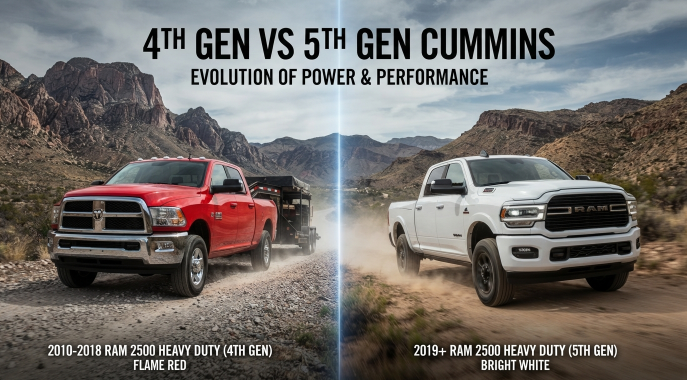
What Is a 4th Gen Cummins?
The fourth-generation Ram Heavy Duty represents an important stage in the development of the Cummins 6.7L Turbo Diesel. In particular, the 2019 model year brought significant upgrades to the 6.7L engine. The High-Output version reached 400 horsepower and 1,000 lb-ft of torque for the first time. According to official specifications, the 2019 High-Output 6.7L Cummins featured a Compacted Graphite Iron (CGI) engine block, a new cylinder head, lighter and stronger pistons, and an upgraded variable-geometry turbocharger.
Key characteristics of the 4th Gen Cummins include:
- 6.7L inline-six diesel engine
- Common-rail fuel injection
- Turbocharged and charge-air-cooled design
- Strong low-RPM torque
- A mature diesel engine platform
- A well-developed aftermarket parts market
- Extensive use in Ram 2500 and Ram 3500 Heavy Duty trucks
For example, the 2019 6.7L Cummins Standard-Output version produced 370 hp and 850 lb-ft of torque, while the High-Output version delivered 400 hp and 1,000 lb-ft of torque.
Therefore, the 4th Gen Cummins should not simply be considered an “old-generation engine.” In fact, later 4th Gen models already offered impressive power and benefited from significant engine structure and performance improvements.
What Is a 5th Gen Cummins?
The 5th Generation Ram Heavy Duty continues to make use of the Cummins 6.7L Turbo Diesel but with more advancements in the vehicle electronics, transmission system, and emissions.
This point is made to emphasize that 5th Gen Cummins does not mean the redesigning of the whole 6.7L Cummins engine platform from scratch. The 6.7L Cummins Turbo Diesel is being used throughout the 5th generation Ram Heavy Duty but with engine technology changes as time goes on.
For example, according to Cummins specifications, the 2021 6.7L Turbo Diesel produced between 370 and 420 hp and 850 to 1,075 lb-ft of torque, depending on configuration.
By 2025, Cummins introduced an all-new 6.7L High-Output Turbo Diesel producing 430 hp and 1,075 lb-ft of torque. The new engine featured upgrades to the engine block, cylinder head, pistons, intake manifold, turbocharger, intake and exhaust valves, and fuel system.
Therefore, when discussing the 5th Gen Cummins, it is important to consider the specific model year rather than treating all 5th Gen trucks as identical.
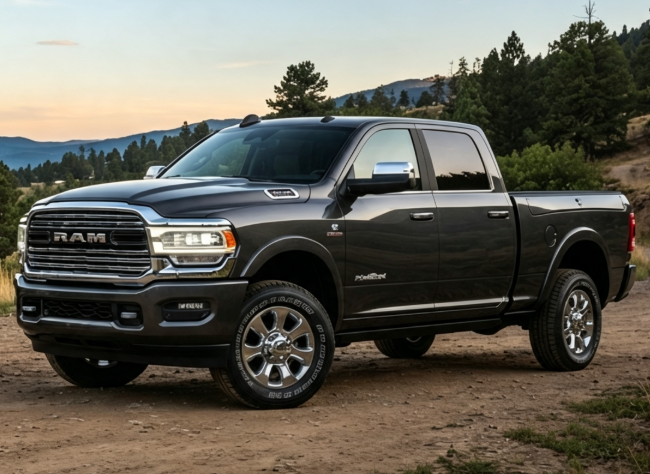
4th Gen vs 5th Gen Cummins: Key Differences
From an overall perspective, the major differences between the two generations can be summarized as follows:
| Comparison | 4th Gen Cummins | 5th Gen Cummins |
| Engine Platform | 6.7L Cummins Turbo Diesel | 6.7L Cummins Turbo Diesel |
| Powertrain | Mature diesel powertrain | More advanced powertrain integration |
| Engine Control | Earlier-generation electronic control system | More advanced electronic and vehicle integration |
| Transmission | Varies by model year and configuration | Newer models feature updated transmission technology |
| Emissions System | Modern emissions systems | Further integration of emissions and electronic systems |
| Driving Experience | Traditional heavy-duty diesel truck feel | Quieter, smoother, and more refined |
| Aftermarket Support | Very mature | Continuously expanding |
| Parts Availability | Extensive aftermarket support | Increasing, but year and configuration matter more |
| Modification Potential | Mature modification ecosystem | Growing performance aftermarket |
| Maintenance | Mature and well-understood platform | More complex electronic and emissions systems |
This means the 5th Gen is not simply “better” than the 4th Gen. Instead, it represents continued development in power, electronics, comfort, emissions control, and overall vehicle integration.
4th Gen vs 5th Gen Cummins Performance
Performance is one of the most important factors when comparing the two generations of Cummins engines.
Horsepower and Torque
Later 4th Gen Cummins models already delivered impressive power. For example, the 2019 Ram Heavy Duty High-Output 6.7L Cummins produced 400 hp and 1,000 lb-ft of torque.
The 5th Gen models continued to increase power output. For example, the 2025 Ram 2500 and Ram 3500 equipped with the new 6.7L Cummins High-Output Turbo Diesel produced 430 hp and 1,075 lb-ft of torque.
Therefore, if you only compare the peak output of the latest models, the 5th Gen has a clear advantage.
However, for used-truck buyers, it is not enough to simply classify a truck as “4th Gen” or “5th Gen.” Engine output can vary significantly depending on the specific model year and configuration.
Towing Performance
Cummins diesel engines have long been known for their high torque output and heavy-duty towing capability.
For users who frequently tow:
- Fifth-wheel trailers
- Travel trailers
- Equipment trailers
- Heavy work trailers
engine torque is only one part of the equation. Transmission selection, axle ratio, vehicle configuration, and the overall towing setup are also important.
For example, the 2025 Ram Heavy Duty, equipped with the new 6.7L Cummins and TorqueFlite HD eight-speed automatic transmission, can achieve a maximum towing capacity of up to 36,610 lb.
Therefore, under heavy-duty towing conditions, the 5th Gen benefits not only from engine improvements but also from optimization of the entire powertrain.
Driving Experience
If your truck is primarily used for daily driving, the 5th Gen may have a more noticeable advantage.
Newer models focus on improving:
- Transmission shifting
- Noise, vibration, and harshness (NVH)
- Throttle response
- Electronic control
- Cabin refinement
- Towing assistance
Compared with the 5th Gen, the 4th Gen generally provides a more traditional heavy-duty diesel truck driving experience.
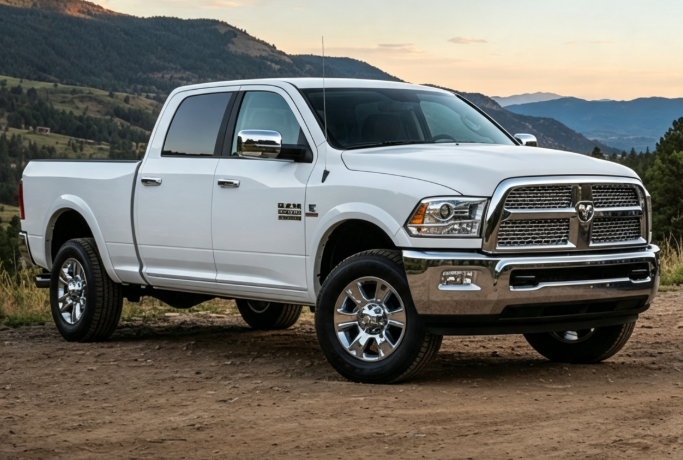
4th Gen vs 5th Gen Cummins Reliability
Reliability is a major concern for Cummins owners. Both generations are known for durability, but they differ in platform maturity, electronic complexity, and service requirements.
4th Gen Cummins Reliability
The 4th Gen Cummins is based on a mature 6.7L engine platform that has been extensively tested in the real world. Over the years, technicians and owners have accumulated extensive experience with the platform, while aftermarket parts and technical resources are widely available.
The 2019 6.7L Cummins, in particular, introduced a CGI engine block, new cylinder head, upgraded pistons, and other structural improvements designed to handle higher cylinder pressures and increased power output.
As a result, the 4th Gen has advantages in terms of platform maturity, repair knowledge, and parts availability.
5th Gen Cummins Reliability
The 5th Gen Cummins incorporates more modern technologies designed to improve durability, fuel efficiency, thermal management, and power delivery.
The new 2025 6.7L Cummins, for example, features significant updates to the engine block, cylinder head, pistons, turbocharger, intake system, and fuel system.
However, the 5th Gen also relies on more sophisticated electronic controls and emissions systems. As a result, proper diagnostic equipment and the correct replacement parts are increasingly important when servicing these trucks.
Overall, the 4th Gen emphasizes platform maturity and serviceability, while the 5th Gen focuses more on modern technology, efficiency, and overall performance.
4th Gen vs 5th Gen Cummins Maintenance
When maintaining either generation of Cummins, the engine itself is not the only component that needs attention.
Long-term diesel engine operation also involves:
- Fuel system
- Turbocharger
- Cooling system
- Lubrication system
- Sensors
- Exhaust system
- Emissions components
- Transmission
- Electronic control system
For 4th Gen owners, the mature platform means that many common service issues have well-established solutions, and replacement parts are generally easier to identify.
For 5th Gen owners, traditional engine maintenance remains important, but greater attention may also be required for electronic controls, emissions systems, and model-year-specific components.
Therefore, when purchasing Cummins parts, you should not select parts based solely on the engine displacement.
Are 4th Gen and 5th Gen Cummins Parts Interchangeable?
This is an important question, and the answer is: not necessarily.
Although many 4th Gen and 5th Gen Ram trucks use the 6.7L Cummins Turbo Diesel, components can vary between model years and engine configurations. Differences may exist in the engine structure, fuel system, electronic controls, and emissions systems.
As a result, not every component can be directly interchanged.
Fuel System Parts
Fuel system components such as injectors, fuel pumps, fuel rails, sensors, and fuel filters may vary depending on the model year and engine configuration.
Even when two parts appear similar, you should verify the specific OEM part number before purchasing or installing them.
Turbocharger Components
Turbochargers, exhaust manifolds, and related connection components may also differ between model years and configurations.
When replacing these components, always match the part to the specific engine model and model year to avoid compatibility issues.
Electronic Components
The 5th Gen features a more sophisticated electronic control system. Therefore, sensors, wiring, control modules, and other electronic components require more precise vehicle matching.
Installing an incorrect component may result in diagnostic trouble codes or affect normal engine operation.
Exhaust and Emissions Components
The emissions system also requires special attention. Differences in model years and emissions regulations can affect components related to the exhaust system, EGR, and aftertreatment system.
Therefore, if you need to purchase Cummins engine parts, it is best to provide the Vehicle Year + Ram Model + Engine + VIN + OEM Part Number whenever possible rather than simply telling a supplier, “I need a part for a 6.7 Cummins.”
This information makes it easier to confirm compatibility and reduces the risk of ordering the wrong part.
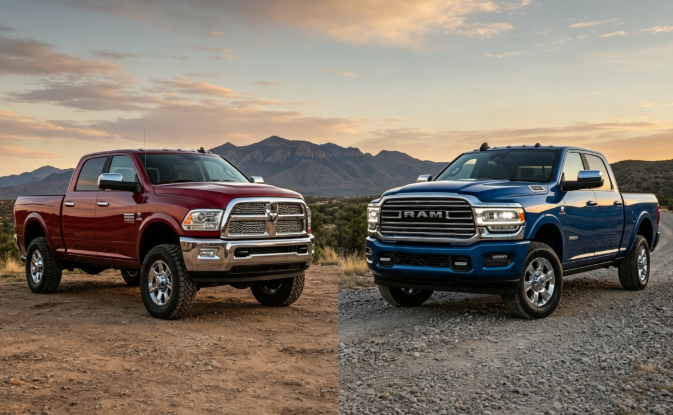
Which Cummins Generation Is Better for Performance Modifications?
If you plan to modify your truck for increased performance, both 4th Gen and 5th Gen Cummins have their own advantages. The right choice depends on whether you prioritize a mature aftermarket ecosystem or a newer platform with more modern technology.
4th Gen Cummins for Modifications
The 4th Gen Cummins has a highly developed aftermarket ecosystem. Years of aftermarket development have created a wide selection of performance parts, tuning solutions, and established modification strategies.
For enthusiasts who enjoy upgrading and working on their own trucks, the 4th Gen offers several advantages, including extensive parts availability, abundant modification experience, and a large amount of technical information.
5th Gen Cummins for Modifications
The 5th Gen Cummins uses a newer platform with more advanced factory technology. Performance parts for the 5th Gen, including turbocharger upgrades, fuel system components, intake systems, and exhaust components, are also continuing to expand.
For those looking for a modern heavy duty diesel truck with options for future modifications, then the 5th Gen Cummins should be a good option.
Generally speaking, the 4th Gen engine will suit the buyer looking for an established modification culture, whereas the 5th Gen engine would suit the buyer looking for the best of new technology and modification potential.
Should You Buy a 4th Gen or 5th Gen Cummins?
So, which should you choose: a 4th Gen or 5th Gen Cummins?
The answer depends mainly on your budget, intended use, and expectations for vehicle technology.
Choose a 4th Gen Cummins If You
If you prioritize a mature platform, extensive aftermarket support, and a lower used-truck purchase price, the 4th Gen Cummins can be an excellent choice.
It is also well suited to buyers who enjoy performance modifications, DIY maintenance, and the traditional heavy-duty diesel truck driving experience.
Choose a 5th Gen Cummins If You
If you are looking for something new, placing more value on modern automotive driving technologies, electronics, power and refinement of the vehicle, the 5th Gen Cummins might be the better choice.
For those towing heavy objects and requiring the latest engine technology along with increased comfort while driving, the 5th Gen might prove to be more beneficial.
On the whole, if budget, platform stability and possibility of modifications are important for you, it might be best to go for the 4th Gen; else the 5th Gen could be the answer.
Conclusion
In general, 4th Generation vs 5th Generation Cummins is not just a case of comparing one “old” generation to one “new” generation.
Regardless of which generation you opt for, it is essential to ensure that Cummins engines and components match your particular model year, Ram truck type, engine type, and OEM part number.
If you are looking for genuine Cummins engines and parts, you can contact Longshine for engine and parts solutions suitable for different Cummins engines and Ram truck applications.