
Winter Generator Storage 101: 7 Steps to Keep Your Unit in Top Shape
Winter generator storage is critical as winter brings heightened power outage risks from snow and ice, making backup generators indispensable. However, cold weather degrades batteries, spoils fuel, thickens oil, and causes hard starts. Fortunately, proper winter generator storage is straightforward. Follow these 7 steps to ensure reliable startups, extend equipment lifespan, and cut repair costs.
Pre-Storage Prep to Stay Safe & Organized
Before you start storing your generator for the winter, you need to make sure that everything is safe and works well. If you skip these first procedures, you could have an accident or not finish the maintenance, which would ruin the whole storage process.
Safety First: Avoid Common Hazards
Before doing any work on a generator, the most important thing to do is turn off the power and let it cool down completely. If you touch a generator that is running or warm, you could get burned badly. To keep your generator safe during winter, you must unplug any electrical cords and turn off the fuel valve to stop leaks. You also need to make sure you’re operating in a well-ventilated area to avoid carbon monoxide buildup.
To make it easier to winter generator storage, get these things ready ahead of time: an adjustable wrench, a set of screwdrivers, clean rags, a funnel, fresh oil that is made for generators, fuel stabilizer, air/fuel filters, rust inhibitor spray, desiccant packs, a waterproof generator cover, and either a smart trickle charger or a dry storage container.
Step 1: Clean & Inspect for Winter Generator Storage
The best way to store a generator in the winter is to clean and check it thoroughly. Dirt and grime can cover up leaks or damage, which can get worse when things aren’t used for months and cause huge difficulties later.
Wipe Down Exterior & Clear Ventilation
Cleaning and checking a generator carefully is the best method to store it in the winter. Dirt and grime can hide leaks or damage, which can get worse if things aren’t used for months and pose big problems later.
Check for Damage & Loose Connections
Check the generator for any evident problems after cleaning:
Check for cracks in the casing, rust on metal pieces, or bent parts of the frame.
To keep the base or gasoline lines from moving while they are being stored, tighten any loose nuts.
Check the wires and fuel hoses for fraying, cracking, or wear. If you find any, replace them before going on to winter generator storage. A little hose leak now could lead to a fuel spill or engine failure later.
Step 2: Handle the Fuel System for Winter Generator Storage
Problems with fuel are the main reason generators don’t start up after winter. So, doing this properly is very important for storing generators over the winter. Cold weather makes gasoline break down faster, and diesel can even gel or wax, which makes your unit unusable when you need it.
Two Fuel Storage Methods (Choose Based on Your Needs)
Pick the approach that aligns with how often you might need to use your generator during winter. Below is a quick comparison to help you decide:
| Method | Best For | Key Steps |
| Full Tank + Fuel Stabilizer | Areas with frequent power outages (needs ready access) | 1. Fill tank with fresh, high-quality fuel2. Add fuel stabilizer (follow product instructions for dosage). Run the generator for 5-10 minutes to circulate treated fuel through the entire system |
| Empty Tank & Carburetor | Regions where the generator won’t be used all winter | 1. Turn off the fuel valve fuel from the tank into an approved container Start the generator and let it run until it stalls (to empty leftover fuel from the carburetor) |
Critical Fuel Safety Tips for Winter Generator Storage
Always keep unused fuel in certified, sealed containers that are not near heat, sparks, or open flames.
Never use old gasoline that has been sitting for more than three months again. When you restart the generator, buy new fuel.
If you live in a place where the temperature drops below 20°F (-6°C), you might want to add an anti-gel additive to your diesel generator to make it work better in the winter.
Step 3: Replace Oil & Check Filters Before Winter Generator Storage
When you do the winter generator storage, old oil is a quiet opponent. Used oil has acidic impurities and metal particles that damage engine parts and make them wear out when the unit is not in use for months. One of the easiest ways to protect the engine of your generator is to change the oil.
Pick the Right Winter-Grade Oil
In the cold, not all oils function the same way. Choose an oil with a low viscosity, such 5W-30 or 10W-30 (see your owner’s handbook for the manufacturer’s recommended), that flows easily when it’s cold. This keeps the engine lubricated even if you have to start the generator quickly during the winter when it is stored.
Inspect or Replace Air & Fuel Filters
A dirty air filter makes it harder for air to flow, which makes it harder to start in the spring and makes combustion less efficient. For storing a generator in the winter:
- If the filter is made of foam, wash it with mild soap and water, let it dry, then re-oil it if needed.
- If the paper filter seems dirty or clogged, you should throw it away and get a new one.
- Check the gasoline filter for sediment buildup. If it hasn’t been changed in more than a year, do so. Clogged filters can stop fuel from flowing later, ruining your winter generator storage attempts.
Step 4: Battery Maintenance for Winter Generator Storage
Cold weather shortens battery life. Low temperatures can cut capacity by up to 50%, and batteries that sit unused for a long time get permanently sulfated, which means they are no longer useful. To store your generator safely throughout the winter, you must take care of the batteries.
Two Ways to Protect Your Generator Battery
Pick the method that works best with your storage:
Take it out and keep it inside: Take the battery out (always take out the negative terminal first, then the positive to avoid short circuits) and store it in a cool, dry place (not a heated garage or basement). Check the voltage every few weeks. If it dips below 12.4V, use a trickle charger to charge it.
If you can’t take the battery out, use a smart or trickle charger to keep it charged. This stops the battery from discharging on its own and keeps it ready to go, even when the generator is stored for a long time in the winter.
Reconnection Safety Note
When putting the battery back in, do it in the opposite order: connect the positive terminal first, then the negative. You should never let metal equipment touch both terminals at the same time. This can generate a dangerous short circuit that could harm the battery or even start a fire, which would ruin your winter generator storage plan.
Step 5: Choose the Best Location for Winter Generator Storage
The appropriate place for winter generator storage can make or break how well it works. Before you put your unit away for the season, make sure you choose a good position. A bad one will cause corrosion, mold, and fuel leaks.
Core Storage Environment Requirements
Your generator needs a dry, well-ventilated area that is safe from rain, snow, or ice. It also needs to be far away from open flames, gas water heaters, and other things that can start a fire (fuel fumes are dangerous).
Kids’ play areas or pet zones (to keep things from being messed up by accident)
Living spaces (such bedrooms and kitchens) should be free of carbon monoxide and fuel smells.
Indoor vs. Outdoor Winter Generator Storage: Pros & Cons
| Location | Pros | Cons | Key Tips |
| Indoor (Garage/Tool Shed) | Full protection from elements; easy access for checks | Risk of fuel fumes (needs ventilation); don’t store in living areas | Place on a drip pan to catch leaks; add desiccant packs for moisture control |
| Outdoor/Semi-Outdoor | Frees up indoor space | Exposed to snow/ice; higher rust risk | Use a waterproof, breathable generator cover (leave bottom vents open for airflow); elevate on blocks to avoid standing water from melting snow |
Step 6: Add Moisture & Rust Protection for Winter Generator Storage
Moisture and rust can still get in throughout the winter when you store your generator, even if you have a decent site. When you need your generator the most, these little problems can build up and cause parts to seize or connections to corrode.
Fight Moisture Build-Up
- Put desiccant packs (or a dish of uncooked rice, which is cheaper) beside the generator to soak up moisture.
- If you keep your generator in a damp basement or shed, use a small dehumidifier to keep the air dry. This is a big deal for storing generators in humid places throughout the winter.
- Never put the generator directly on wet ground or concrete; instead, put it on a wooden pallet to keep moisture from getting in.
Shield Metal Parts from Rust
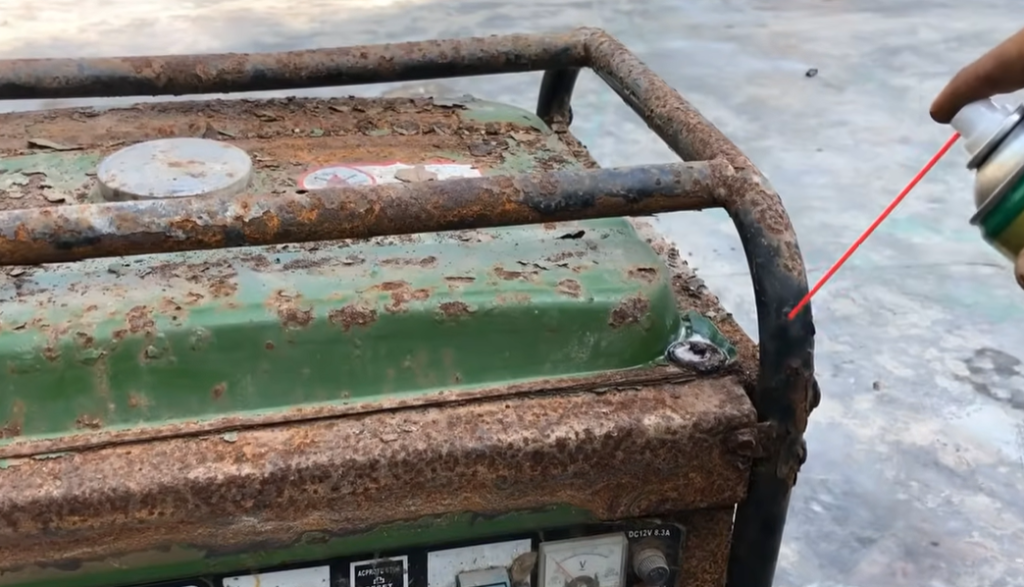
- Lightly spray the exposed metal parts (bolts, frame, and terminals) with a rust inhibitor or silicone-based protectant. Don’t spray straight into the carburetor or air intake.
- Use a foam or rubber stopper to block the exhaust port so that rain, snow, and even small animals can’t get in (just remember to take it out before starting the generator—this is a very important winter generator storage tip to minimize engine damage).
Cable and Accessory Storage
Power cords, extension cords, adapters, and other accessories should be kept in separate places. Do not wrap them around the body of the generator.
Don’t put too much pressure on or bend accessories to avoid problems with bad contact later on. This makes sure that accessories stay in good shape after being stored for the winter.
Step 7: Plan for a Smooth Restart After Winter Generator Storage
When you store your winter generator, it’s not enough to just put it away. You also need to make sure that you can easily and safely restart it when the weather gets warmer or an emergency happens. Planning ahead a little bit can save you time and trouble later.
Document Your Storage Details
- Leave a clear note or sticker on the generator with key info:
- Storage date
- Fuel treatment method (stabilized or emptied)
- Oil change date and oil type used
- Battery status (removed or on charger)
This quick reference eliminates guesswork when you’re prepping to restart, making your post-winter generator storage process seamless.
Pre-Restart Checklist (Post-Winter Generator Storage)
Before firing up your generator, run through this quick checklist to ensure safety and performance:
| Task | Why It Matters |
| Check fuel level/condition | Stale fuel causes hard starts; top off with fresh fuel if needed |
| Test battery voltage | Ensure battery is charged (12.6V is ideal for a fully charged battery) |
| Inspect oil level and filters | Low oil or dirty filters damage the engine during startup |
| Remove exhaust port plug | A forgotten plug can cause dangerous pressure buildup |
| Run on idle first | Let the engine warm up for 5-10 minutes before adding a load to prevent strain |
Should You Run the Generator During Winter Generator Storage?
Manufacturers say that if you live in a cold area or need to store the generator for more than two months, you should start it up every one to two months for 10 to 15 minutes (adding a modest load if you can). This keeps the oil moving and stops parts from seizing. Always operate it in a place with good air flow (to avoid carbon monoxide poisoning), and never leave it alone. This is an optional but helpful step for storing your winter generator.
Final Thoughts
Winter generator storage is not a chore; it’s an investment in its reliability and lifespan. These 7 simple procedures will help you start your car faster, have fewer problems, and pay less for repairs in the long run. For both calm winters and stormy outages, proper storage keeps your backup power ready—these are the most important methods to keep your generator safe from the cold.