
How Often Should You Change the CCV Filter on a 6.7 Cummins?
For owners of the powerful 6.7 cummins engine, regular maintenance is key to ensuring long-term performance and reliability. One component that is often overlooked but vitally important is the Crankcase Ventilation (CCV) filter. This article will provide a comprehensive on how often should you change the CCV filter on a 6.7 Cummins, and the steps for a successful 6.7 cummins CCV filter replacement.
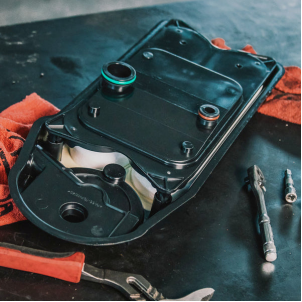
What is a CCV Filter and Why Is It Important?
The CCV filter is a crucial part of the engine’s emission control system. The cummins CCV filter traps oil mist and contaminants from these gases before they recirculate into the intake system. By separating oil vapors and preventing carbon buildup, it protects the turbocharger and intake components from damage, maintaining optimal engine efficiency and reducing oil consumption.
Regularly replacing the CCV filter is essential. It protects critical components like the turbocharger and intercooler from oil sludge buildup, maintains normal engine power and fuel efficiency, and effectively reduces abnormal oil consumption and internal carbon deposits.
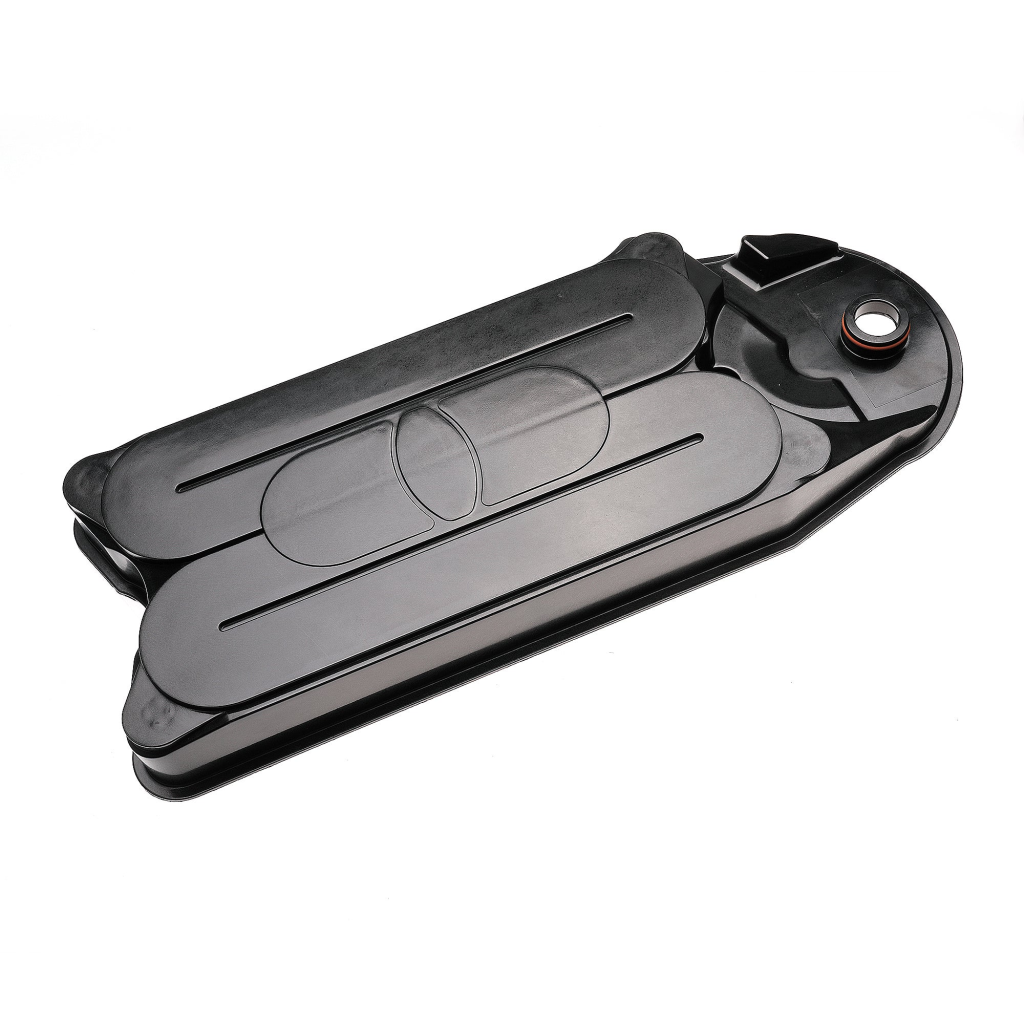
How Often Should You Change the CCV Filter on a 6.7 Cummins?
The 6.7 Cummins CCV filter change interval varies by usage and environment.
1. General Conditions
Under normal operating conditions—such as daily urban commuting, highway driving with light loads, and in areas with clean air—Cummins officially recommends replacement every 67,500 miles (approximately 108,600 kilometers). This interval is designed to maintain optimal crankcase ventilation efficiency and prevent oil vapor buildup, thus safeguarding engine performance.
2. Special Conditions
For vehicles operating in harsh environments, the interval must be shortened significantly. This includes construction sites, dusty off-road areas, muddy terrain, and regions with heavy sand or debris. Additionally, frequent short trips (where the engine doesn’t reach full operating temperature) or consistent heavy-duty towing/hauling also accelerate filter clogging, requiring replacement every 30,000 to 40,000 miles to avoid premature pressure buildup.
Regular inspections are critical for early detection. During routine maintenance, check the filter for oil saturation, debris accumulation, or damaged filter media. If any of these issues exist, replace it promptly. Neglecting timely replacement can lead to excessive crankcase pressure, oil leaks, and accelerated engine wear, undermining performance and increasing long-term repair costs.
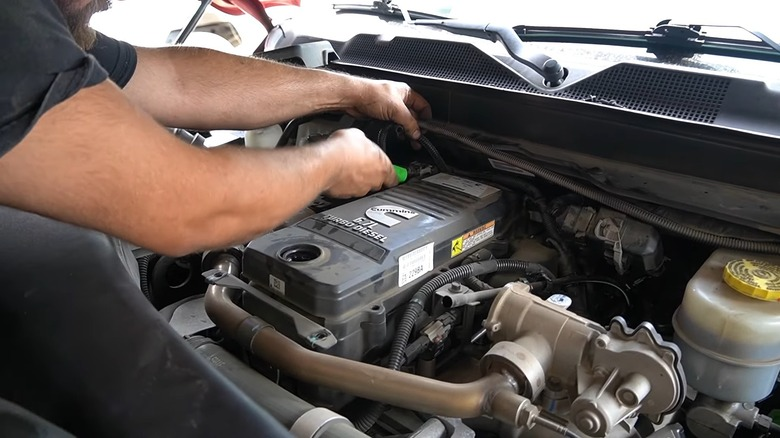
What Are the Symptoms of a Clogged CCV Filter?
1. Excessive Oil Consumption
What makes a dropped valve seat so devastating is not the seat itself, but the chain reaction that follows.This is often the first and most noticeable sign. The clogged filter prevents the normal evacuation of blow-by gases. The resulting high crankcase pressure forces oil mist and even liquid oil up through the CCV system and directly into the intake elbow or turbocharger inlet. From there, it is fed into the cylinders and burned. You will find yourself adding quarts of oil between normal service intervals far more frequently than usual.
2. Poor Engine Performance & Rough Idle
The CCV filter is part of the engine’s closed-loop breathing. A severe clog can disrupt the air/fuel ratio and cause erratic engine management. You may experience a rough, lumpy, or shaky idle, noticeable hesitation during acceleration, a general lack of power, and in some cases, the engine may even stall at idle.
3. Oil Leaks
A blocked filter creates excessive positive crankcase pressure. This pressure seeks escape, forcing oil past engine seals and gaskets. You may see new or worsening leaks from the valve cover, oil pan, front crankshaft seal, or even the dipstick tube. These leaks may be caused by the pressure from a restricted CCV filter 6.7 cummins.
4. Excessive Smoke from Exhaust
Burned oil drawn into the combustion chamber produces thick blue or gray smoke from the exhaust pipe—a telltale sign of oil entering the intake system due to CCV filter clogging.
5. Whistling or Hissing Noises
Full Description: As crankcase pressure builds to extreme levels, it can force its way past tight seals or small openings, creating an audible whistling, hissing, or chirping sound. This noise is often most noticeable around the valve cover, oil fill cap, or dipstick tube area.
6. Sludge Buildup & Failed Emissions Test
A clogged system traps moisture and combustion acids in the oil, accelerating the formation of harmful engine sludge. Furthermore, by impairing the closed ventilation loop, it can lead to increased hydrocarbon emissions. This may cause your truck to fail an emissions test.
7. Oily residue around CCV housing
A key visual indicator. Inspect the CCV filter housing and the outlet hose. A clogged filter can cause oily blow-by gases to seep from connections or the filter itself, leaving a wet, grimy film. Finding this residue confirms the system is not containing and routing vapors correctly, signaling it’s time to change CCV filter 6.7 Cummins.
What Happens If You Don’t Change the CCV Filter on a 6.7 Cummins?
1. Increased Crankcase Pressure
The filter clogs, so blow-by gases can’t escape properly. This can lead to oil leaks as pressure forces its way past seals (valve cover gaskets, front/rear main seals).
2. Oil Contamination in the Intake System
A clogged CCV system can cause oil mist to bypass into the intake, leading to carbon buildup on intake valves, turbocharger fouling, and reduced performance.
3. Poor Engine Performance and Efficiency
A pressurized crankcase makes it harder for the pistons to move upward on the compression stroke, creating a slight but measurable power loss.
Oil in the intake and intercooler system reduces the efficiency of the charge air cooling, increasing intake air temperatures and reducing power and fuel economy.
4. Turbocharger Issues
Oil entering the turbo can cause bearing wear, shaft play, and eventually turbo failure.
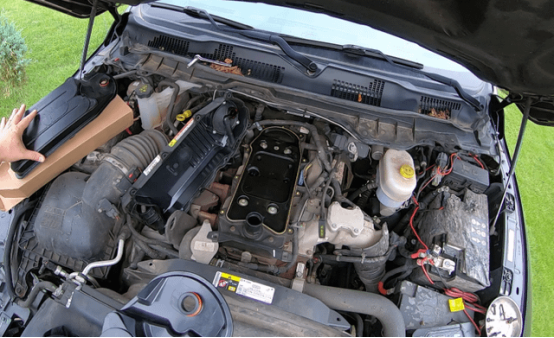
How to Replace the 6.7 Cummins CCV Filter?
A 6.7 cummins CCV filter replacement is a moderately easy DIY task for many owners. Here is a basic overview:
- Locate the CCV filter: On the 6.7 cummins, the CCV filter housing is usually found on the driver’s side valve cover.
- Clean the area around the housing to prevent dirt from falling in.
- Unclip or unscrew the housing cover. Carefully pull out the old cummins CCV filter.
- Clean the housing thoroughly with a shop towel. Install the new filter, ensuring it’s seated correctly.
- Reinstall the cover, ensuring all clips or screws are secure.
- Start the engine and check for any oil leaks around the CCV housing and ensure proper crankcase ventilation operation.
(Always consult your vehicle’s service manual for detailed, model-year-specific instructions before starting any work.)
Where to Buy a 6.7 Cummins CCV Filter?
You can purchase a genuine or high-quality aftermarket cummins CCV filter from authorized Cummins dealers, automotive parts stores, and reputable online retailers. When sourcing parts, it’s crucial to choose a trusted supplier. For instance, Longshine is a well-known Cummins parts and engines dealer that provides genuine OEM parts and reliable PT fuel system assemblies and components, ensuring you get the correct filter and other essential parts for your engine’s needs.
FAQs
Q1: Can I clean and reuse my CCV filter?
A1: No, the 6.7 cummins CCV filter is designed as a maintenance item and is not serviceable. It must be replaced with a new one.
Q2: Will a clogged CCV filter cause turbo problems?
A2: Yes, over time, oil carry-over from a failed filter can contaminate and potentially damage the turbocharger.
Q3: How often should you change the CCV filter on a 6.7 cummins?
A3: Under normal operating conditions, Cummins recommends replacement every 67,500 miles.
Q4: What are the symptoms of a clogged CCV filter?
A4: A clogged CCV filter can cause excessive oil consumption, reduced engine performance, oil leaks, and excessive exhaust smoke.
Q5: Can I replace the CCV filter by myself, or should I have a professional do it?
A5: If you have basic mechanical skills, you can replace the CCV filter by yourself. Otherwise, it is best to have a professional technician perform the installation and maintenance.
Q6: Is changing the CCV filter part of regular oil change service?
A6: Typically, no. It has its own longer service interval, but it’s a good idea to check its condition during major services.
Q7: Can the vehicle continue to run if the CCV filter is clogged?
A7: It is not recommended to continue driving when the CCV filter on a 6.7 cummins is clogged. Doing so will result in decreased engine performance, increased emissions, and even long-term damage to the engine and other components.
Q8: Where to buy a genuine 6.7 cummins CCV filter?
A8: For a genuine 6.7 Cummins CCV filter and other authentic Cummins parts, choose Longshine—a trusted Cummins parts and engines dealer specializing in genuine OEM-quality Cummins filters and fuel system parts.
Q9: How much does it cost to replace a 6.7 Cummins CCV filter?
Q9: Generally speaking, the cost ranges from $30–$160 for the filter alone; professional installation adds an extra $50–$150 depending on the service provider.
Q10:How to maintain the CCV filter on a 6.7 Cummins engine in daily use?
A10: Maintain the CCV filter on a 6.7 Cummins engine in daily use by replacing it regularly, inspecting its hoses for clogs or leaks regularly, and avoiding prolonged heavy towing or dusty operating conditions.
Conclusion
Sticking to the proper 6.7 cummins CCV filter change interval is a simple yet highly effective way to protect your investment. By understanding the symptoms of a clogged filter and performing timely maintenance, you ensure your 6.7 cummins engine runs cleanly, efficiently, and powerfully for miles to come. Don’t wait for problems to arise—check your filter today and schedule your next cummins CCV filter replacement as needed.