
What Is the Normal Oil Pressure for a 6.7 Cummins? (Idle & Driving)
If you own a truck with a 6.7 Cummins, chances are you have looked at the oil pressure gauge at some point and wondered whether the reading was normal. This usually happens after the engine warms up and the pressure suddenly looks lower than expected at idle.
One owner sees 15 PSI at a stoplight and starts worrying about worn bearings. Another notices the pressure climbing to 50 PSI while towing and wonders if that is too high. The problem is that oil pressure readings on a diesel engine are not always straightforward.
The good news is that oil pressure on the 6.7 Cummins naturally changes depending on temperature, RPM, load, and oil viscosity. A lower reading does not automatically mean the engine is failing.
In this guide, we will look at what oil pressure is considered normal for a 6.7 Cummins during idle and driving, what causes the readings to change, and when low oil pressure should actually be taken seriously.
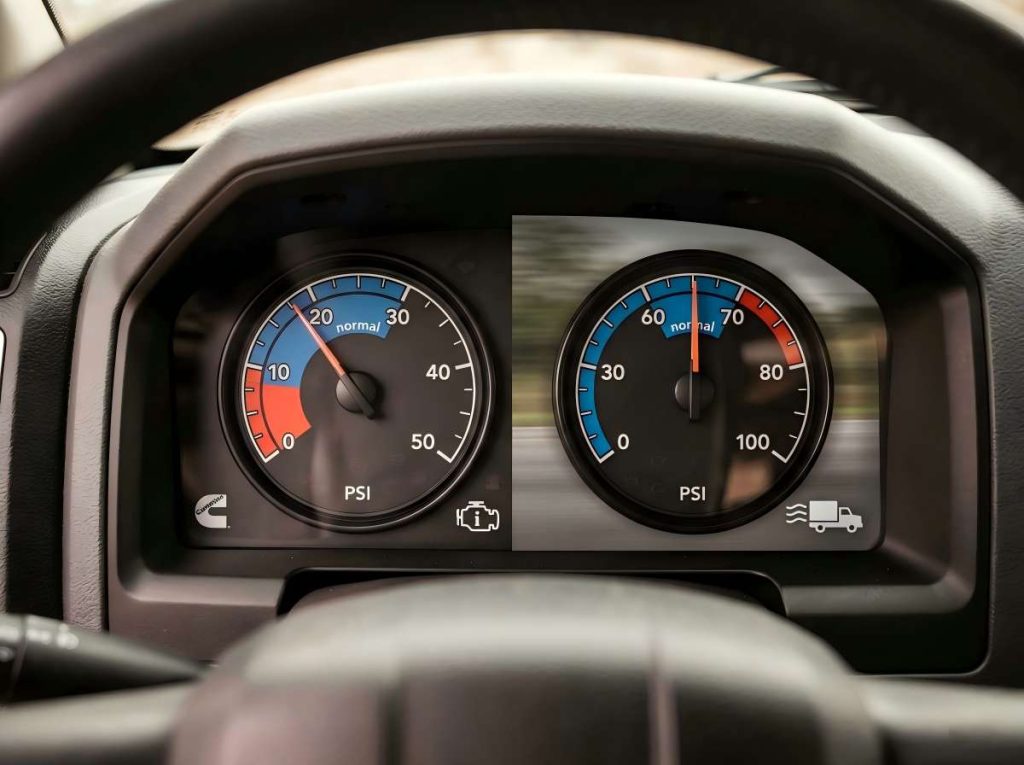
What Is Considered Normal Oil Pressure for a 6.7 Cummins?
While exact numbers can vary slightly between model years and operating conditions, most 6.7 Cummins engines fall within these general oil pressure ranges:
| Operating Condition | Typical Oil Pressure |
| Cold Start | 60–80 PSI |
| Hot Idle | 10–20 PSI |
| Normal Driving | 30–50 PSI |
| Highway Towing | 40–60 PSI |
These numbers are consistent with what many owners and diesel technicians commonly observe in real-world conditions.
One thing that surprises many people is how much oil pressure drops after the engine reaches operating temperature. A truck that shows 65 PSI during a cold start may settle around 15 PSI at hot idle later in the drive. In many cases, that is completely normal.
The important thing is not just the idle reading itself, but whether the pressure remains stable and rises appropriately with RPM.
According to Cummins official engine maintenance resources, proper lubrication depends on maintaining adequate oil flow under different engine loads and temperatures, not simply keeping the highest possible PSI reading.
Why Does Oil Pressure Change Between Idle and Driving?
Oil pressure is not fixed. It constantly changes based on how the engine is operating.
That is why looking at a single number without context can sometimes lead to unnecessary concern.
Engine RPM Directly Affects Oil Pressure
The oil pump in a 6.7 Cummins is driven by the engine itself. As engine speed increases, the pump spins faster and moves more oil through the system.
At idle, the engine turns slowly, so oil pressure naturally drops.
Once you accelerate onto the highway or begin towing, RPM rises and the oil pump generates more pressure. This is why many trucks show:
- 10–20 PSI at hot idle
- 40–50 PSI while cruising
- even higher readings during cold operation
- A steady increase with RPM is generally a good sign.
Oil Temperature Also Changes the Reading
Temperature plays a major role in oil pressure behavior.
Cold oil is thicker and harder to move through the engine. That resistance creates higher pressure during startup.
As the engine warms up, the oil becomes thinner and flows more easily. Pressure then drops to a more normal operating range.
This explains why hot idle pressure is always lower than cold idle pressure.
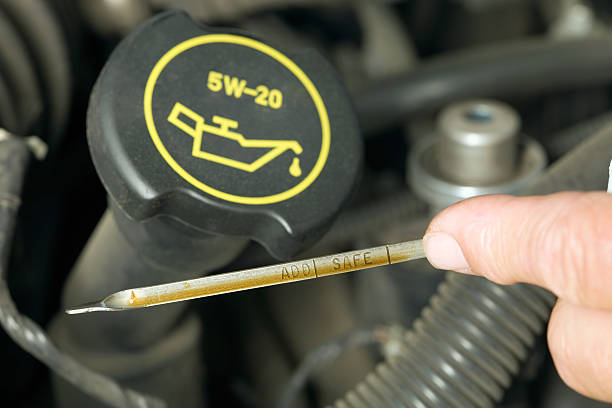
Oil viscosity matters as well. A truck running 15W-40 may show slightly higher pressure than one using 5W-40, especially in warmer climates.
However, higher pressure does not automatically mean better lubrication. Oil still needs to flow properly throughout the engine.

What Oil Pressure Is Too Low on a 6.7 Cummins?
This is usually the point where owners become concerned.
Seeing low oil pressure at idle can be unsettling, especially if the truck previously showed higher numbers.
In general, a hot idle reading around 10–15 PSI is not uncommon on a healthy 6.7 Cummins. The concern starts when pressure drops unusually low or behaves inconsistently.
Signs the Pressure May Be Too Low
You should investigate the issue further if you notice:
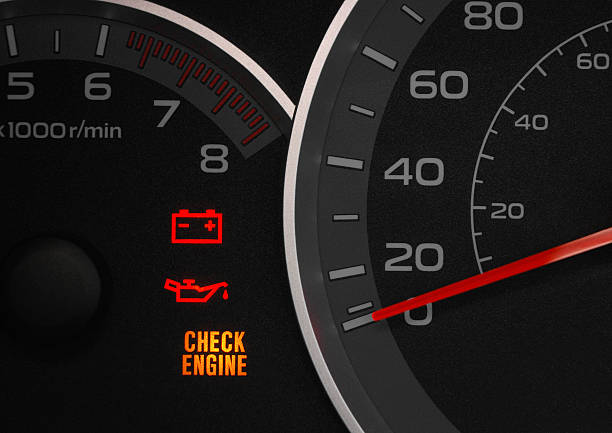
- Oil pressure consistently below 10 PSI at hot idle
- Sudden pressure drops while driving
- Oil warning lights appearingMetallic ticking or knocking noisesPressure that does not rise with RPM
A low reading by itself does not confirm engine damage, but combined symptoms should not be ignored.
Can You Drive With Low Oil Pressure?
That depends on the situation.
If the engine runs smoothly, pressure remains stable, and there are no unusual noises, a lower hot idle reading may simply reflect normal wear and operating temperature.
On the other hand, if pressure suddenly changes compared to its normal pattern, or if the warning light appears under load, the truck should be inspected as soon as possible.
Continuing to drive with genuinely low oil pressure can eventually lead to bearing damage or turbocharger wear.
Common Causes of Low Oil Pressure in a 6.7 Cummins
Not every low-pressure complaint points to a serious engine problem. In fact, some causes are relatively minor.
Here are some of the most common reasons oil pressure may drop.
Worn Engine Bearings
As engine mileage increases, bearing clearances can gradually widen.
When that happens, oil flows through the gaps more easily, reducing pressure at idle. This is more common on high-mileage trucks or engines that have spent years towing heavy loads.
The drop usually happens gradually over time rather than all at once.
Incorrect Oil Viscosity
Using oil that is too thin for the operating conditions can lower pressure readings.
For example, oil designed for cold climates may produce lower hot idle pressure in very warm environments.
Always follow the viscosity recommendations listed for your engine and climate conditions.
Fuel Dilution
Diesel engines can sometimes experience fuel dilution, where diesel fuel mixes with the engine oil.
This can happen due to:
- excessive idling
- frequent regeneration cycles
- leaking injectors
Diluted oil becomes thinner and may reduce oil pressure, especially once the engine warms up.
You may also notice the oil level rising unexpectedly on the dipstick.
Weak or Failing Oil Pump
Although less common, a worn oil pump can reduce pressure throughout the engine.
In these cases, the pressure often remains low across multiple RPM ranges rather than only at idle.
A mechanical inspection is usually needed to confirm this type of problem.
Faulty Oil Pressure Sensor
This is one of the most overlooked causes.
Many 6.7 Cummins owners experience inaccurate readings caused by:
- failing sensors
- electrical issues
- wiring problems
- gauge inconsistencies
Sometimes the engine itself is perfectly healthy. That is why technicians often recommend verifying pressure with a mechanical gauge before assuming internal engine damage.
The SAE lubrication engineering resources also emphasize the importance of accurate oil pressure measurement during diagnostics.
How to Check Oil Pressure Correctly
Checking oil pressure properly is important before drawing conclusions.
Use a Mechanical Gauge
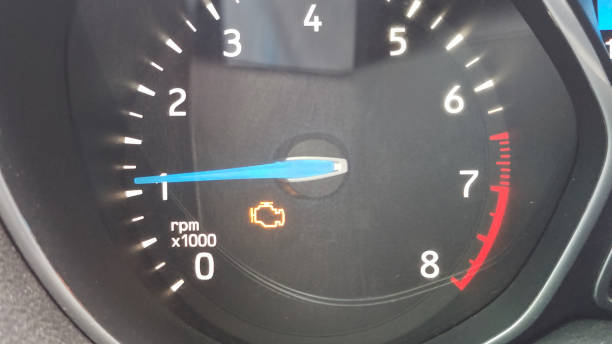
Dashboard readings are useful, but they are not always perfectly accurate.
If you suspect a problem, using a mechanical oil pressure gauge provides a more reliable reading than relying entirely on the factory sensor.
This step alone can prevent unnecessary repairs.
Check the Engine at Operating Temperature
Cold-start readings can be misleading because pressure is naturally higher before the oil warms up.
For accurate results, let the engine fully reach operating temperature before evaluating idle pressure.
Compare Pressure at Different RPMs
Do not focus only on idle.
Check how the pressure behaves:
- at idle
- around 1,500 RPM
- during highway driving
A healthy engine should generally show increasing pressure as RPM rises.
Does Thicker Oil Increase Oil Pressure?
Technically, yes.
Thicker oil can increase resistance inside the lubrication system, which may raise the pressure reading slightly.
However, that does not necessarily solve the underlying issue. If worn bearings or fuel dilution are causing the pressure loss, switching to thicker oil may only mask the symptoms temporarily.
Using the correct oil grade for the engine and climate is usually the better long-term approach.
FAQs
Is 10 PSI Oil Pressure Normal at Idle?
On a fully warmed-up 6.7 Cummins, around 10–15 PSI at hot idle can still fall within a normal range, especially on higher-mileage engines. The key is whether pressure remains stable and rises properly with RPM.
Why Does Oil Pressure Drop After Warm-Up?
As oil heats up, it becomes thinner and flows more easily through the engine. This naturally lowers the pressure reading.
What Oil Pressure Should a 6.7 Cummins Have While Driving?
Most trucks typically show around 30–50 PSI during normal driving, with higher readings possible while towing or during cold operation.
Can a Bad Sensor Cause False Low Oil Pressure?
Yes. Faulty sensors and wiring problems are common causes of inaccurate oil pressure readings on modern diesel trucks.
Final Thoughts
Oil pressure readings on a 6.7 Cummins can look alarming if you do not know what is considered normal. Fortunately, lower pressure at hot idle is often part of normal engine operation rather than a sign of immediate failure.
What matters most is consistency.
A healthy engine should maintain stable pressure, respond to RPM changes, and avoid sudden drops under load. If the truck develops warning lights, abnormal noises, or pressure readings that continue falling over time, further inspection is worth taking seriously.Before assuming the worst, it is always smart to confirm the reading with a mechanical gauge and evaluate the engine under real operating conditions. In many cases, the issue turns out to be far less severe than owners initially fear.