
How to Stop the Diesel Generator Blowing Black Smoke
The thick black smoke that comes out of a diesel generator‘s exhaust isn’t only ugly; it also shortens the life of the equipment, raises fuel expenses, and puts the environment at risk of not following the rules. The main reason a diesel generator blows black smoke is that the fuel isn’t burning all the way or the air-fuel combination isn’t balanced. This tutorial explains how to stop the diesel generator blowing black smoke. It goes over the main causes, possible solutions, and how to keep your unit clean and reliable.
Part 1. What Black Smoke Really Means for Your Diesel Generator
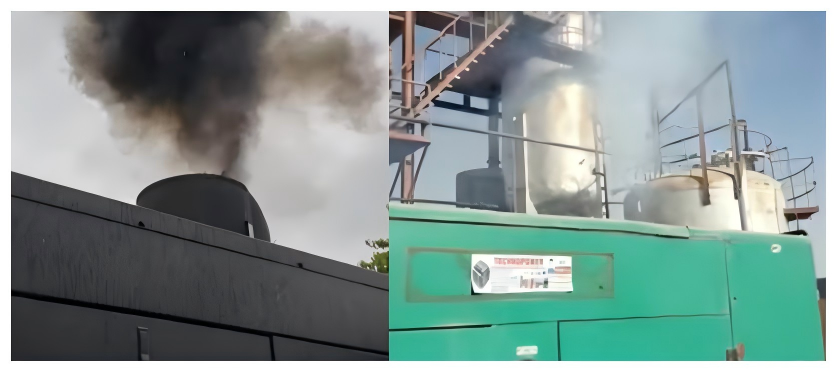
Before we talk about how to stop the diesel generator blowing black smoke, it’s important to know the difference between typical exhaust and a problem. A light gray puff when the engine starts up or when there is a sudden load is not a problem, but thick, black smoke that doesn’t go away is. If your diesel generator is blowing black smoke, it means that the air-fuel balance in your engine is off.
For clean combustion, diesel engines need the right amount of air and fuel. Any problem that stops airflow, gives too much fuel, or messes with the timing of the ignition may cause unburned carbon (black smoke). Also, when a diesel generator blows black smoke, it typically shows signs that something is wrong, such less power, more fuel use, engine shaking, or difficulties starting up. These signs put you in the direction of remedies.
Part 2. Common Causes of Diesel Generator Black Smoke
To effectively learn how to stop the diesel generator blowing black smoke, first pinpoint the root cause. The condensed table below lists top culprits:
| System Category | Specific Causes | Key Red Flags |
| Fuel Side Issues | Worn injectors, over-fueling, bad timing, low-quality diesel | Misfires, higher fuel use, engine knocking |
| Air Intake & Combustion Problems | Clogged air filter, leaky pipes, faulty turbo, excess carbon buildup | Reduced power, hot exhaust, intake hissing |
| Load & Operating Conditions | Long-term low-load, sudden overload, poor generator room ventilation | Smoke worsens under load, power drops, overheating alerts |
| Mechanical & Control Issues | Wrong valve clearance, low compression, tampered ECU/smoke limiter | Rough idle, oil leaks, inconsistent power, frequent shutdowns |
Each issue upsets the air-fuel balance. A clogged air filter starves the engine of oxygen, while overloading forces excess fuel use—both make diesel generator blowing black smoke inevitable.
Part 3. Step-by-Step Troubleshooting Guide to Stop Black Smoke
Now that you know what causes the diesel generator to blow black smoke, let’s talk about how to stop it. We’ll start with easy tests and then move on to more difficult fixes. A lot of the time, easy troubleshooting can fix a diesel generator that is blowing black smoke, so a thorough overhaul isn’t always necessary.
Safety First: Prep Before You Troubleshoot
Put safety first before touching your generator. If your diesel generator is emitting black smoke, it could mean that parts are hot or broken:
- To stop the generator from starting by accident, turn it off and unplug all loads.
- Let the engine cool for at least 30 minutes to keep from getting burned by hot parts.
- Get your tools together: a wrench set, a flashlight, cleaning supplies, and a phone to take pictures of the parts’ positions for reassembly.
Check the Load and Operating Condition
One of the quickest ways to remedy a diesel generator that is generating black smoke is to change the load:
Look at the control panel or power meter to see if the load is higher than the rated power. If so, turn off anything that isn’t necessary. The smoke should go away once the engine stops working hard.
Carbon accumulation creates smoke while running on less than 30% load for a long time. To stop the diesel generator blowing black smoke, run it at 50–70% of its capacity for 30–60 minutes. This is called a “carbon burn-off.”
Inspect the Air Intake System
The intake system is very important for stopping the diesel generator from producing black smoke since an engine that doesn’t get enough oxygen can’t burn fuel cleanly.
- Check the air filter. If it’s dirty, clean reusable filters (blow from inside out) or get new disposable ones. This inexpensive treatment generally gets rid of smoke overnight.
2. Check the intake pipes for cracks or loose clamps. If you find any, seal the leaks to get the airflow back to normal.
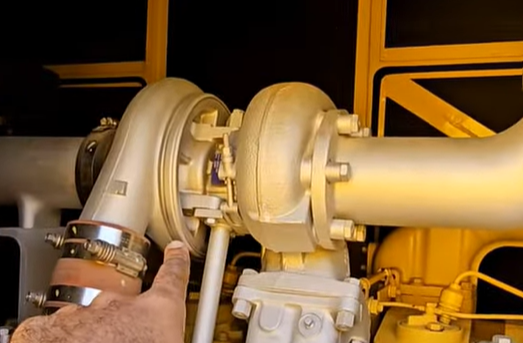
3.If the machine has a turbocharger, check for strange sounds or oil leaks. A broken turbo slows down airflow and makes a diesel generator produce black smoke. Leave fixing the turbo to the specialists.
Examine the Fuel System and Injectors
The fuel system is one of the main reasons why diesel generators produce black smoke. Here are some simple tests to do:
Make sure the fuel is fresh, clean, and the right grade. To address unequal distribution, drain the old or dirty fuel, fill it up with good diesel, and change the fuel filter.
Be on the lookout for injector problems like knocking or misfiring. To find bad injectors, use a “single-cylinder cutout test” (as directed in the instructions), but don’t try to fix or clean them yourself—doing so will make the diesel generator blow black smoke worse.
Valve Clearance and Compression
If the smoke doesn’t go away, it could be because of mechanical problems like low compression or bad valve clearance. A certified technician is needed for these:
Improper valve clearance stops air from flowing, which stops combustion and makes the diesel generator produce black smoke. Technicians will fix this to factory requirements.
Low compression (due to worn parts) lowers efficiency; technicians check levels and replace broken parts.
ECU Settings and Smoke Limiter
Modern units have ECUs or smoke limiters that regulate fuel and emissions. Tampering with these settings always causes diesel generator blowing black smoke—stick to factory calibrations and have pros diagnose/fix faulty systems.
Part 4. When to Call a Professional
Even though understanding how to stop the diesel generator blowing black smoke contains do-it-yourself procedures, you should call a pro if:
- The diesel generator still blows black smoke after changing the filter, changing the load, and adding new fuel.
- The unit creates noises when metal hits metal, spills oil quickly, gets too hot, or stops working without warning.
- You need to test the injectors, calibrate the fuel pump, adjust the valves, or fix the turbo.
- The generator powers a commercial or industrial system that has severe rules for emissions.
Part 5. Preventive Maintenance to Avoid Future Black Smoke
Learning how to stop the diesel generator blowing black smoke is key, but prevention saves time and money. A solid maintenance plan is your best defense against smoke and other issues.
Stick to a Regular Maintenance Schedule
Use this run-hour based checklist to stay on top of upkeep (replace calendar-based timelines with actual usage):
| Run Hours | Maintenance Tasks |
| 250 | Change oil and oil filter; replace air/fuel filters; inspect intake hoses for leaks |
| 500 | Check injector performance; clean cylinder carbon (if needed); test battery health |
| 1,000 | Technician adjusts valve clearance; tests compression; calibrates fuel system |
| Annual | Full load test to burn carbon; inspect exhaust for corrosion; verify emissions compliance |
Optimize the Generator’s Operating Environment
Even well-maintained diesel generators can produce black smoke if the atmosphere is bad:
Make sure the generator room has good airflow so that there is enough clean air for combustion.
Keep the room temperature between 50 and 80 degrees Fahrenheit (10 and 27 degrees Celsius) to avoid problems with fuel atomization (when it’s too cold) or engine overwork (when it’s too hot).
Invest in Quality Parts and Emissions Upgrades
If you cut corners on parts or fuel, your diesel generator will start billowing black smoke again. Use OEM or authorized filters and injectors. Cheap parts wear out quickly and affect performance. If you have tight emissions rules, you need to add a DPF or exhaust aftertreatment system to catch carbon and stay in compliance.
Conclusion
When a diesel generator blows black smoke, it’s a serious sign that it’s not working right and might fail. To stop the diesel generator from blowing black smoke, you need to know how to do some simple troubleshooting and repairs. For hard problems, call a pro to avoid damage. To keep your generator running clean and reliably for a long time, be sure to do regular maintenance, use the right parts, and keep it in good working order.