
How to Prime 6.7 Cummins after Fuel Filter Change?
Air will get into the fuel system when you change the fuel filter. These air pockets will stop the fuel from reaching the engine, thus accounting for the restoration of starting the engine. Priming overcomes this difficulty. In this article, we’ll explain in detail how to prime the engine after a fuel filter replacement, the common issues that arise during the process, and the maintenance tips to keep your fuel system in optimal condition.
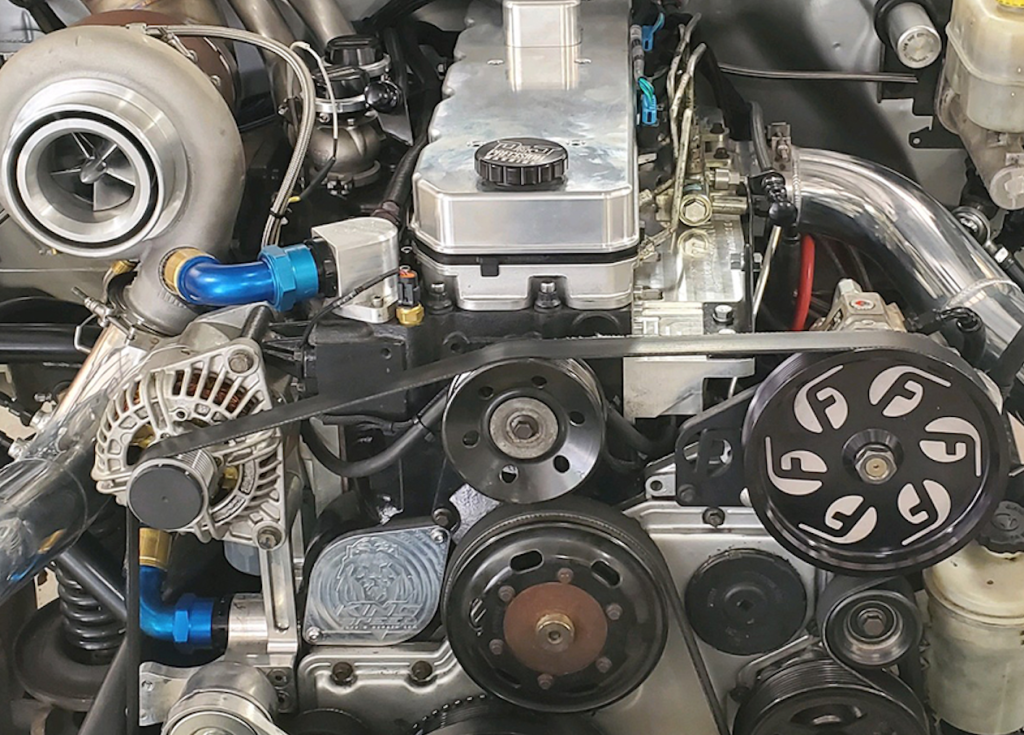
Why You Need to Prime 6.7 Cummins After Fuel Filter Change?
There is the need to prime your 6.7 Cummins after you change the fuel filter to avoid breakage of the engine by any air that could be inside the fuel system. Filter replacement lets air seep into the fuel rail, injectors and lift pump via empty housings and disconnected lines. This creates a situation where there is air lock which prevents the lift pump from the moving of the fuel into high pressure pumps.
This leads to fuel starvation, dry-running critical parts and permanent failure, plus injector misfires, rough idling and power loss. Originally the high pressure system found in the 6.7 Cummins takes in fuel in a continuous manner for purposes of cooling and providing lubrication contrary to air which makes it operate above normal temperatures. Priming eliminates dirt from the system, fills the empty filter, and allows you to continue driving without spending much on repairs and facing unexpected breakdowns.
Preparation for Priming a 6.7 Cummins After Fuel Filter Change
Before you start priming, let’s make some preparation:
Tools and Materials
You need a new fuel filter, fuel filter wrench, clean rag or paper towels, gloves and priming pump.
Safety Precautions
Do not work in a confined place because diesel fumes are harmful to health; An opened flame, cigarette, or power tools that could be contact fire, caused sparks or flames – all strictly not allowed in presence of diesel; When working with diesel, wear eye protection as there will be splashes in the eyes.
Pre-Priming Checks
Do not begin priming the system, let us look at the picture first in case of an issue. First of all, the installation and tightening of the new fuel filter has been done correctly (torque it by hand and then for the last 1/4 inch use a span wrench—but ignore the final torque, because you don’t want to shear off the seal). Second, the walls of the main glass fuel filter housing breakages and/or leaks have to be absent. Check that all the pipes from the fuel tank to the engine are installed correctly, otherwise they might allow air into the system when performing the priming process. Finally, inspect and make sure the primer pump is fit for use (that is, there are no cracks, tears, stiffness, etc.)
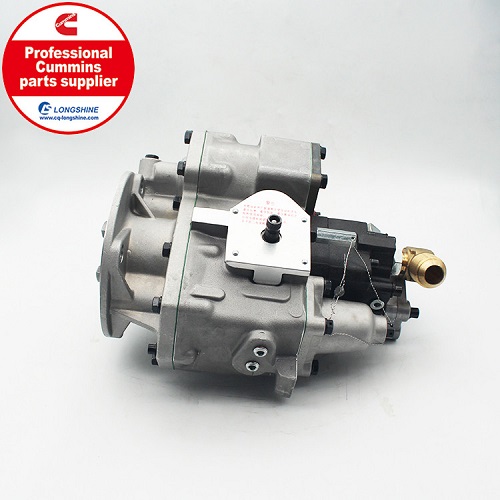
How to Prime a 6.7 Cummins After Fuel Filter Change?
After fuel filter change, now we start priming the 6.7 Cummins. These procedures generally apply for several models of 6.7 Cummins but it is always safe to crosscheck with the vehicle owner’s manual since some models differ in these regards.
Step 1: Locate the Priming Pump
The manual priming pump is often located on the fuel filtration surfaces (it is in the engine cabin leftward most of the time for heavy commercial vehicles). In most cases, it is a black or grey rubber ball or a lever that can be manipulated manually. In case a comment is needed, consult the owner’s manual.
Step 2: Depress the Priming Pump
Go ahead and start working the priming pump slowly and gradually. You will experience some resistance at the beginning. That is the air being expelled from the system. Do not stop until the resistance is much stronger. Most models require about 10–15 pumps for this to occur.
Step 3: Check for Leaks
While pumping, observe the surrounds of the fuel filter and the fuel pipes. If any diesel spill is visible, stop immediately. Before going back to pumping, try to fix the loose filter of the leaking fuel line and mop up any diesel that has spilled.
Step 4: Release Air from the Bleed Screw
Some 6.7 Cummins models have a bleed screw on the fuel filter housing or fuel rail. If there is such isolate present, a wrench of smaller size has to be applied. Turn a little bat of the bleeder screw after raring the choking pump 5 to 10times. Wistful air and diesel will come out – continue doing this until all diesel being ejected has no bubbles in it. Once done, make sure to tighten the bleeder screw as much as possible.
Step 5: Continue Pumping Until Pressure is Built
Once you have taken care of the leaks and bleeding, you continue to pump the priming pump until you can’t pump it anymore. This makes sure that the entire fuel system is filled with diesel and that there is no air in it.
Step 6: Start the Engine
Once you’ve built up pressure, reconnect the battery and start the engine. It should fire up in 3 seconds. Allow the engine to idling for 5 to 10 minutes to confirm that the engine is normal and there are no leaks. Read the fuel gauge to determine if the pressure is consistent.
Step 7: Post-Start Checks
While the engine is idling, ensure no fuel or fluid is leaking from the external fuel filter case and connected hoses lines. In addition, listen out for any strange sounds (like sputtering or knocking) that may suggest that air has gotten into the system, and check the engine temperature and oil pressure to see if they are in good operating range.
Common Priming Failure Causes on 6.7 Cummins After Fuel Filter Change
Priming can sometimes fail. If your engine won’t start or runs rough after priming, here are the most common causes and how to fix them:
1. Loose or Damaged Fuel Filter Seal
There is a rubber seal (an o-ring) on the new filter that inserts between the cover and the filter is damaged. If it is looser, degenerated, or lacking, then air is going to enter the system during priming.
Fixing: Pull the switch and allow the machine to sit idle. Pull out the fuel strainer and inspect the seal- if it is torn, change it. Remember to fix the seal to the filter first before fixing the filter back. It is very important to hand tighten the filter then additionally turning it 1/4 of a turn—the seal should not be over tightened because in such instances it will likely be crushed.
2. Air Trapped in the Fuel Rail
If you skipped the bleed screw step (or if your model doesn’t have one), air might be trapped in the fuel rail.
Fixing: Turn off the engine and wait until the pressure drops. Find the fuel rail (it is a metal pipe on the top of the engine). Unscrew the bleed screw on the fuel rail and operate the hand pump until fresh diesel without air bubbles is ejected. Tighten the bleed screw and start the engine.
3. Faulty Priming Pump
If the priming pump is stiff, cracked, or doesn’t build pressure, it won’t be able to flush out air.
Fixing: Check to see if the priming pump is damaged and it looks cracked or torn away in one or more places replace the priming pump. When the rubber pump is hard to operate with, pour little diesel to the pump to soften it.
4. Clogged Fuel Lines
In the event of dirty fuels inside of the fuel hoses, the latter can become a source of danger for the fuel system priming.
Fixing: Separate the first filter base hose from the engine hose. Use compressed air to blow through the hoses and remove any blockages. Reassemble the hoses, and attempt priming once more.
5. Incorrect Filter Installation
If the fuel filter is not installed properly in the reverse direction then it will starve the engine of fuel and priming will be useless.
Fixing: Check the filter for an arrow indicating the direction of fuel flow (it should point towards the engine). If the filter is installed backwards, remove it and reinstall it correctly.
Maintenance Tips to Prevent Future Priming Issues
Now that you’ve mastered priming, let’s talk about how to prevent priming problems in the future.
Use High-Quality Fuel Filters
Use reputable brands (like Longshine, the OEM manufacturer) that come with good-quality, pre-lubricated seals.
Keep the O-Ring Lubed
It is advisable to have a lubricant, for instance, diesel, ready especially when installing a new o-ring to prevent possible tearing as it will be in position better.
Inspect Fuel Lines During Filter Changes
Every time you change the fuel filter, take a minute to inspect the fuel lines. Look for cracks, leaks, or signs of wear. If you see any damage, replace the lines right away—leaky lines let air into the system, which causes priming problems.
Keep the Fuel Tank Full
Running your fuel tank low can cause the fuel pump to suck in air, which can lead to vapor lock and priming issues. Make sure the tank is never lower than 1/4 of its volume, more so when you intend to change the fuel filter in the near future.
Store Diesel Properly
If you plan to leave your truck or RV dormant for a long period with the diesel tank full, ensure that the fuel is fresh. Old fuels degrade and result in the formation of sludge that clogs the filter among other priming difficulties. If you plan on storing the tank for more than 3 months, consider adding a diesel fuel stabilizer.
Don’t Over-Tighten the Filter
Tightening down the fuel filter beyond reason may lead to distortion of the seal accompanied by leaks and inflation. Simply turning the filter by hand plus another quarter turn should be enough to snug it up tightly without risking tearing the seal.
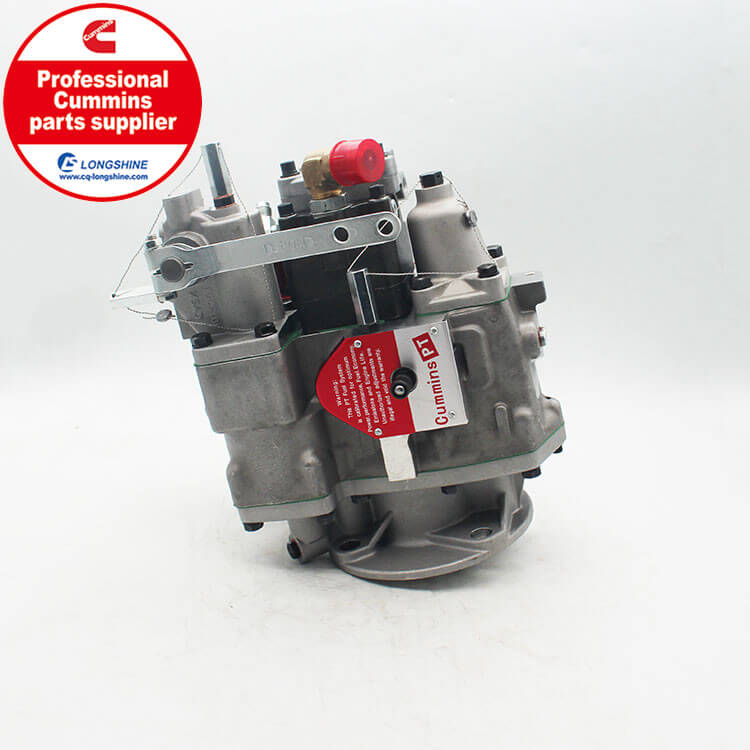
Final words
In conclusion, priming your 6.7 Cummins post-fuel filter change is critical to remove trapped air, preventing fuel system damage and performance issues. Follow the step-by-step process, address common failures like loose seals or faulty pumps promptly, and adopt simple maintenance habits—using quality filters (e.g., Longshine), lubricating o-rings, and inspecting fuel lines. Proper priming and proactive care ensure your engine runs reliably, extends its lifespan, and avoids costly downtime.
FAQs
Q1: Do you have to prime a diesel after changing the fuel filter?
A1: Yes, it’s necessary to remove trapped air and prevent dry-running damage to critical components.
Q2: Why is my Cummins not starting after fuel filter change?
A2: The usual suspects are too much air trapped in the system, a rubber tightness, a filter installed wrongly, or a nonfunctional 6.7 Cummins fuel prime.
Q3: What should be done before starting a diesel engine after changing a fuel filter?
A3: Prime the system, check for leaks, ensure proper filter seating, and secure fuel line connections.
Q4: How to get trapped air out of a fuel system?
A4: Re-prime using the manual priming pump or the bleed screw, until fuel without bubbles flows out.