
Fuel-Saving Tips for Diesel Generators: Practical Solutions to Reduce Costs
Fuel-saving tips for diesel generators are important because fuel is usually the highest expense of ownership. You save money when you burn less diesel, but you also get better performance and fewer “mystery” shutdowns.
People don’t think about it, but wasting fuel is also rather typical. When it comes to diesel generators, the same problems keep coming up when it comes to saving fuel: running at very low load for long periods of time, ignoring basic maintenance, using bad fuel, and working in severe conditions without changing how you run the set.
Start with Knowing Where Fuel Use Comes From
Once you realize what really affects diesel generator fuel efficiency, it’s easier to find ways to save gasoline. This is because “diesel generator fuel efficiency” is not just one statistic. Even if nothing is “broken,” the same generator can burn vastly different amounts depending on the load and the weather.
Key Variables that Change Fuel Burn
Fuel-saving tips for diesel generators should always consider these variables first, because each one can move your fuel spend fast:
- Load factor (how hard the generator is working)
- Run hours (including idle and low-load time)
- Ambient temperature and site altitude
- Engine and alternator efficiency (age, setup, wear)
- Fuel quality and fuel cleanliness
Simple Ways to Estimate and Compare Fuel Consumption
The first step in saving fuel with diesel generators is to set a baseline, which you can achieve by simply logging. If you want to “reduce diesel generator fuel consumption” without wasting time, keep track of a few numbers in the same way every week. Write down these basics:
- Liters (or gallons) per hour at typical operating conditions
- Fuel per kWh (best for comparing different loads and different sites)
- Each refuel amount and the run time since last refuel
- Average load (%) during the same period (from your controller, if available)
Fuel-saving tips for diesel generators become much more credible when you can point to “before vs. after” numbers, not just opinions.
Fuel-Saving tip 1: Load Management is the Fastest Win
When it comes to diesel generators, load management is nearly always the best approach to save fuel. If you want to know “how to save fuel on a diesel generator,” start here since you don’t need to buy new equipment; you only need to adjust how you use it.
Avoid Long-Term Low-Load Running
To save fuel when using a diesel generator, avoid running it with a very light load for lengthy periods of time. Diesel engines don’t run as cleanly or efficiently when they’re under a very light load. Low load can also make it more likely for carbon to build up and for wet stacking to happen, which is when unburned fuel and soot build up in the exhaust system.
The simple idea is to keep the set functioning in a consistent mid-to-high load zone when you can and not “barely doing anything” for hours.
Combine Loads and Shift Schedules
When you run items, changing the time of day can help you save fuel with diesel generators. You don’t have to buy anything new. It’s usually better to operate flexible loads (such pumps, compressors, and batch processes) together for a shorter amount of time than to spread them out and keep the generator lightly loaded all day. Some common scheduling maneuvers that help:
- Run high-draw equipment in planned windows
- Avoid running multiple generators at small loads at the same time
- Coordinate startup of large motors to prevent unstable operation
Quick Comparison: Load Decisions that Usually Matter Most
Fuel-saving tips for diesel generators are easier to act on when you can see the tradeoffs quickly.
| Load choice | What it looks like | Fuel impact | Reliability impact | Best use case |
| One unit at low load | Runs all day “just in case” | Often worse | Higher carbon build-up risk | Short-term, temporary need |
| One unit at steadier load | Runs fewer hours, higher load | Often better | Typically cleaner running | Most common practical target |
| Two units sharing light demand | Both loafing | Often worse | More maintenance points | Rarely ideal |
| Two units with smart sharing | One runs, one rests, swap as needed | Often better | Good if well-controlled | Sites with wide demand swings |
Fuel-Saving Tip 2: Maintenance is Long-Term Fuel Savings
Diesel generators’ fuel-saving recommendations and maintenance are linked since an engine that doesn’t breathe or obtain enough fuel can’t burn fuel efficiently. If you’re looking for “diesel generator maintenance to use less fuel,” pay attention to airflow, clean fuel delivery, and the right operating temperature.
Air Filter, Fuel Filter, Oil, and Cooling System Basics
To save gasoline with diesel generators, make sure that the filters and fluids are up to date. This is because limits and improper temperatures can quietly raise fuel burn. A filthy fuel filter can cause unstable fueling and poor atomization, while a clogged air filter can make combustion less effective. Important checks that typically pay off:
- Inspect air restriction indicators and intake piping leaks
- Replace fuel filters on schedule (and sooner if fuel is dirty)
- Use the correct oil grade and keep oil at proper level
- Keep coolant clean, full, and within correct temperature range
Fuel-saving tips for diesel generators also reduce downtime here, because overheating and fuel starvation are common causes of forced shutdowns.
Injectors and the Fuel System: Small parts, Big Fuel Impact
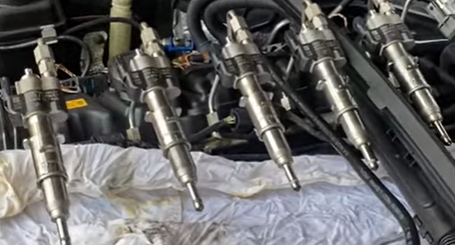
After you’ve ruled out load and simple maintenance, fuel-saving strategies for diesel generators generally lead to injector checks. Problems with the spray pattern, leaks, or pressure can make smoke and fuel use go up a lot. Signs that make a professional inspection necessary:
- Sudden rise in fuel per kWh at the same load
- Rough running or misfire under steady load
- Excess smoke or strong fuel smell
- Hard starts or unstable idle (when idling is required)
Fuel-saving tips for diesel generators should treat injection work as precision work—use qualified service and proper test equipment.
Belts, Bearings, andAlternatorEfficiency

Fuel-saving tips for diesel generators also include reducing mechanical drag. Worn belts, failing bearings, or alternator issues can turn fuel into heat and friction instead of electricity. Practical actions:
| 1 | Check belt tension and alignment |
| 2 | Listen for bearing noise and investigate early |
| 3 | Verify alternator ventilation and cleanliness |
| 4 | Confirm electrical connections are tight and not overheating |
You can adjust the belt yourself by following the tutorial below:
Fuel-Saving Tip 3: Fuel Quality and Storage Management
Even if you take good care of the engine, methods for conserving fuel on diesel generators typically don’t work when the fuel is bad. If you’re looking for “best practices for storing diesel generator fuel,” think of fuel as a perishable item in a supply chain, not a static commodity.
Choose the Right Fuel and Correct Grade
The first step in saving gasoline with diesel generators is to buy fuel that satisfies industry requirements and is appropriate for your climate. Fuel that is of poor quality or the improper grade might leave more deposits, make combustion poorer, and clog filters more often. Some good ways to buy things are:
- Buy from reputable suppliers with consistent turnover
- Request documentation when practical (spec and delivery details)
- Match seasonal requirements for cold weather operation
Fuel-saving tips for diesel generators are more predictable when your fuel supply is consistent week to week.
Keep Tanks Dry, Clean, and Protected from Microbes
To save fuel, keep water out of diesel generator storage tanks. Water can cause corrosion and encourage the growth of microbes. Microbial contamination can generate sludge that clogs filters and makes combustion less stable. Do these things:
| 1 | Drain water bottoms on a schedule |
| 2 | Keep tank vents and caps in good condition |
| 3 | Inspect for sediment and sludge during planned maintenance |
| 4 | Use fuel polishing or cleaning services if contamination is recurring |
Fuel-saving tips for diesel generators also reduce emergency callouts, because “sudden filter plugging” often traces back to tank conditions.
Cleaner Fueling Process: Filter and Verify
When you filter fuel as it enters your system, the tips for saving fuel for diesel generators get better. A simple filter and water separator in the fuelling process can avert a lot of problems down the line. Think about a simple process:
- Check delivery condition (visual check and simple water detection)
- Filter during transfer into the day tank or main tank
- Log deliveries and issues so you can spot supplier patterns
Fuel-saving tips for diesel generators become easier to defend internally when you can show fewer filter swaps and steadier fuel rates after improving handling.
Fuel-Saving Tip 4: Operating Habits and Site Conditions
It’s not just the machine that can help you save fuel while using diesel generators. If you desire “diesel generator fuel efficiency in hot weather” or at high altitudes, you need to think about the environment when you work.
Warm-Up and Cool-Down without Wasting Fuel
One way to save fuel while using a diesel generator is to follow logical warm-up and cool-down practices. The idea is to keep the temperatures steady, not to have long periods of inactivity that use fuel without making electricity. Be practical:
- Follow OEM guidance for warm-up under light load rather than long idle
- Allow appropriate cool-down after heavy load so heat can normalize
- Avoid rapid stop/start cycles that create thermal stress
Fuel-saving tips for diesel generators also protect turbos and exhaust components, which are expensive to replace.
Conclusion
When you treat the list of fuel-saving tips for diesel generators as a routine instead of a one-time campaign, they become more effective.