
Top 5 Most Replaced Parts on Cummins M11 Engines during Maintenance
The Cummins M11 has built a solid reputation over decades of service in heavy-duty trucks, construction equipment, and industrial machinery. It is a dependable engine by most measures but dependable does not mean maintenance-free. Like any high-output diesel running under sustained load, certain components wear down faster than others, and knowing which ones to watch can save you from an unplanned breakdown on a jobsite or highway.
This guide covers the five parts that mechanics and fleet operators replace most often on the M11, along with the warning signs to look for and practical advice on keeping each one running longer.
1. Fuel Injectors
The M11 uses Cummins’ CELECT electronic fuel injection system, which was advanced for its time but places high demands on the injectors themselves. Each injector controls fuel delivery with tight tolerances, and over time especially under dirty fuel conditions or extended service intervals those tolerances degrade.
The most common signs of injector wear include rough idling, excessive black or white exhaust smoke, a noticeable drop in fuel economy, and hard starting. In more advanced cases, the engine may misfire or run unevenly across cylinders. If you are seeing any combination of these symptoms, the injectors are one of the first things worth testing.
Replacement is typically triggered by high mileage, contaminated fuel exposure, or diagnostic results showing uneven fueling across cylinders. When replacing, it is worth verifying compatibility with the specific M11 variant you are working on, since injector calibration requirements differ between early and later builds. Cummins provides detailed injector specifications through their QuickServe Online portal, which is useful for confirming part numbers and calibration codes before ordering.

2. Turbocharger
The turbocharger on the M11 works hard. It spins at tens of thousands of RPM in a high-temperature environment, relying almost entirely on a thin film of engine oil to keep its bearings lubricated. That is why turbo failures tend to trace back to one of two root causes: poor lubrication or oil contamination.
When a turbo starts to go, the symptoms are fairly recognizable. Boost pressure drops, acceleration feels sluggish, and you may notice an unusual whining or screeching noise from the intake side. Oil leaking from around the turbo housing particularly onto the exhaust manifold is another indicator that the seals are breaking down. Left unaddressed, a failing turbo can introduce oil into the combustion chamber, producing blue smoke and compounding the damage.
In many cases, a full turbo replacement is more practical than a rebuild, especially once bearing wear is confirmed. The standard Holset turbocharger used on the M11 (part number 3800471) is widely available through aftermarket suppliers, though OEM replacements are recommended for high-cycle applications. Regardless of which route you take, always change the oil and inspect the oil supply line to the turbo before starting a replacement unit, feeding a new turbo with contaminated oil will shorten its life quickly.
3. Gaskets and Seals
Gaskets and seals are easy to overlook during routine maintenance because they are not replaced on a schedule the way filters are. They tend to fail gradually, and the symptoms can be subtle at first, a slow coolant loss here, a faint smell of burning oil there. By the time the problem becomes obvious, the damage is often more extensive.
On the M11, the head gasket and valve cover gasket are the two most frequently replaced. Head gasket failure is particularly serious. The tell-tale signs are white smoke from the exhaust, coolant disappearing without a visible external leak, the engine running hotter than normal, or oil that looks milky or frothy on the dipstick. Any of these warrants immediate attention, since continued operation with a compromised head gasket can cause cylinder head warping and significantly more expensive repairs.
Valve cover gasket failures are less critical but still worth addressing promptly. Oil seeping around the valve cover creates a mess and, more importantly, can drip onto hot exhaust components, a fire risk that is not worth ignoring.
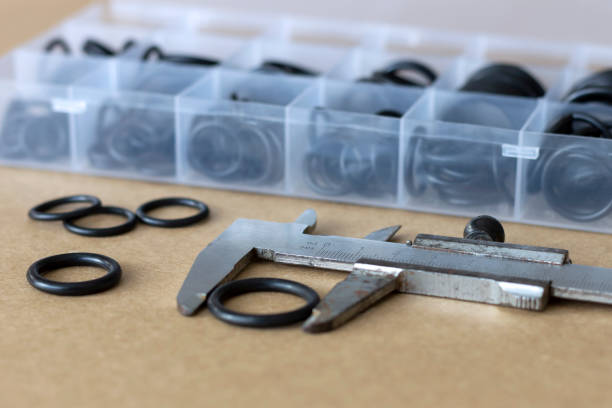
When replacing gaskets on the M11, most experienced mechanics recommend using a complete gasket kit rather than replacing only the failed piece. This avoids the situation where a neighboring gasket fails shortly after, requiring the same teardown all over again. The Cummins service literature outlines torque specifications for head bolt installation, which should be followed carefully to ensure a proper seal.
4. Oil Filter and Water Filter
These two are grouped together because they share the same logic: they are the most routine replacements on the M11 maintenance schedule, yet they are also the ones most likely to be skipped or stretched beyond their service interval.
Cummins specifies an oil filter change every 250 hours or 6 months of operation, whichever comes first. The correct filter for the M11 is the LF9070, and using the right specification matters, oil filtration directly affects bearing life and injector performance. Running a degraded or incorrect filter for an extended period introduces contaminants into passages where clearances are measured in thousandths of an inch.
The water filter is less familiar to operators coming from other engine platforms, but it is a standard item on Cummins diesel maintenance schedules. The M11’s cooling system uses Supplemental Coolant Additives (SCA) to prevent cylinder liner cavitation, a form of pitting caused by pressure fluctuations in the coolant. The water filter is the delivery mechanism for those additives. Neglecting it does not cause immediate, dramatic symptoms, but over thousands of hours it leads to liner pitting that can eventually require an engine overhaul.
For a straightforward overview of Cummins coolant maintenance requirements, the Cummins Filtration resource library is a reliable reference point.
5. Water Pump
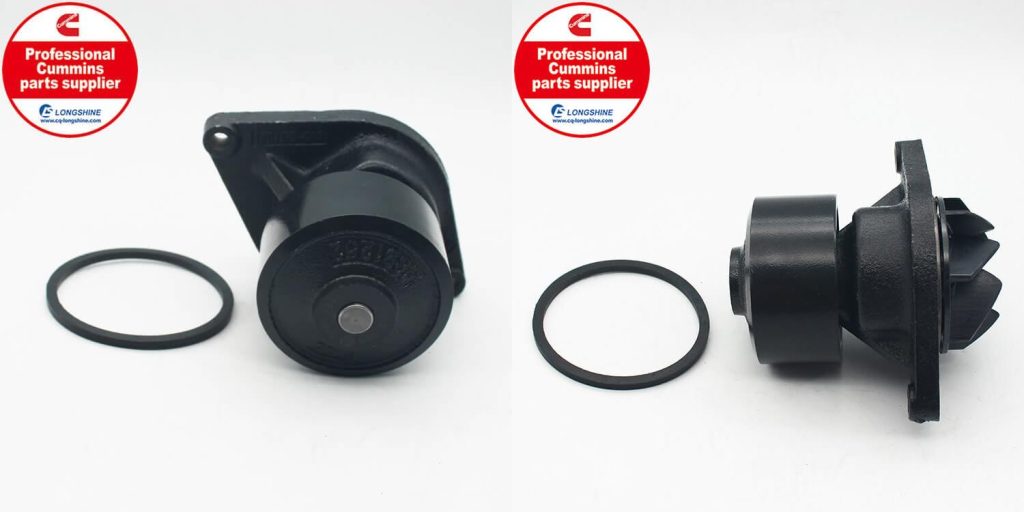
The water pump is the component that keeps coolant circulating through the engine, and on high-mileage M11s it is one of the more predictable failure points. The pump’s internal seal wears over time, and the bearing that supports the impeller shaft eventually develops play. Neither happens suddenly, water pump failure on the M11 is usually a slow progression.
Early signs include a small coolant leak from the weep hole at the bottom of the pump, which is actually a designed-in indicator that the internal seal is beginning to fail. A slight rumbling or grinding noise from the front of the engine at idle can also point to bearing wear. If either of these appears, the pump is telling you it needs attention before it fails completely.
A failed water pump does not just leave you with an overheated engine, it can trigger a cascade of secondary damage. Overheating stresses the head gasket, warps surfaces, and can crack components that were otherwise in good condition. Replacing the pump at the first sign of trouble is considerably cheaper than dealing with what comes after.
It is common practice to replace the thermostat at the same time as the water pump, since accessing the thermostat requires similar disassembly. Doing both in one service visit eliminates the risk of a thermostat failure shortly after a water pump replacement.
How to Extend the Life of These Components
Most premature failures on the M11 come down to a few preventable factors. Using the correct oil specification (CK-4 15W40 is the current Cummins recommendation for the M11/ISM), maintaining proper coolant additive concentrations, and sticking to the 250-hour filter change interval removes the majority of risk from the components listed above.
Fuel quality also plays a significant role in injector and fuel pump longevity. Contaminated or low-lubricity diesel accelerates wear on the CELECT injection system faster than almost anything else. If the engine operates in regions where fuel quality is inconsistent, a fuel water separator that is checked and drained regularly is worth the attention.
Finally, allowing adequate warm-up time before putting the engine under full load particularly in colder conditions reduces thermal shock to gaskets, seals, and the turbocharger.

FAQs
How long does a Cummins M11 engine last?
With proper maintenance, the M11 is capable of reaching 600,000 to over 1,000,000 miles in long-haul trucking applications. Engine longevity depends heavily on oil change discipline, fuel quality, and how the engine is loaded over its service life.
What is the standard maintenance interval for the Cummins M11?
Cummins specifies oil and filter changes every 250 hours or 6 months of operation. The water filter and SCA concentration should also be checked at this interval. Major service items such as valve adjustments follow longer intervals outlined in the engine’s operation and maintenance manual.
How do I know if my M11 injectors need replacing?
Common indicators include rough idle, uneven power delivery, increased exhaust smoke, and worsening fuel economy. Diagnostic tools that test individual injector output can confirm whether the issue is fueling-related before committing to a replacement.
Are aftermarket parts suitable for the Cummins M11?
Quality aftermarket parts from reputable suppliers work well for most M11 maintenance and repair needs. For injectors and turbochargers specifically, verifying compatibility with your engine’s build year and configuration is important, as calibration and fitment requirements vary.