
Why Is My Cummins Losing Coolant With No Visible Leak?
You check the coolant reservoir one morning, and it’s low again. You look under the truck: no puddle, no drips, nothing on the ground. So where is it going?
This is one of the more frustrating problems Cummins owners deal with, because the obvious signs just aren’t there. But the coolant has to go somewhere. And in most cases, it’s going somewhere internal which is actually more serious than a simple external leak you can spot and fix.
Here’s a breakdown of the most common causes, how to identify them, and what you should do before the problem turns into an engine rebuild.
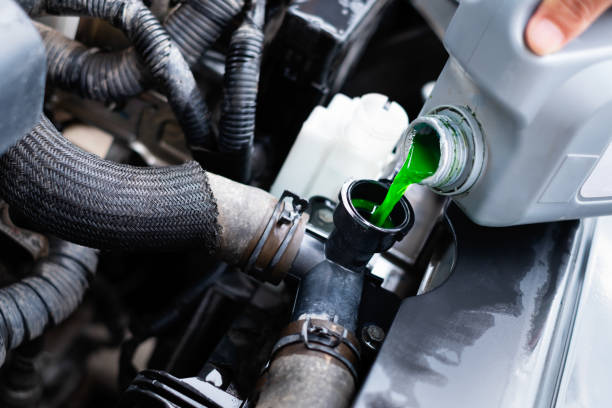
The Coolant Is Probably Going Internal
When there’s no visible leak outside the engine, coolant is typically either burning off through combustion or leaking into the oil system. Both scenarios are serious, and neither is obvious until you know what to look for.
The key difference between the two: if it’s burning, you’ll eventually see white smoke from the exhaust. If it’s mixing with oil, your dipstick will tell the story the oil will look milky or frothy, almost like a coffee creamer got in there.
Check both before you go any further.
1. Failed EGR Cooler
On Cummins ISX, ISB, and similar electronically controlled engines, the EGR (Exhaust Gas Recirculation) cooler is one of the most common culprits behind internal coolant loss.
The EGR cooler uses engine coolant to reduce the temperature of exhaust gases before they re-enter the intake. When the cooler develops a crack or a failed seal, coolant leaks directly into the exhaust stream. You may see white smoke at startup that clears as the engine warms up, or it may be intermittent. The coolant level drops over time with no visible external leak.
This is a well-documented failure point on Cummins engines, particularly with higher mileage. Cummins themselves have issued service bulletins related to EGR cooler performance, so if your truck is within a certain range and configuration, it’s worth checking whether there’s a bulletin that applies.
2. Head Gasket or Head Cracking
A failed head gasket allows coolant to pass into the combustion chamber. The engine burns it off, and it exits as white or light gray steam-like smoke from the exhaust especially on cold starts.
Cummins engines are generally well-built, but head gaskets do fail, particularly if the engine has been overheated at any point. Even a single overheat event can compromise the gasket over time.
There’s a simple test you can do before pulling anything apart: a combustion leak test kit (often called a block test or CO2 leak test) uses a chemical solution that changes color when combustion gases are present in the coolant. You can find these kits at most auto parts stores for under $20. If the solution changes from blue to yellow, combustion gases are getting into the cooling system and that almost certainly means a head gasket issue.
Alongside that, have a shop perform a pressure test on the cooling system. If it drops pressure without an external leak present, the problem is internal.
3. Cracked Cylinder Liner or Cavitation Erosion
This one is specific to diesel engines and often overlooked. Cummins wet-sleeve engines where the cylinder liners contact the coolant directly can develop microscopic pitting on the outside of the liner over time. This is called cavitation erosion, and it’s caused by pressure fluctuations in the coolant from the vibration of combustion.
Eventually, those pits become pinholes, and coolant enters the combustion chamber in very small amounts. You might lose only a small amount of coolant over time, with minimal or no visible smoke at first.
This is why Cummins specifies the use of DCA (Diesel Coolant Additive) in their cooling systems. DCA creates a protective film on the liner surface to prevent cavitation. If this additive has been neglected, liner pitting is a real possibility on higher-mileage engines. You can read more about Cummins cooling system maintenance guidelines here.
4. Coolant Entering the Oil System
If your coolant is disappearing but you’re not seeing any white smoke, it may be bypassing combustion entirely and mixing with the engine oil.
Causes include:
- A failed head gasket with a different breach point than combustion
- A cracked oil cooler
- Failed O-rings around the oil cooler housing
Pull the dipstick and look carefully at the oil on the stick. Healthy oil is amber to dark brown. Oil contaminated with coolant will look grayish, milky, or have a mayonnaise-like texture, especially near the fill cap. If you see this, stop driving the truck immediately. Coolant in the oil removes its lubricating properties, and internal engine damage can follow quickly.
A simple oil analysis from a lab like Blackstone Laboratories or Oil Analyzers Inc. can confirm coolant contamination before you tear anything apart. These tests typically cost around $30–$40 and provide a detailed breakdown of what’s in your oil.
5. Pressure Cap and Overflow Loss
Before assuming the worst, rule out something simple: the pressure cap.
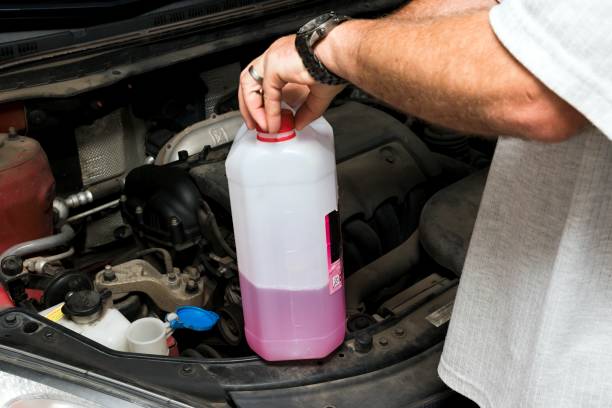
A weak or failing radiator cap won’t hold proper system pressure. When the coolant heats up and expands, instead of staying in the system, it gets pushed out through the overflow and doesn’t return when things cool down. Over time, the reservoir level looks fine, but the actual system loses coolant.
Pressure caps are inexpensive and easy to test most shops will test yours for free. If it’s not holding pressure to the rated spec (usually 13–16 PSI on most Cummins applications), replace it before spending any money on diagnostics.
6. Air Pockets and Improper Bleeding
Sometimes what looks like coolant loss is actually air in the system that wasn’t bled out after a previous repair or coolant flush. Air pockets can make the level appear inconsistent, and in some cases, cause coolant to be pushed out through the overflow when the air expands.
If you’ve recently had work done on the cooling system or did a coolant change yourself, make sure the system was properly bled. Cummins engines can be particular about this, some require running with the heater on and cycling the RPMs while the thermostat opens to fully purge the air.
How to Approach This Systematically
Rather than throwing parts at the problem, a logical approach saves time and money:
Step 1: Check the oil dipstick and oil fill cap for any signs of coolant contamination. If you find any, stop driving immediately.
Step 2: Perform a block test (combustion leak test) on the coolant reservoir. This rules in or out a head gasket/liner issue within minutes.
Step 3: Pressure test the cooling system. If it won’t hold pressure with no external leak visible, the leak is internal.
Step 4: Inspect the radiator cap and overflow bottle for function and proper sealing.
Step 5: If the above are inconclusive, have a shop inspect the EGR cooler specifically, as this is a common point of failure on modern Cummins engines.
Step 6: Consider an oil analysis if you want confirmation before doing any teardown work.
Don’t Wait on This One
Coolant loss without a visible leak is not a “wait and see” situation. Running a diesel engine with low coolant risks overheating, and overheating a Cummins even once can cause damage that’s expensive to repair. More importantly, if coolant is entering the combustion chamber or mixing with oil, continued operation accelerates wear on internal components.
The good news is that most of these issues are diagnosable without major disassembly. Start with the simple checks first, work through the list, and you’ll most likely find the source before it becomes a much larger problem.
If you’re troubleshooting a Cummins engine and need reliable replacement parts, Longshine specializes in Cummins diesel engine equipment and related spare parts, providing solutions that help keep your equipment running efficiently and reduce downtime.