
Cummins CP8 vs. CP4 Fuel Pump: Is the New Part Actually More Reliable?
If you’ve been following the 6.7L Cummins community for any length of time, you already know that “fuel pump” is one of those topics that tends to make people uncomfortable. And for good reason — one failed pump can turn a routine repair into a five-figure bill. So when Cummins introduced the new Bosch CP8 on the 2025 6.7L, the reaction was predictable: cautious optimism from some, and a healthy dose of skepticism from everyone else.
This article breaks down exactly what changed, why the old CP4 failed so many owners, and whether the CP8 is a genuine fix — or just a new name on an old problem.
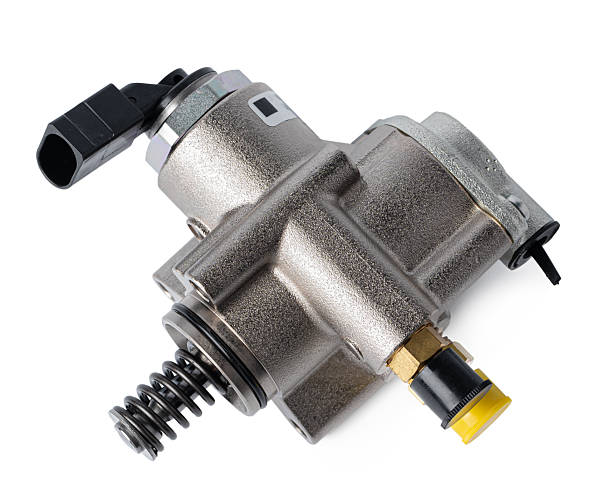
A Brief History of Cummins Fuel Pump
To understand why the CP8 matters, you need to know the story behind its predecessors.
From 2007 to 2018, the 6.7L Cummins ran on the Bosch CP3 — a three-plunger pump that built a reputation for being nearly indestructible. Owners put hundreds of thousands of miles on it without major issues. It wasn’t flashy, but it worked.
Then came 2019. Cummins and Ram rolled out a redesigned engine with a new block, stronger internals, and 1,000 lb-ft of torque. On paper, it was a significant step forward. But tucked inside that new engine was the Bosch CP4.2 — a pump that had already earned a troubled reputation in GM’s LML Duramax before it ever showed up in a Ram.
The backlash was swift. By November 2021, Stellantis had issued a recall covering more than 222,000 trucks, pulling every CP4.2 from 2019 and 2020 model year Rams and replacing it with the CP3. The 2021–2024 lineup ran the CP3 again — stable, reliable, no drama.
Now it’s 2025, and Cummins has introduced the CP8. The question every current and prospective owner is asking: are we about to watch this cycle repeat?
Why Did the Cummins CP4 Fail So Often?
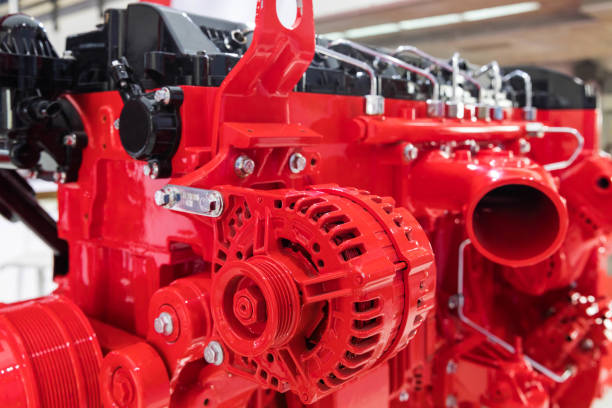
Before evaluating the CP8, it helps to understand exactly what went wrong with the CP4.
The core issue was lubrication. Like most high-pressure diesel pumps, the CP4 used diesel fuel itself to lubricate its internal moving parts. That worked reasonably well in other markets — but in the United States, ultra-low sulfur diesel (ULSD) has significantly lower lubricity than older diesel formulations. The CP4’s internal tolerances were tight enough that this mattered. Over time, those parts wore down, generating metal debris.
Here’s where it gets expensive: that debris didn’t just stay inside the pump. It got pushed downstream at high pressure — into the fuel rail, into the injectors, and throughout the entire system. A pump failure wasn’t just a pump failure. It was often a full fuel system replacement.
Air intrusion was another major factor. Improper fuel filter installation — something as simple as not fully priming the system after a filter change — could introduce air into the pump and accelerate wear dramatically. Drivingline’s detailed breakdown of the CP4 failure mode is worth reading if you want the full picture.
Warning signs typically included hard cold starts, rough idle, sluggish acceleration, and unusual noise near the pump. By the time those symptoms showed up, the damage was often already done.
What the CP8 Actually Changed
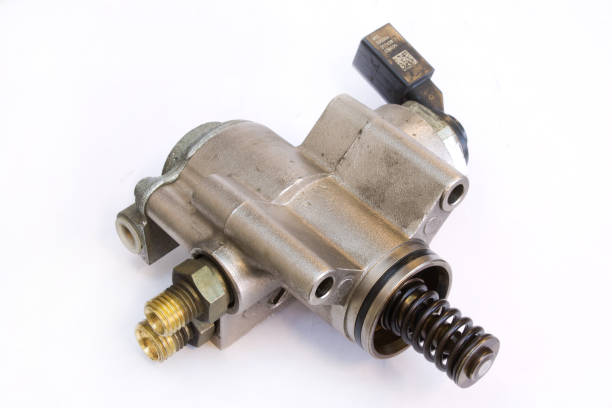
When you look at a CP8 next to a CP4.2, they look almost identical from the outside. That visual similarity has understandably made some owners nervous. But according to Cummins and Bosch, the internals are a different story — and one change in particular stands out.
The lubrication circuit is now completely separate.
On the CP4, the same fuel that fed the injectors also lubricated the pump internals. On the CP8, those two circuits are isolated. The fuel used for lubrication goes through its own dedicated filter, circulates through the pump’s rotating components, and then routes back to the fuel tank — entirely separate from the high-pressure side that feeds the injectors. Turbo Diesel Register’s first review of the 2025 engine confirmed this design directly with Cummins engineers.
That’s not a minor tweak. The entire failure chain that made the CP4 so destructive — metal debris contaminating the high-pressure fuel system — is fundamentally interrupted by this design change.
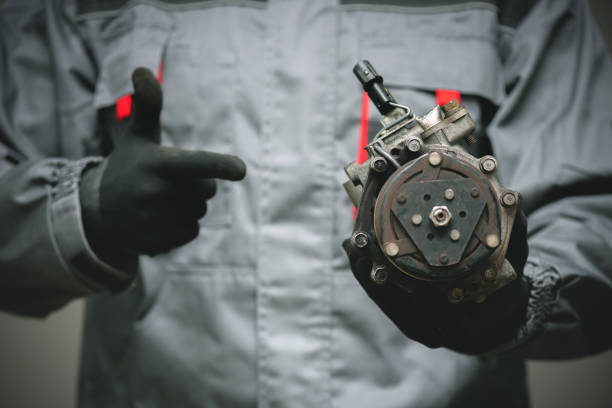
Beyond lubrication, there were other meaningful updates. The roller-and-shoe architecture used in the CP4 was replaced with a pinned roller-tappet design, which reduces internal wear at the component level. Working pressure was also increased from 32,000 PSI (2,000 bar) to 39,000 PSI (2,200 bar), which required stronger internal components throughout.
Cummins also developed a new validation process called the “Killer Test” — running the pump on out-of-specification fuel at extreme temperatures and pressures until failure, specifically to find weak points before production. It’s the kind of test that would have been useful to run on the CP4 before that pump went into 222,000 trucks.
Three Generations at a Glance
| CP3 (2007–2018 / 2021–2024) | CP4.2 (2019–2020) | CP8 (2025–present) | |
| Plungers | 3 | 2 | 2 (redesigned) |
| Max Pressure | ~26,000 PSI | ~32,000 PSI | ~39,000 PSI |
| Lubrication | Shared with fuel circuit | Shared with fuel circuit | Independent loop |
| Fuel quality sensitivity | Low | High | TBD |
| Long-term reputation | ⭐⭐⭐⭐⭐ | ⭐⭐ | Unknown |
The Community’s Concerns Are Reasonable
Even with the engineering improvements, the skepticism in the diesel community is understandable — and not irrational.
The CP8’s visual similarity to the CP4 is the most common complaint in forums like Cummins Diesel Forum, and it speaks to a broader trust issue. Cummins told owners the CP4 was a step forward too. The recall that followed covered nearly a quarter-million trucks.
There’s also the matter of time. The 2025 model year trucks haven’t been on the road long enough to generate meaningful long-term data. A fuel pump that passes validation testing may still have failure patterns that only show up after 150,000 miles, in specific operating conditions, or with particular fuel sources. The diesel community has been burned by premature optimism before, and they’re right to wait for real-world results before reaching a verdict.
The separate lubrication circuit also raises a practical maintenance question that hasn’t been fully addressed in owner documentation yet: does this circuit require its own maintenance interval, and what happens if that small filter gets clogged?
What This Means for Your Truck
If you own a 2019–2020 Ram with a 6.7L Cummins, the first thing to verify is whether the CP4-to-CP3 recall was completed. Stellantis notified owners, but not every vehicle made it into a dealership. If you bought one used and aren’t sure of its service history, contact your dealer with the VIN. Don’t assume it was done.
If you own a 2021–2024 model, you’re running the CP3 and the situation is stable. That said, it’s still worth keeping a quality fuel additive in rotation — products designed to improve diesel lubricity help protect the entire fuel system, not just the pump. Maintaining your lift pump and ensuring there’s no air infiltration during filter changes remains just as important as it’s always been. S&S Diesel Motorsport remains a trusted resource for CP3-related upgrades and disaster prevention kits if you want additional peace of mind.
If you’re driving a 2025 model or considering buying one, the honest advice is to stay within your factory warranty coverage while the real-world data accumulates. The independent lubrication circuit is a legitimate engineering improvement — not a marketing claim — but one year of production isn’t enough to confirm durability at the scale that matters. Keep an eye on owner reports through 2026 and 2027 before drawing firm conclusions.
For all owners: correct fuel filter installation matters more than most people realize. A filter that isn’t properly seated or fully primed can introduce air into the high-pressure system and cause damage that has nothing to do with the pump’s design. It’s a simple step, but it’s one of the most common causes of fuel system damage across every generation of this engine.The safest position right now is this: the CP8 is better designed than the CP4, and probably better than a lot of people give it credit for. But whether it earns the same long-term reputation as the CP3 is a question that can only be answered by time and miles.