
7 Most Common Cummins X15 Problems: Every Owner Should Know
The Cummins X15 has earned a strong reputation in the heavy-duty trucking world and for good reason. It powers everything from long-haul semi trucks and Class 8 freight haulers to motorhomes and fire apparatus, delivering between 400 and 600 horsepower depending on configuration. For a diesel engine expected to run a million miles, it mostly delivers.
However, like any high-output engine, the X15 has a few recurring weak spots that show up often enough to be worth knowing before they catch you off guard. Some are straightforward maintenance issues. Others are more serious including two NHTSA safety recalls. Either way, knowing what to look for is the difference between a quick fix and a full engine rebuild.
Here are the seven most common Cummins X15 problems, along with what causes them and what you can do about each one.
What Is the Cummins X15?
Before getting into the problems, a quick note on terminology: the X15 is the successor to the ISX15, which itself replaced the older N14 and M11 lines. If you’re searching for ISX15 problems and landing here, a lot of this will still apply, the two engines share a lot of DNA, though the X15 introduced updated low-friction components including a revised water pump, oil pump, geartrain, and pistons.
The X15 is currently one of Cummins’ flagship heavy-duty engines and remains widely used across North America and international markets.
7 Common Cummins X15 Problems
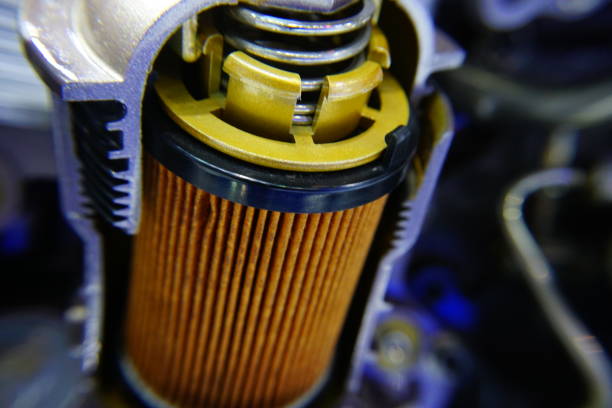
1. Fuel Filter Clogging
This is probably the most frequently reported complaint among X15 owners, and it tends to come up fast, often well before the filter should need replacing under normal conditions.
What you’ll notice: The engine loses power gradually, especially under load. You might see reduced throttle response or the engine struggling to maintain speed on inclines.
What’s causing it: Two main culprits. First, residual particulate matter in the fuel itself. Second, cold temperatures. Diesel fuel can partially wax in low temperatures, and the X15’s factory-fitted 10-micron filter catches it all. Fleet operators in northern climates tend to hit this problem harder than those running warmer routes.
What to do: Switching to a 20-micron or 30-micron filter reduces clogging frequency, though it should only be done with guidance from a qualified technician since it affects filtration efficiency. For cold-climate operations, adding a fuel filter heater or an in-tank heater is a more sustainable fix. Also worth checking: where you’re fueling. A dirty batch from an unfamiliar stop can accelerate clogging significantly.
2. EGR Cooler Failure
This one has an official paper trail. Cummins issued Technical Service Bulletin TSB170038 specifically addressing a known failure mode in the X15’s EGR cooler.
What you’ll notice: White smoke from the exhaust, coolant level dropping without an obvious leak, engine running hotter than normal, and fault codes FC2387 or FC3616 showing up on your diagnostic scanner.
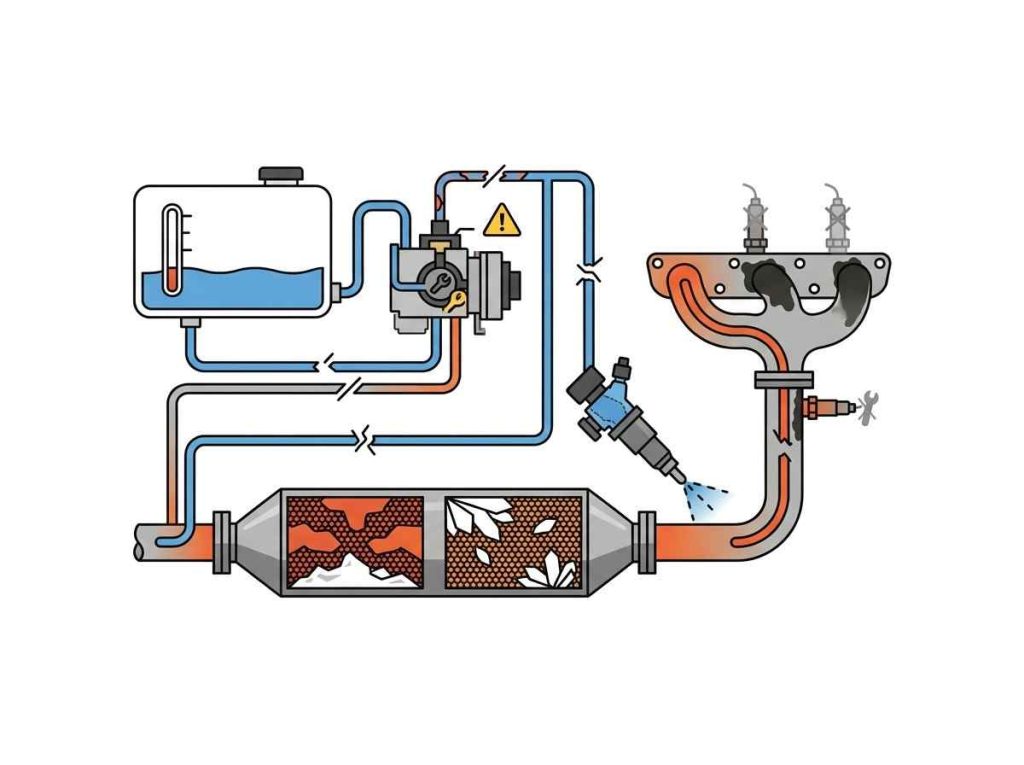
What’s causing it: The internal heat shield inside certain EGR cooler assemblies (Part Number 4337587) can crack. When that happens, metal fragments enter the turbocharger, damaging the VGT nozzle vanes and causing the turbo actuator to stick. The TSB was issued in 2017, but engines with this cooler part number still in service remain at risk.
What to do: Check your EGR cooler part number. If it matches the affected unit, replace it, don’t wait for symptoms. If fault codes FC2387 or FC3616 are already present, inspect the turbocharger for vane damage before putting the truck back into service.
3. DEF System Malfunctions
The X15 uses a full aftertreatment system to meet EPA emissions standards. When any part of that system starts failing, the fault codes come quickly.
What you’ll notice: Warning lights related to the aftertreatment system, fault codes SPN 1761, 3364, or 3031, reduced engine power as the system derate kicks in.
What’s causing it: DEF sensor head failures are the most common entry point. From there, the problem often cascades, a faulty DEF sensor can mask a DPF breach (flagged by SPN 3936 FMI 2), and failing to catch it early means replacing more components later. Clogged DEF injector nozzles from crystallized urea are another frequent contributor.
What to do: If you’re seeing these fault codes, start with the DEF sensor head. It’s also worth replacing the aftertreatment temperature sensor module and DPF differential pressure sensor at the same time if the DPF is being serviced, they’re relatively low-cost components and often degrade together. Use only high-quality DEF fluid that meets ISO 22241 standards; off-spec fluid accelerates nozzle clogging.
4. Fuel Pump Failure — Including Two Safety Recalls
This is where things get more serious. The Cummins X15 has been subject to two separate NHTSA safety recalls related to the fuel pump, and owners should verify whether their engine is covered.
Recall 1 (NHTSA 17E029000): Certain X15 engines manufactured between September 2016 and April 2017 have a fuel pump drive gear that can slip on its shaft, causing complete loss of fuel pump function and engine stall.
Recall 2 (NHTSA 18V668): Engines manufactured between December 2015 and July 2018 have a separate issue, if the fuel pump cooling circuit screens become restricted and the engine is operated during extended downhill motoring, a nylon fuel line can burst. The engine will then fail to restart when the accelerator is pressed.
What to do: Check your engine’s serial number against both recalls on the NHTSA database. If your engine is affected and the recall remedy hasn’t been completed, contact your Cummins dealer. Don’t wait on this one.
5. Camshaft Wear
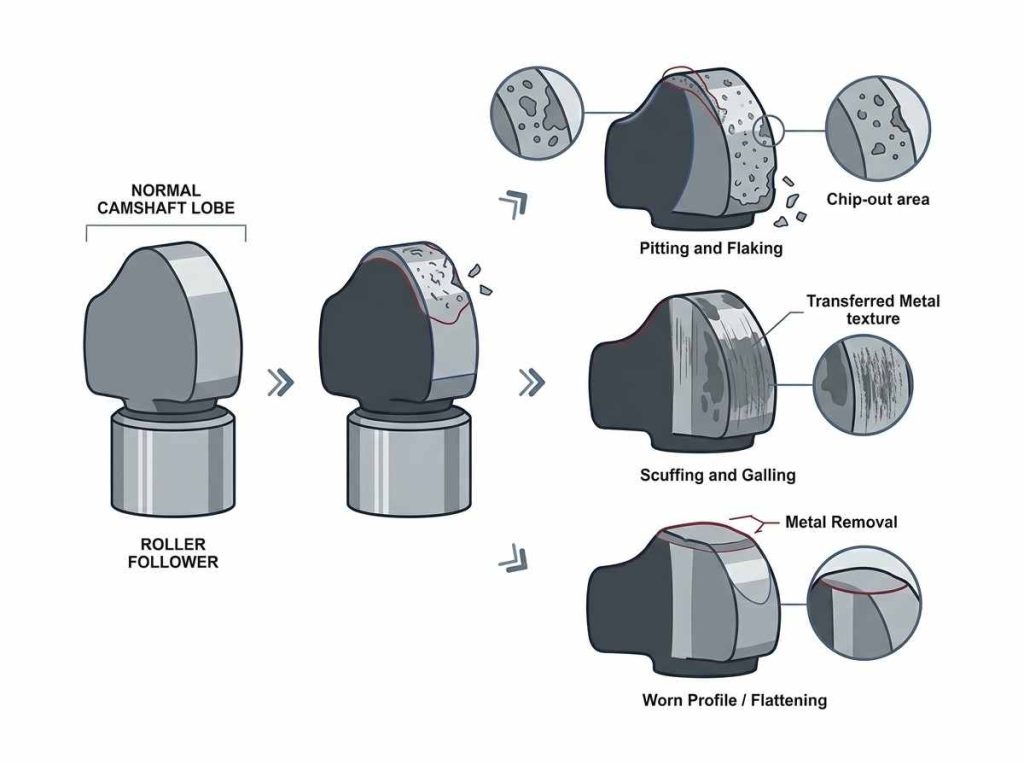
Camshaft wear in the X15 is tricky because it develops quietly. By the time symptoms become obvious, the damage is usually already done.
What you’ll notice: Unusual knocking or ticking sounds from the valve train, gradual power loss, rough idle. Diagnosing it definitively often requires partial engine disassembly.
What’s causing it: The X15’s rocker arms don’t always distribute oil evenly across all contact surfaces. When certain areas run dry even briefly, the cam lobes wear faster than they should. This is more common in engines that have gone longer than recommended between oil changes, or that were run with low oil pressure at some point.
What to do: If wear is confirmed, replacement or upgrade to a higher-spec camshaft is the only real fix. The better approach is prevention: stick to Cummins’ recommended oil change intervals, use the correct oil specification, and address any low oil pressure warnings immediately rather than monitoring them. For a full breakdown of oil capacity and specs, see How Much Oil Does a Cummins X15 Take.
6. Cylinder Liner Problems
The X15 uses a mid-stop steel cylinder liner design, the liner sits in the block and is supported midway down its length. Under normal conditions, this works well. When something goes wrong with a piston, though, the liner design becomes a liability.
What you’ll notice: Coolant pressure dropping, coolant disappearing faster than normal, the engine running hot. These are early warning signs. If you ignore them, a seized piston can break the liner at its unsupported lower end, and if the connecting rod comes loose from there, you’re looking at catastrophic engine failure.
What to do: Take the warning signs seriously. A drop in coolant pressure or unexplained coolant loss is not a “monitor and see” situation in an X15. Get it inspected. Do not continue operating the truck if you’re seeing multiple symptoms together.
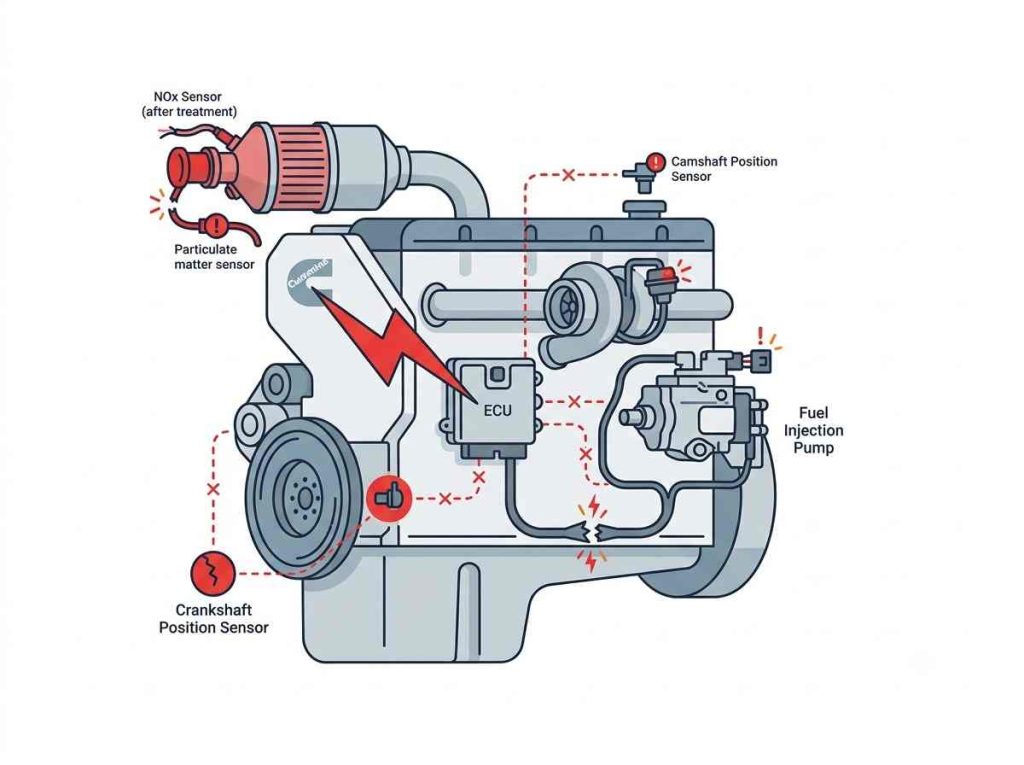
7. Electrical and Sensor Failures
Sensor failures in the X15 tend to be frustrating because they’re intermittent. The engine runs fine for a while, then a code appears, then clears itself until it doesn’t.
What you’ll notice: Hard starting, fault codes that come and go, inaccurate readings from temperature, pressure, or oxygen sensors, occasional rough running without an obvious mechanical cause.
What’s causing it: Worn wiring harnesses and corroded connectors are the most common root cause, especially in high-mileage engines. The connectors in the engine bay are exposed to constant heat cycling and vibration, which degrades the connection over time. Individual sensor failures are secondary, if the wiring is in poor shape, sensors will keep failing even after replacement.
What to do: Use a Cummins INSITE or compatible OBD-II scanner to pull fault codes. Before replacing sensors, inspect the wiring harness and connector pins for corrosion, chafing, or loose seating. Replacing a sensor without fixing a corroded connector underneath it just delays the problem.
How to Diagnose X15 Problems
For most of the issues above, the starting point is the same: pull the fault codes first. Cummins INSITE software gives the most complete picture, but a quality OBD-II scanner will surface the major codes. From there, a visual inspection — looking for leaks, discoloration, worn components — usually points in the right direction.
For EGR, DPF, cylinder liner, and fuel system issues, professional diagnosis is strongly recommended. Some of these systems interact in ways that make self-diagnosis unreliable, and misdiagnosing them can make the repair significantly more expensive.
Maintenance Tips That Prevent Most of These Problems
The majority of X15 problems covered here share a common thread: they’re worse when maintenance slips. A few habits go a long way:
- Change the oil on schedule using the correct specification. Camshaft wear and connecting rod damage both trace back to inadequate lubrication.
- Use quality fuel from reliable sources, especially in cold climates.
- Keep DEF fluid topped up and use ISO 22241-compliant fluid only.
- Check NHTSA for open recalls on your engine serial number at least once a year.
- Don’t ignore coolant loss, even if it seems minor.
For Cummins X15 parts, replacement components, and technical support, Longshine specializes in Cummins engine equipment and genuine spare parts.
FAQ
What are the most common Cummins X15 problems?
EGR cooler failure, fuel filter clogging, DEF system faults, fuel pump issues (including two NHTSA recalls), camshaft wear, cylinder liner cracking, and electrical/sensor failures are the most frequently reported.
Is the Cummins X15 a reliable engine?
Generally yes, it’s one of the more durable engines in the heavy-duty segment and can exceed one million miles with proper maintenance. The issues above are recurring but manageable if caught early.
What is the difference between the ISX15 and X15?
The X15 is the updated version of the ISX15. Key changes include lower-friction components, revised water pump, oil pump, geartrain, and pistons, along with better emissions compliance. Many parts and problems overlap between the two.
Does the Cummins X15 have any recalls?
Yes. Two NHTSA recalls cover fuel pump issues: 17E029000 (drive gear slippage) and 18V668 (nylon fuel line burst risk under extended downhill operation). Check the NHTSA database using your engine serial number to confirm whether your unit is affected.
How long does a Cummins X15 last?
A well-maintained X15 can run well past 1,000,000 miles. The engine’s longevity is largely a function of oil change discipline, fuel quality, and addressing small problems before they compound.