

Ultimate Diesel and Gasoline Generators Comparison: Pros, Cons & Best Uses
When the electricity goes out at home or at a factory, it can be hard to choose between diesel and gasoline generators. Do you want something that can last for a long time or something small and easy to move? This article makes it easy to choose the proper diesel or gasoline generator for your needs by giving you straightforward data.
Part 1. What Are Diesel Generators and Gasoline Generators
Before we go into the technicalities, let’s make sure we understand what makes diesel and gasoline generators distinct. If you know the essentials, you can figure out which one is better for your situation.
Core Definitions
Diesel generators use diesel fuel and an engine that ignites the fuel with high pressure (no spark plugs are needed). They are made to run for a long time and with a lot of power. For example, they can power industries, hospitals, or big construction sites.
Gasoline Generators: To start the engine, these need gasoline and a spark plug. Most of them are modest (1kW to 20kW) and designed to be easy to move and start quickly. They are great for camping vacations, as backups for lights and fridges at home, or for modest DIY projects.
How They Work
Diesel generators function by compressing diesel fuel in the engine until it gets hot and catches fire. This gives them powerful, steady electricity for hours. Gasoline generators, on the other hand, use a spark to fire the gasoline mix. This means they start up quickly (which is wonderful in an emergency), but they can’t handle big loads for very long without breaking down.
If you need a generator for daily industrial use or just for backup at home, knowing these principles can help you compare diesel and gasoline generators later.
Part 2. Diesel vs Gasoline Generators: Key Specs Compared
When shopping for a generator, specs like power, fuel use, and size matter most. Below is a simple table that contrasts diesel generators and gasoline generators—so you can see the differences at a glance.
| Comparison Factor | Diesel Generators | Gasoline Generators |
| Power Range | Covers medium to high power (50kW+) | Mostly small power (1kW to 20kW, home-use) |
| Fuel Cost & Usage | Diesel is cheaper per gallon; uses 30% less fuel than gas models | Gas is more expensive; uses more fuel |
| Power Labeling | Clearly lists “standby power” (short-term) and “continuous power” (long-term) | Often only lists one power rating (risk of overpromising) |
| Size & Portability | Large, heavy—usually fixed in place | Small, light (20–50kg)—easy to carry/move |
| Engine Speed | 1500 RPM (slower, lasts longer) | 1800 RPM (faster, wears out sooner) |
| Weather Resistance | Handles tough conditions (high altitudes, cold) | Struggles in extreme cold/high altitudes |
Part 3. Pros and Cons of Diesel Generators
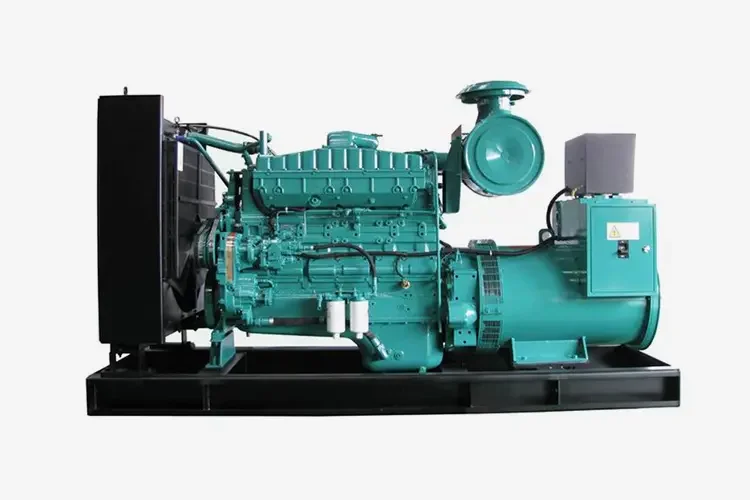
Diesel generators are great for businesses and factories, but they aren’t always the best choice. Let’s look at their greatest pros and cons, which are important components of any comparison of diesel and gasoline generators.
Pros of Diesel Generators
- High Power and Heavy Loads: They can easily manage enormous workloads like powering factories, data centers, or even whole hospitals. You won’t have to worry about them shutting off in the middle of use when the load is excessive.
- Lower long-term costs: These generators consume less diesel fuel, which is cheaper. If you use it regularly for more than a year, you’ll save more on gas than you would with a gas generator.
- Strong and long-lasting: Their engines run at a slower pace (1500 RPM), which means they don’t wear out as quickly. A diesel generator that is taken care of can last between 10,000 and 30,000 hours, which is a lot longer than most gasoline models.
- Tough Against Weather: They function well in frigid winters, at high altitudes, or on dusty industrial locations. You won’t have to worry about them breaking down in bad weather.
Cons of Diesel Generators
1. Big and Hard to Move: Most diesel generators are too big and heavy to move, so you’ll have to put them in one place. They aren’t great for camping or short-term employment that demand moving.
2. Slow to Start: They need time to warm up, especially when it’s chilly outside, so they might not be the greatest choice for abrupt power outages when you need power right away.
3. Higher Upfront Cost: A diesel generator will cost you more to buy up front. The initial cost can be too high for small enterprises or homeowners, but you’ll save money on fuel afterward.
Part 4. Pros and Cons of Gasoline Generators
Gasoline generators are popular for homes and outdoor activities, but they have limits. Let’s look at their pros and cons to complete the diesel and gasoline generators comparison.
Pros of Gasoline Generators
- They’re compact and light, so you can easily lift one into your car for camping or transport it to a project in your backyard. No need to install it permanently.
- Quick to Start: They start up in seconds, even when it’s only a little cold, so they’re great for unexpected power outages at home or last-minute travels outside.
- Quiet Operation: Most gasoline generators run at 55–80 dB, which is quiet enough to use when camping or near your home without bothering your neighbors.
- Uncomplicated to take care of: Basic tasks like changing the oil or cleaning the filters are uncomplicated, and you can purchase parts at hardware stores. You don’t need a professional to keep it going.
Cons of Gasoline Generators
1. Low Power Limit: They don’t usually go above 20kW, therefore they can’t power industries, big stores, or heavy construction equipment.
2. Higher long-term fuel costs: These generators require more fuel than diesel, which is more expensive than gasoline. The cost of gas adds up quickly if you use one often.
3. Not as long-lasting: Their engines run at 1800 RPM, which wears out parts faster. A gasoline generator usually lasts between 5,000 and 15,000 hours, which is half as long as a diesel generator.
4. Problems with Extreme Weather: They are hard to start when it’s colder than -5°C, and their power reduces when they are at high elevations. They aren’t made to work in severe industrial settings.
Part 5. How to Choose Generators by Scenarios
What you need the generator for will determine which one is ideal. This is a basic guide to help you choose between diesel and gasoline generators for common usage. This will help you make a decision based on the comparison of diesel and gasoline generators.
Places of Business
Pick diesel generators. Heavy machines, including drills and assembly lines, need power all the time on these sites. Diesel models can manage heavy quantities of power, last a long time, and work in bad weather, which is quite important for keeping things going.
Buildings for Business
Pick diesel generators. A power outage here can cost thousands of dollars or even put lives at danger in hospitals. When the electricity goes out, diesel generators can kick in and provide reliable backup power. They are also budget-friendly for frequent use because their long-term fuel costs are cheap.
Small Businesses and Short-Term Jobs
If you require 10 to 30 kW (for example, to power a café’s fridges and registers), a gasoline generator will work. You may move it if you need to.
If you need 30–100kW (such to run a small construction crew’s tools), a diesel generator is superior because it saves fuel and power for longer projects.
Backup for the home and outdoor activities
Pick generators that run on gas. Five to ten thousand watts is adequate to power lights, Wi-Fi, and refrigerators at home. A compact gasoline generator is easy to transport and quiet enough for campgrounds, making it great for camping. A diesel generator costs more up front, but you won’t use it enough to make up for the extra expense.
Part 6. Tips to Avoid Mistakes
It’s still possible to make mistakes even with our comparison of diesel and gasoline generators. Here are several easy ways to choose the proper generator:
1. Don’t just pay attention to the numbers for power: Diesel generators have “standby power” (short-term) and “continuous power” (long-term). For daily use, choose continuous power. Gasoline generators frequently only list one figure, so presume it’s standby power (use 80% of it for regular loads).
2. Don’t simply look at the upfront price; add up the overall cost. It costs more to acquire diesel generators, but they save on fuel. Gasoline generators are cheaper to buy, but they cost more over time. Diesel is preferable if you utilize it more than 800 hours a year.
3. Store fuel properly: Diesel can go bad in 6 to 12 months (include a stabilizer), and gasoline will evaporate if it isn’t sealed. Choose a generator based on how often you’ll use it. Use diesel for regular use and gasoline for occasional use.
4. Pick a brand you can trust: Look for brands that have good reviews and parts that are easy to find. This makes sure that your generator lasts and that you can receive help if it breaks.
Final Thoughts
No matter which you choose, make sure it matches your power needs and how often you’ll use it. This way, you’ll get reliable electricity without wasting money.
FAQ
Q1: Can I utilize a big diesel generator as a backup for my home?
A: No. For domestic use, large diesel generators are too enormous, heavy, and expensive. Most households only need 5–10kW, thus small gasoline or diesel generators are better and less expensive.
Q2: Do diesel generators cost more than gasoline generators? Will I save money in the long run?
A: Yes, diesel generators cost two to three times as much up front. But they use less fuel and are cheaper. If you use them for more than 800 hours a year, you’ll get your money back in 2–3 years. The more you utilize it, the more money you save.
Q3: What can I do if my gas generator won’t start in the winter?
A: Try these three things: 1) Use gas that has an additive for cold weather. 2) First, use a heating pad to warm up the engine. 3) Get one that comes with a “cold start kit.” A diesel generator with a heater is more reliable in really cold weather.
Q4: Is it hard for beginners to take care of a diesel generator?
A: Small ones are easy. You just need to change the oil every 500 hours, clean the filters every 200 hours, and check the coolant. Big industrial ones need professionals, but most homeowners and small businesses don’t. Read the brand’s instructions.