
Don’t Let a Dowel Pin Destroy Your Engine: How to Fix the 12V/24V Cummins KDP?
In the world of diesel engines, the 5.9L Cummins is often regarded as bulletproof due to its near-legendary durability. However, even an engine capable of running hundreds of thousands of miles has a deeply ironic minor design flaw. That flaw is known as the Killer Dowel Pin (KDP).
Although the part costs less than one dollar, ignoring it can result in the complete destruction of your engine—without any warning.
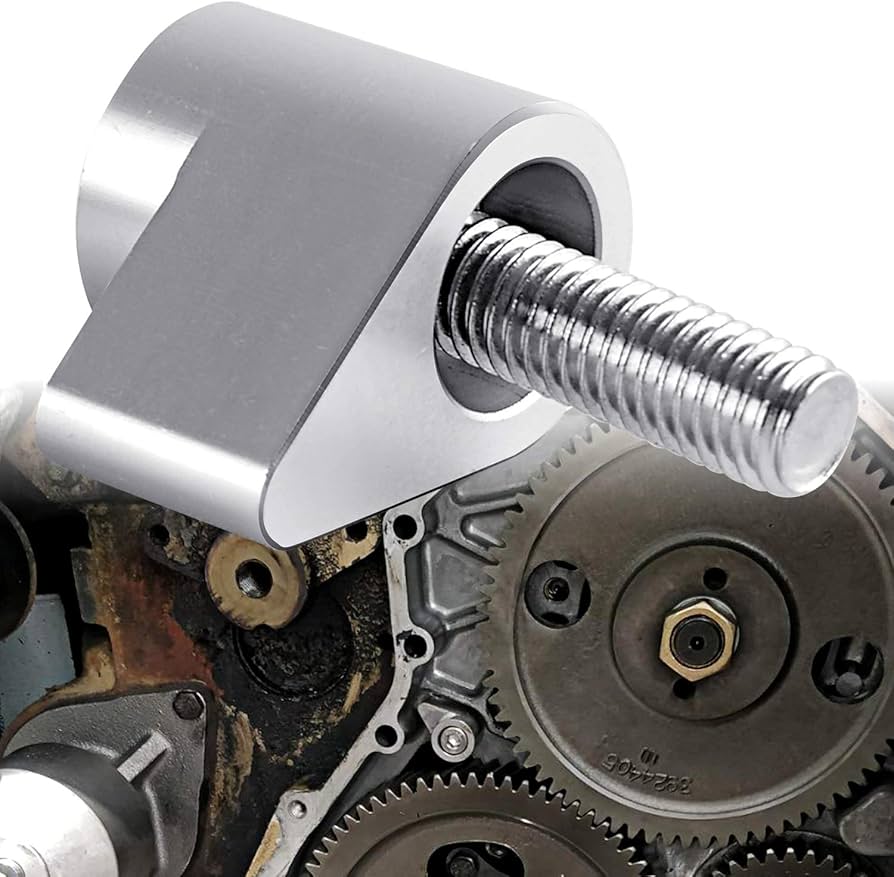
What Is the KDP?
The KDP is essentially a small steel alignment dowel pin, approximately 1/4 inch in diameter. During factory assembly, its sole purpose is to precisely align the timing gear housing. Once the housing is properly positioned and the bolts are tightened, the dowel pin has effectively completed its job and serves no further functional purpose.
However, Cummins engines generate significant mechanical vibration during operation. Over time, this constant vibration can gradually “walk” the dowel pin out of its bore. If the pin fully dislodges, it drops directly into the high-speed rotating timing gear assembly below.
The most common outcomes are catastrophic: the pin can shatter gears, puncture the aluminum timing case and cause rapid oil loss, or even cause the engine to jump timing. In severe cases, this leads to piston-to-valve contact and total engine failure.
What Year Cummins Has The Killer Dowel Pin?
For owners and prospective buyers of a 5.9L Cummins, determining whether their engine is on the “at-risk” list is critical.
The KDP issue primarily affects 5.9L Cummins engines produced between 1989 and 2002.
- 12-Valve (1989–1998): This group is the most vulnerable. Engines equipped with the P7100 injection pump exhibit vibration characteristics that significantly increase the likelihood of the dowel pin working loose.
- 24-Valve (1998.5–2002): Although Chrysler made minor revisions to the timing case cover in later models by adding small retaining tabs, numerous documented cases confirm that the dowel pin can still back out.
- It was not until 2003—when the Common Rail platform was introduced (preceding the 6.7L evolution)—that the timing housing design was re-engineered, effectively eliminating the issue.
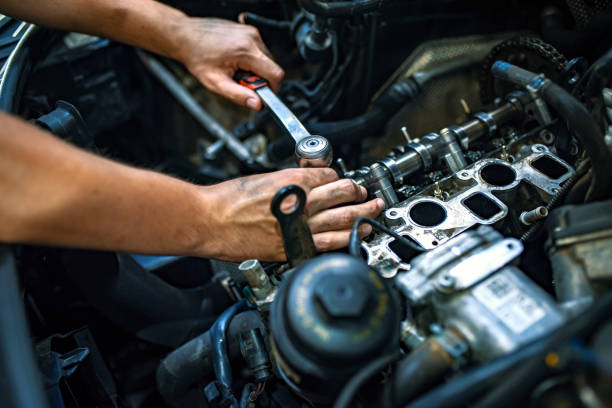
How to Permanently Fix the KDP Issue?
Unfortunately, the migration of the KDP is completely silent. Until the moment it falls into the timing gears and causes metal-to-metal impact, the engine will not produce abnormal noises, trigger dashboard warnings, or exhibit performance decline. You cannot detect the problem through driving feel or routine observation. This unpredictability is precisely why it is called the “Killer” Dowel Pin—it offers no warning, only consequences.
The good news is that although the potential damage is severe, the preventive repair is relatively inexpensive. The industry generally recognizes two primary corrective methods.
Solution A: The Tab Method (Recommended)
This is the most widely accepted and mechanically sound solution. It involves removing the timing cover and installing a custom metal retaining tab adjacent to the dowel pin bore, securing it with an existing bolt.
The concept is straightforward: if the pin can walk out, physically block it from doing so. Once the tab is installed, the dowel pin cannot migrate—period.
- Preparation:
Remove the radiator fan, shroud, and crankshaft pulley to gain access to the front timing gear cover.
- Remove the Cover:
Unbolt the timing case. At this stage, it is strongly recommended to inspect other fasteners inside the gear housing. In addition to the KDP, several 8mm bolts inside the case are known to loosen over time due to vibration. Each should be checked and secured with thread locker.
- Install the Retaining Tab:
Mount a custom Z-shaped metal tab using a nearby bolt. One end of the tab applies firm pressure against the dowel pin, preventing any possibility of movement.
- Clean and Reassemble:
Use high-quality RTV sealant and install a new front crankshaft seal before resealing and reinstalling the timing cover.
For owners with moderate mechanical skill, the entire procedure typically takes between 90 minutes and 3 hours.
Solution B: The Jig Method
This method involves precisely drilling through the exterior of the timing housing and inserting a bolt to retain the internal dowel pin. It was developed to reduce the labor associated with removing the front cover, making it attractive to those who want to avoid extensive disassembly.
However, its limitation is clear: it does not allow inspection of other internal fasteners or potential issues within the timing case.
The 5.9L Cummins remains a masterpiece of mechanical engineering. Yet even exceptional designs are not immune to flaws. The KDP is not a question of if it will happen, but rather when—a matter of probability and time.
Instead of worrying about a one-dollar pin during long hauls or heavy-duty operation, invest an afternoon to eliminate the risk permanently. It is not only an act of responsible engine ownership, but also a prudent financial decision.
If you are in search of high-quality Cummins parts or require professional KDP repair kits, our company specializes in the supply and technical support of all models of Cummins parts. Whether you need core components or maintenance advice, please feel free to contact Longshine at any time. We will provide you with the most reliable solutions.