

Trailer Mounted Generator for Construction Sites: How to Select for Emergency Backup
A trailer mounted generator is essential for construction sites, as unexpected power outages can quickly spark chaos: concrete pours halt mid-job, cranes stand idle, and emergency lights go dark, putting projects, equipment, and worker safety at risk.That’s where a trailer-mounted generator comes in: designed specifically for use on these jobsites, its mobile power solution offers unparalleled flexibility between job sites with quick deployment when grid power fails and independent power that won’t let you down. This generator serves as not just backup, but a project saver. By following this guidance, you’ll learn exactly how to choose the correct emergency power solution.
Part 1. Why a Generator on a Trailer is a Must-Have for Emergencies on Construction Sites
Construction sites can’t afford to be idle, especially when the electricity goes out without warning. A trailer mounted generator can overcome three important difficulties that fixed backup systems can’t. First, because it can move, you can shift power to the places where it is most needed, like a concrete pump on one end of the site or a temporary office on the other. Second, trailer-mounted generators for construction sites can be set up in minutes, not hours, so you can get important work done before deadlines slip. Third, they don’t depend on the grid, so storms, power outages, or grid maintenance won’t leave you stuck. Without this important instrument, even a short power loss can waste materials, push back deadlines, and raise prices. Let’s get into how to pick the best one for your site.
Part 2. Define Your Construction Site’s Emergency Power Needs
Before you buy a trailer-mounted generator, you should know exactly what you want it to do. If you skip this step, you can end up buying a generator that is too tiny (or too big) for what you need. This is how to figure out what your most important needs are.
Figure Out Your Emergency Power Load
Make a list of the must-have equipment that can’t go down during a power outage. For most building sites, this includes:
| Equipment Type | Power Range per Unit |
| Tower cranes | 20–50kW |
| Concrete pumps | 30–75kW |
| Emergency lighting (total) | 1–5kW |
| Temporary office equipment (total) | 2–10kW |
| Water pumps | 5–15kW |
Next, use a simple calculation to figure out your total power load:
Total Load = Sum of All Equipment Power × Simultaneous Coefficient
The simultaneous coefficient (0.7–0.9) takes into account that not all equipment will start at the same time. If your equipment adds up to 150kW, for instance, you can achieve 120kW by multiplying by 0.8 (a safe middle ground). This is the least amount of power output you need. Never buy a trailer-mounted generator for construction sites with a lower rating than this.
Determine How Long You Need Emergency Power
How long will the power be out? This depends on how often power goes out in your location (for example, areas that are prone to storms need longer run times) and how much fuel you can store. Think about this: What’s the longest time we’ve been without power in the past year? Try to find a trailer-mounted generator that can run for at least that long, plus some extra time. Most models have built-in gasoline tanks that hold 10 to 50 gallons, but if you need power for more than 8 hours, search for generators that can use external fuel tanks.
Match the Generator to Your Job Site Environment
Construction sites are rarely smooth or climate-controlled, so your trailer-mounted generator for construction sites needs to be able to handle anything that comes its way. This is what you should think about:
Terrain: Choose a generator with a heavy-duty trailer chassis and off-road tires (not conventional highway tires) if your site is rough or muddy. Narrow sites demand designs that are small and have tight turning radii so they may be moved easily.
Climate: In hot areas, generators need better cooling systems to keep from overheating. An IP23+ protection grade is needed in places where it rains or is humid (this keeps water out of electrical parts). Low-temperature start kits (heaters for the engine block) are needed in cold areas to make sure the engine starts reliably in freezing conditions.
part 3. Important Features to Look for in Emergency Use on Construction Sites
It’s time to look at several models of trailer-mounted generators now that you know what you need. Pay close attention to these important specs; they will make or break your experience with emergency power.
Rated vs. Standby Power
Don’t be confused; every generator has two power ratings. Use this table to clarify the key differences:
| Power Type | Definition | Use Case |
| Rated Power (Continuous) | Maximum power output for 8+ hours straight | Construction site emergencies (long runs) |
| Standby Power (Emergency) | Temporary boost (10–20% higher than rated) for 1–2 hours max | Short outages only (not extended use) |
Example: If your total calculated load is 120kW, you should choose a trailer-mounted generator for construction sites with a rated capacity of 150kW. This will give you a 20% buffer for sudden surges, as when a crane begins. If you buy a generator that has 120kW of standby power but only 100kW of rated power, it will overheat and shut down during protracted outages.
Mobility and Deployment Speed
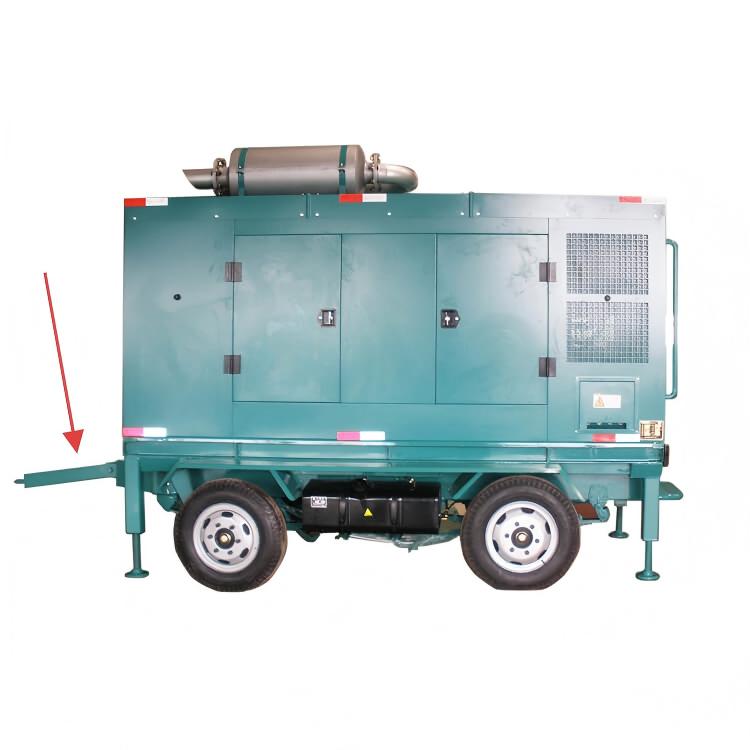
You need your trailer-mounted generator for construction sites to start working quickly when the power goes out. Check for these key features:
Hydraulic Stabilizer Legs: Keep the generator steady while running, preventing wobble when heavy equipment starts.
Universal Tow Hitch: Works with your site’s existing trucks/tractors (no special adapters needed).
Electric Start: Push-button activation saves critical time; always choose models with manual backup (for dead batteries).
Remote Start (Optional): Start the generator from the office for unmanned areas (e.g., material storage yards).
Safety & Compliance
A trailer-mounted generator is strong, and safety features are a must. Check for these essential protections:
- Overload protection (shuts down the generator if overloaded)
- Short-circuit protection (prevents electrical fires)
- Low oil pressure alarm (avoids engine damage)
- Spark arrestors (required on most sites to prevent wildfires)
Also, make sure the generator follows local safety standards:
- U.S.: Compliance with OSHA and EPA regulations
- Europe: CE certification
Non-compliant generators could shut down your site during inspections.
Part 4. Common Mistakes to Avoid
Don’t allow these mistakes cost you, even if your construction team is experienced.
| Common Pitfall | Consequence | How to Avoid |
| Focusing only on standby power (ignoring rated) | Overheating/shutdowns during long outages (e.g., mid-concrete pour) | Base purchase on rated power (not standby power) |
| Ignoring site environment compatibility | Stuck generators (muddy/rocky terrain) or short circuits (rainy areas) | Match generator to terrain (off-road tires) and climate (IP23+ protection) |
| Forgetting maintenance & service access | Delayed repairs (hard-to-find parts for niche brands) | Choose reputable brands ( e.g., Cummins) |
Part 5. How to Keep Your Trailer-Mounted Generator in Good Shape for Emergency Use
A trailer-mounted generator is only beneficial if it operates when you need it. To maintain it in great shape, follow these easy maintenance measures:
Regular Testing
Run your generator for 10–15 minutes once a week (no load) to keep the engine oiled and the battery charged. This fast inspection helps find tiny problems before they turn into emergency failures.
Stock Up on Essentials
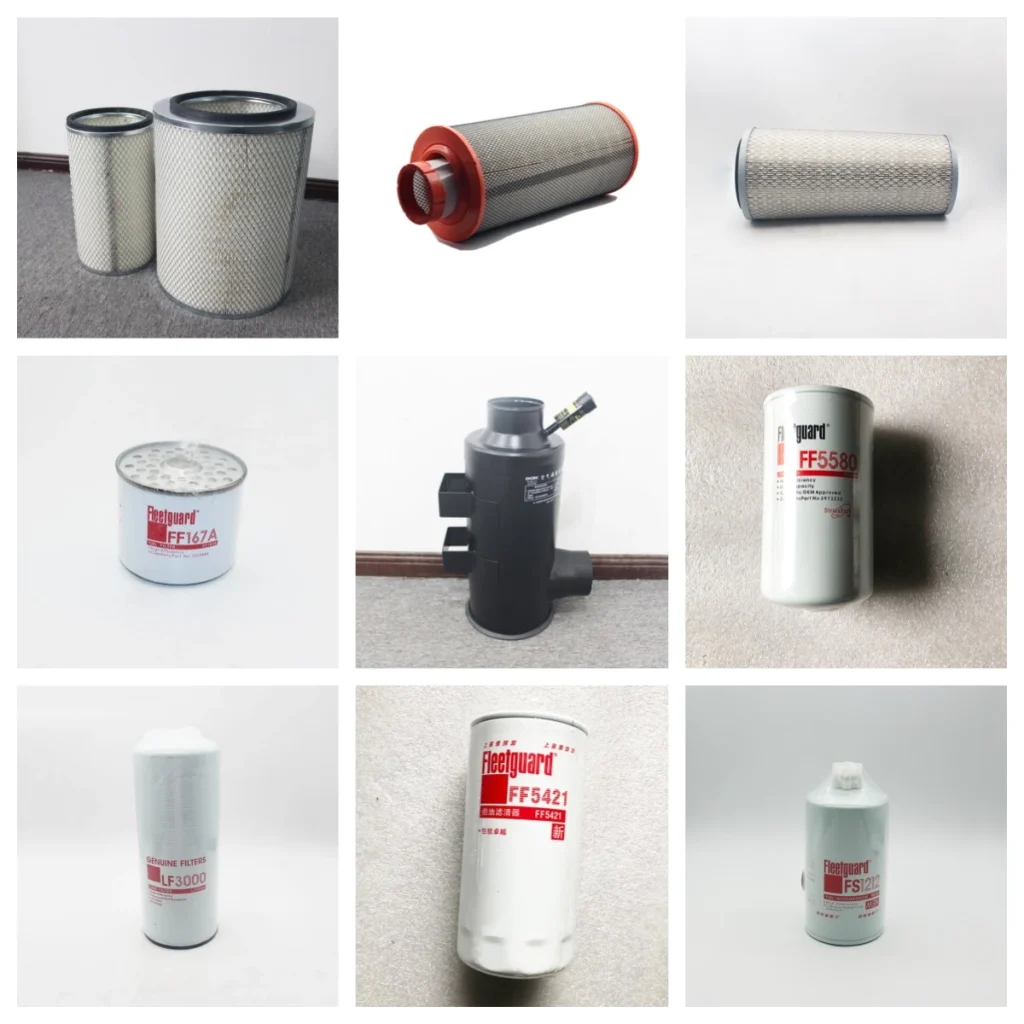
Keep extra engine oil, air filters, and a backup battery on hand. Having these basics means you can address minor maintenance tasks without delays.
Train Your Team
Teach key staff (electricians, foremen) how to start and troubleshoot the generator. A quick run-through of emergency procedures avoids costly mistakes when time is critical.
Final Thoughts
A high-quality trailer mounted generator for construction sites isn’t just an extra expense—it’s a strategic investment in your project’s continuity and safety. Pair this with simple, consistent maintenance and team training, and your trailer mounted generator becomes an indispensable asset—one that minimizes downtime, protects your equipment and materials, and keeps your team safe during emergencies. For construction sites where every minute counts, choosing the right emergency generator isn’t just smart—it’s essential.