
Why the Cummins QSB6.7 is Prone to Dropped Valve Seats?
The Cummins QSB6.7 is widely regarded as a workhorse in the industrial, marine, and agricultural sectors. Known for its power density and efficiency, it is the engine of choice for many heavy-duty applications. However, even the most reliable engines have their Achilles’ heel.
For many QSB6.7 owners, this is not only a maintenance project, but also a disaster that may lead to the scrapping of the engine. This article will take you deep into the underlying causes of this malfunction, its early signs, and how to avoid huge losses through scientific maintenance.
What Exactly is a Dropped Valve Seat?
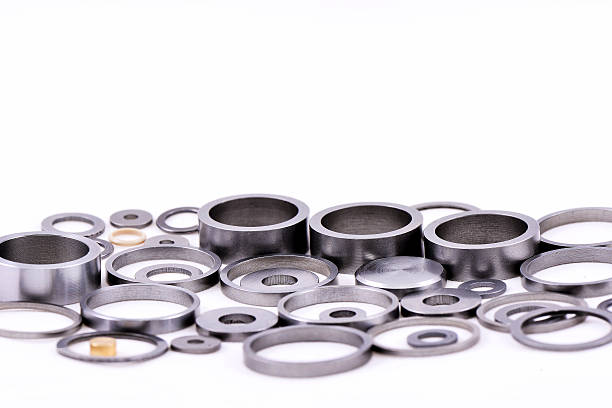
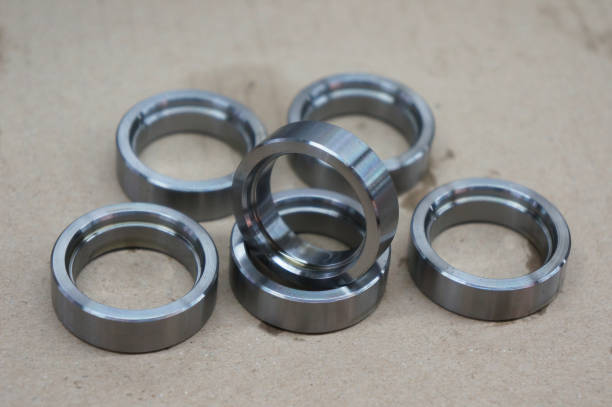
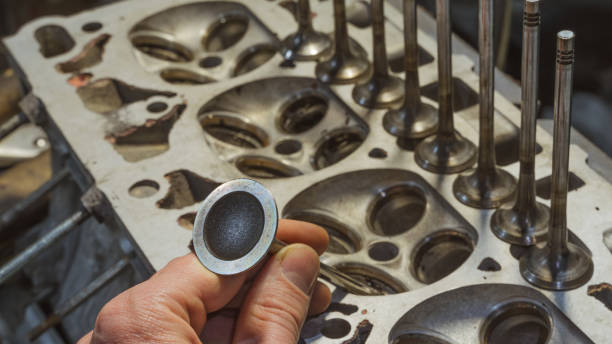
To understand the failure, we first need to look at how the cylinder head is constructed. The valve seat is a hardened metal ring pressed into the cylinder head. Its job is to provide a durable, heat-resistant surface for the intake and exhaust valves to seal against thousands of times per minute.
These seats are held in place by what engineers call an interference fit. This means the seat is slightly larger than the hole it sits in, and it is pressed in with extreme force. Under normal conditions, the seat stays put. But when the delicate balance of temperature and pressure is disrupted, the seat can loosen and fall into the combustion chamber.
Why Is Cummins QSB6.7 More Prone To Dropped Valve Seats?
While valve seat failure can happen to any diesel engine, the QSB6.7 has specific operational factors that make it more susceptible:
1. Extreme Thermal Cycling
Unlike a highway truck that maintains a steady temperature for hours, QSB6.7 engines in excavators or tractors often face rapid “load and unload” cycles. This causes the metal in the cylinder head to expand and contract repeatedly. Over time, these thermal cycles can fatigue the metal surrounding the seat, causing the interference fit to lose its grip.
2. Overheating and Cooling System Neglect
The QSB6.7 generates a significant amount of heat. If the cooling system is not 100% efficient—perhaps due to a clogged radiator or an aging water pump—the cylinder head temperature can spike. High heat causes the aluminum or cast iron head to expand more than the valve seat itself, allowing the seat to literally drop out of its pocket.
3. High Performance in a Small Package
Because the 6.7L displacement is pushed to produce high horsepower and torque, the internal pressures are immense. This puts additional stress on the cylinder head architecture, leaving less margin for error when it comes to component tolerances.
Warning Signs You Shouldn’t Ignore
What makes a dropped valve seat so devastating is not the seat itself, but the chain reaction that follows.
Once the metal ring falls into the cylinder, it is immediately struck by the piston. Because the seat is made of hardened material, it doesn’t just bend—it breaks into shards. These fragments can:
- Puncture or shatter the piston.
- Score the cylinder liner.
- Destroy the cylinder head valves.
- Exit through the exhaust and destroy the turbocharger’s internal blades.
In many cases, what starts as a failed $50 part results in a bill for a completely new long-block engine.
While this failure can be sudden, there are often subtle clues that the engine is struggling before the disaster occurs:
- Ticking or Clicking Noises: A slight change in the engine’s rhythmic sound can indicate a valve seat that has started to shift or a valve that isn’t seating perfectly.
- Rough Idling: If the engine feels unbalanced or vibrates excessively at idle, it could be a sign of compression loss in one cylinder.
- Hard Starting: Difficulty starting when the engine is cold can sometimes be traced back to early-stage valve seat issues affecting combustion.
- Excessive Smoke: Unexplained black or blue smoke can indicate that the valves are no longer sealing the combustion chamber correctly.
How To Prevent The Valve Seat Rings Of Dropping?
You cannot completely eliminate the risk, but you can significantly lower the odds of failure with these practices:
- Enforce a Cool-Down Period: Never shut down a QSB6.7 immediately after a high-load Task. Let the engine idle for 3 to 5 minutes to allow the coolant to stabilize the cylinder head temperature.
- Maintain the Cooling System: Flush your coolant according to the manufacturer’s schedule and ensure the radiator is free of debris. A cool engine is a safe engine.
- Monitor Exhaust Gas Temperatures (EGT): If your equipment allows, monitor your EGTs. Sustained high temperatures are a leading indicator of impending seat failure.
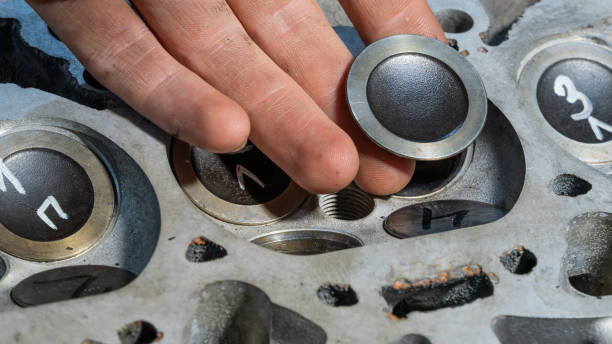
- Use High-Quality Replacement Parts: If you are performing a mid-life overhaul, ensure the cylinder head is inspected by a specialist who understands the specific overfill tolerances required for the QSB6.7.
Conclusion
The problem of Cummins QSB6.7 dropped valve seats is neither accidental nor unavoidable. It stems from the superimposed result of specific design conditions and actual working conditions. By understanding its occurrence mechanism and taking targeted measures in operation, maintenance and component selection, users can significantly reduce this risk.
If the engine has already shown abnormal noises or changes in its operating status, stopping the machine in time for inspection is often a crucial step to avoid greater losses.Are you currently hearing an unusual noise from your QSB6.7, or are you planning a preventative top-end overhaul? Let us know, and we can help you find the right high-strength replacement components.