
Diesel Generator Fuel System Fix: Check Pump, Regulator, Injectors First
Have you ever had your diesel generator stop working while you were using it, like when the electricity goes out and you need it the most? Or does it sputter like it’s trying to breathe? You don’t have to take everything apart to fix it. The key to quickly fixing a diesel generator’s fuel system is to first focus on three parts: the fuel pump, the pressure regulator, and the injectors. You don’t need to worry about these three things because they create most fuel-related problems. No need for professional talents; let’s break things down easily.
Part 1. Spot the Signs You Need a Fuel System Fix
Check to see whether the problem is with the fuel before getting tools. Here are the warning signs that say, “Time to fix the diesel generator fuel system”:
It won’t start or is hard to start. You turn the key and it cranks, but nothing occurs.
When the engine is idling, it rattles, sputters, or shuts off when it should run smoothly.
Black smoke (too much fuel) or white smoke (unburned fuel) coming from the exhaust is a sure sign.
It works perfectly when it’s empty, but it dies when you plug in tools or the AC.
If you see any of them, don’t try to guess what they are. Start with the pump, regulator, and injectors. This gets right to the point and speeds up the process of fixing the diesel generator fuel system.
Part 2. Quick Fuel System Basics
To nail your diesel generator fuel system fix, you just need to know how fuel moves through the generator. It’s simple:
Fuel pulls from the tank → 2. Fuel pump pushes it with pressure → 3. Regulator keeps pressure steady → 4. Injectors spray fuel into the engine → 5. Engine burns it for power.
Each part has a job—if one fails, the whole system breaks. Here’s what you need to know:
Key Components of Diesel Generator Fuel System
| Component | Figurative Name | Core Function Description |
| Fuel Pump | The “heart” | Sucks fuel from the tank and delivers it to the engine with sufficient pressure. |
| Pressure Regulator | The “traffic cop” | Maintains stable fuel pressure; prevents overpressure (part damage) or underpressure (engine fuel starvation). |
| Injectors | The “sprayers” | Converts liquid diesel into a fine mist for full combustion; sprays at the right time. |
Part 3. Step-By-Step Fix
Step 1 – Check the Fuel Pump
The gasoline pump is frequently the first thing to blame. If it doesn’t operate, your generator doesn’t get any fuel. It’s that easy.

How to Know the Pump Is the Problem
- The generator cranks normally but won’t start since it isn’t getting any fuel.
- To get it going, you have to “prime” the fuel line (push a lever) several times.
- Low pressure suggests that the return line doesn’t have enough fuel or none at all.
Simple Pump Checks
Bleed air out of lines: Air stops the flow of fuel. Find the “bleed screw” on the pump or filter and slowly open it until you observe consistent gasoline (no bubbles). Then, close it tightly.
Look at the filter and hoses: Fuel stops when the filter is blocked or the hose is kinked. Take out the filter. If it’s unclean (black or sticky), get a new one. Look for cracks or bends in the hoses.
Test pressure : Get a cheap fuel pressure gauge online . Connect to the pump’s output and make sure the reading matches what your manual says (most need 5–15 PSI). A weak pump means low pressure.
Step 2 – Check the Pressure Regulator
If the pump works but the pressure is wrong, the regulator is to blame. No power if the pressure is too low; wasted fuel and smoke if it’s too high.
Signs that the regulator isn’t working right
- Low pressure: When you add power, the engine sputters, speeds up slowly, or turns off.
- High pressure can cause black smoke, increased fuel expenses, or fuel leaks from the injectors.
Easy Tests for Regulators
Again, use the pressure gauge: After the regulator, connect it to the line that goes to the injectors. Check the pressure when the engine is running and when it’s not. It should match what’s in your manual (for example, 3–8 PSI when the engine is not running).
Look at the return line: A return line transfers surplus gasoline back to the tank through the regulator. If it’s unclean, kinked, or clogged, the pressure increases up. Unplug it. If fuel shoots out, the line was blocked.
Simple fixes for the regulator
Blocked return line: Use diesel to clean or replace if it is cracked.
Parts that are worn: If you can take the regulator apart (see in the manual), use a soft brush to clean the spring and valve. Parts that are rusty or broken? Change the whole regulator; they’re inexpensive and easy to switch out.
Step 3 – Check the Injectors
Injectors turn fuel into a mist. If they are clogged or leaking, the fuel won’t burn properly. This makes things tremble, smoke, and not work well.
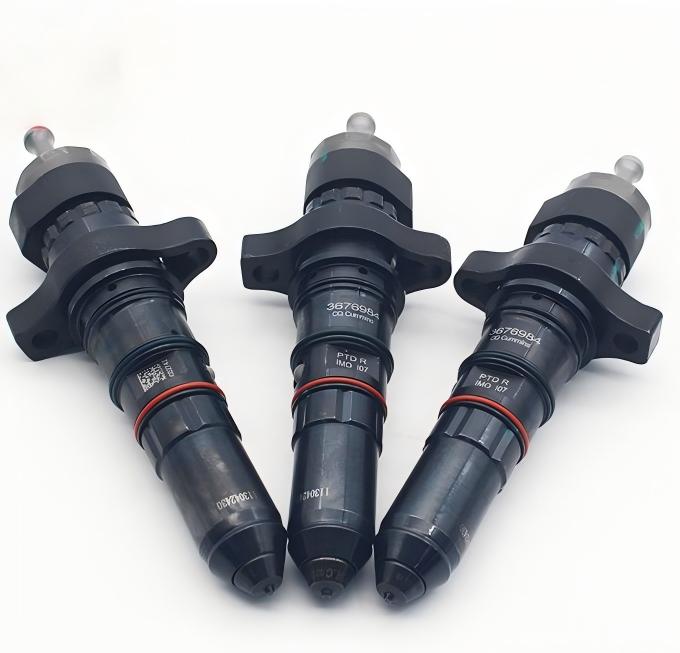
How to Find Bad Injectors
- The engine shakes a lot because one or more of the injectors aren’t working, which means there are “dead cylinders.”
- If you see white or black smoke, it means that the injector is leaking (unburned fuel) or stuck open (too much fuel).
- Loud knocking means that the fuel isn’t breaking up into little pieces; instead, it explodes instead of burning smoothly.
Fast Injector Checks
“Kill test” for cylinders that are dead: Get the generator going. Take out the fuel line from each injector one at a time (wear gloves!). That injector is dead if the engine runs the same way. That one was working if it gets worse.
Look for leaks: Check the base of the injector, which is where it attaches to the engine. Leak = wet fuel.
If you take out the injectors, the spray pattern is: Take off the injector, hook it up to a fuel line, and pull the trigger. Good injectors spray a fine mist, while bad ones leak or stream.
Fixes for Injectors
If your injectors are clogged, put diesel injector cleaner in the tank. Run the generator for 30 minutes to clear up small obstructions.
Replace leaking or dead injectors. If you wish to perform repairs, you can refer to the repair tutorial:
Part 4. Small Fixes That Mimic Fuel System Issues
These simple inspections are important for fixing the fuel system of a diesel generator, but the pump, regulator, and injectors are the most important.
Bad diesel: Old or watered-down fuel makes parts stick together. If the tank seems hazy, empty it and fill it with new diesel.
clogged tank vent: If the vent is clogged, the tank can’t “breathe,” which means that fuel won’t flow. Use a little wire to clean it or get a new one.
Problems with electricity (newer generators): ECUs (computers) can fool you; malfunctioning sensors can make it look like there are fuel problems. First, check the fuses. If that doesn’t work, call a pro.
Final Tips
What is the secret to saving time and money? First, look at the pump, the regulator, and the injectors. These parts are what makes the fuel system work. Most of the time, fixing them fixes the problem. Keep your handbook close by, use clean diesel, and service your car on time.A little fix today will keep a huge breakdown from happening tomorrow!
FAQ
Q1: My generator starts up fine when it’s cold, but it dies when it’s warm. What could be wrong?
A: It’s probably a faulty fuel pump (heat makes it weaker) or a clogged injector. Check the pump pressure first.
Q2: After I change the pump or injectors, do I need to change anything else?
A: Most parts are “plug-and-play,” but you should use a gauge to verify the pressure and make sure it matches your handbook. If you need to, change the regulator.
Q3: How often should I take care of these parts?
A: Change the filters every 50 to 100 hours, apply injector cleaner every six months, and check the pump pressure once a year.
Q4: Can I fix this myself, or do I need to call a professional?
A: It’s easy to do basic inspections like bleeding lines and changing filters. Call a pro for pump repairs or ECUs; mistakes can break generators.